
 News Edition
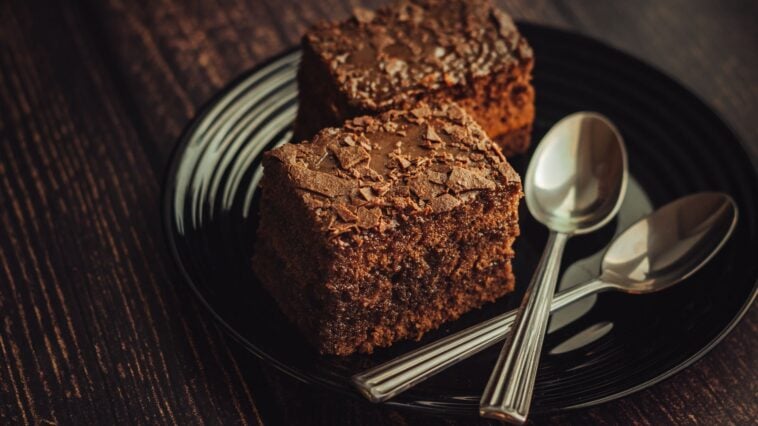
Almost everyone has a favorite brownie style. Some people prefer a thick, cake-like texture that pairs perfectly with a cup of coffee, while others want a dense, fudgy square that practically melts in their mouth. The beauty of baking at home is that you’re in complete control of the outcome. You don’t have to settle for whatever comes out of a standard box mix. With a few simple adjustments to your everyday ingredients, you can easily customize the texture and flavor to match exactly what you are craving. Whether you’re prepping a dessert for a potluck or just want to whip up some delicious baked goods for a weekend treat, understanding the fundamental science of baking will change the way you approach your kitchen routine forever.
Butter vs. Oil
Fat is the primary ingredient responsible for the richness and mouthfeel of your dessert. When a recipe calls for oil, you’re typically going to get a very moist, soft crumb. Oil remains liquid at room temperature, which translates to a softer bite even after the pan cools down completely.
On the other hand, butter provides a rich, complex flavor that oil simply cannot match. Because butter is a solid at room temperature, it yields a slightly firmer texture once cooled. If you want the absolute best of both worlds—maximum flavor and a chewy center—try melting your butter first. According to baking experts, melting your butter and sugar together before adding your eggs minimizes the amount of air incorporated into the batter, which is the secret to achieving that coveted, ultra-dense, fudgy center.
Flour and How It Connects
Flour acts as the structural backbone of your batter. The amount of flour you use directly dictates whether your dessert leans toward a fluffy cake or a heavy fudge. If you prefer a lighter, more cake-like texture, you need a slightly higher ratio of flour. The starches in the flour absorb the liquids and build a sturdy web that holds onto air pockets created during baking.
Conversely, if you want a gooey, dense result, you need to hold back on the flour. Using too little flour can cause the batter to collapse into a greasy puddle, but just enough will bind the fats and sugars together without creating a spongy crumb. Reducing your flour by just a couple of tablespoons can dramatically increase the overall chewiness of your favorite recipe.
Cocoa Powder vs. Melted Chocolate
The type of chocolate you choose also plays a massive role in the physical structure of your dessert. Cocoa powder acts similarly to flour in a recipe. It absorbs a significant amount of moisture. If you swap melted chocolate for cocoa powder without adjusting your fats, your pan might come out dry and crumbly. However, cocoa powder delivers an incredibly intense chocolate flavor because it has a higher concentration of cocoa solids.
Melted chocolate introduces additional fat through cocoa butter, which amps up the gooey factor. Increasing fatty ingredients like chocolate and butter is the most reliable way to boost the gooey, melt-in-your-mouth quality of your squares. For a truly perfect pan, try using a combination of both: melted dark chocolate for texture and a spoonful of high-quality Dutch-process cocoa powder to deepen the flavor profile.
Eggs as the Ultimate Binder
Eggs do a lot of heavy lifting behind the scenes. They provide moisture, structure, and emulsification, which is just a fancy way of saying they force the water and fat in your batter to play nicely together. If you want a cakier result, adding an extra egg will introduce more liquid and protein, which helps the batter rise and hold its shape.
If you want a tighter, fudgier bite, stick to the exact number of eggs called for, or even swap one whole egg for an extra yolk. The extra fat from the yolk adds richness without the extra moisture from the white.
Nailing the Perfect Bake
The oven is where all your careful preparation pays off, but it’s also where things can easily go wrong. Always use a light-colored metal pan rather than glass or ceramic. Metal conducts heat evenly, ensuring the center cooks at the same rate as the edges. Glass pans tend to hold onto heat for too long, which often leads to overbaked, dry corners.
Keep a close eye on the clock and pull the pan from the oven the moment a toothpick inserted into the center comes out with a few moist crumbs attached. It is always better to slightly underbake than to overbake. The residual heat in the pan will finish the job as it cools on your counter, leaving you with the absolutely perfect square.