
 News Edition
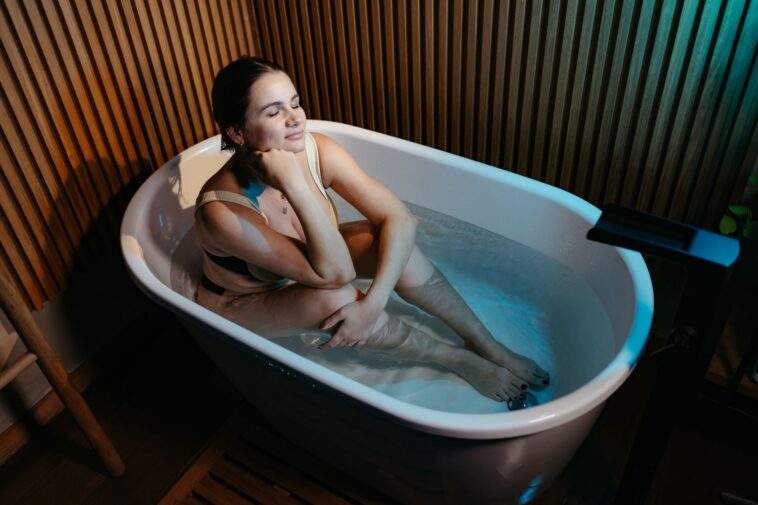
You’ve probably seen the videos by now. Someone steps into a tub of ice water, takes a deep breath, and tries to keep their composure while the temperature shocks their system. It looks intense, maybe even a little crazy, but the practice of immersing yourself in frigid water is far from just a fleeting social media trend. Taking a cold plunge is a practice rooted in ancient traditions, now backed by modern science for its profound impact on the human body and mind. Whether you’re an athlete looking to speed up physical recovery, or just someone trying to build mental resilience before a stressful workday, understanding the mechanics of how this works might finally convince you to turn the temperature dial all the way down.
What Exactly Happens to Your Body?
At its core, this practice involves submerging your body (usually up to your chest or neck) in water that ranges from 38 to 59 degrees Fahrenheit. When you enter water this cold, your body undergoes an immediate and drastic physiological shift. Blood vessels constrict rapidly in your arms and legs, a survival mechanism designed to pull blood away from your extremities and push it toward your vital organs to maintain your core temperature.
This acute stress response activates your sympathetic nervous system, triggering a surge of adrenaline and noradrenaline. This sudden cold exposure shocks the system in a controlled way, essentially training your vascular system to handle physical stress more efficiently over time. Once you step out of the water and begin to warm up, those same blood vessels dilate rapidly, flushing fresh, highly oxygenated blood back through your muscles and connective tissues.
The Physical Recovery Advantage
The most common reason people subject themselves to freezing water is for the physical benefits, particularly regarding athletic recovery. High-intensity exercise tears muscle fibers and causes localized inflammation. While some degree of inflammation is necessary to trigger muscle growth, prolonged swelling can lead to severe soreness and significantly delayed recovery times. The cold temperature acts as a powerful, systemic anti-inflammatory agent.
By forcing the blood vessels to constrict during the plunge and subsequently dilate upon exiting, the body pumps out metabolic waste products like lactic acid that accumulate during a heavy workout. This flushing process significantly reduces delayed onset muscle soreness. Medical literature consistently demonstrates that cold water immersion is highly effective at reducing muscle stiffness and perceived fatigue in the days immediately following strenuous physical activity.
Building the Mental Edge
Beyond the obvious physical recovery, the mental and emotional benefits are driving everyday people to embrace the freeze. Submerging yourself in icy water forces you to control your breath and calm your mind in the face of immediate physical discomfort. It requires immense willpower to stay in the water when every survival instinct in your brain is telling you to get out immediately.
Doing this consistently builds a level of psychological resilience that easily translates to handling everyday life stressors. When you can control your panic response in freezing water, dealing with a tough meeting or a stressful commute suddenly feels much more manageable. Additionally, the cold exposure triggers a massive release of dopamine, the neurotransmitter responsible for mood, motivation, and focus. This dopamine spike can elevate your mood and increase your baseline dopamine levels for several hours after you dry off, leaving you feeling sharp, alert, and surprisingly energized throughout the rest of your day.
How to Start Safely
If you’re ready to give it a try, you don’t need to start with a tub full of ice blocks. Start simply by turning your daily shower to cold for the last 30 to 60 seconds. Focus entirely on taking slow, controlled breaths to manage the initial shock. Once you can comfortably tolerate that daily, you can move on to dedicated tubs or baths.
The goal is to reach water temperatures around 50 degrees Fahrenheit. You only need two to three minutes of exposure to reap the maximum benefits. Staying in longer doesn’t necessarily multiply the positive effects and can actually increase the risk of hypothermia. Always listen to your body, never push past the point of numbness, and make sure you have a warm towel and dry clothes ready for when you step out.
Taking the Leap
Stepping into freezing water will always be a shock to the system, but that’s entirely the point of the practice. By willingly subjecting yourself to brief, controlled physical stress, you actively train your body and mind to bounce back stronger. It takes a bit of courage to take that first step into the water, but the surge of natural energy, accelerated physical recovery, and lasting mental clarity waiting on the other side make the initial chill completely worthwhile.