
 Adam Torkildson
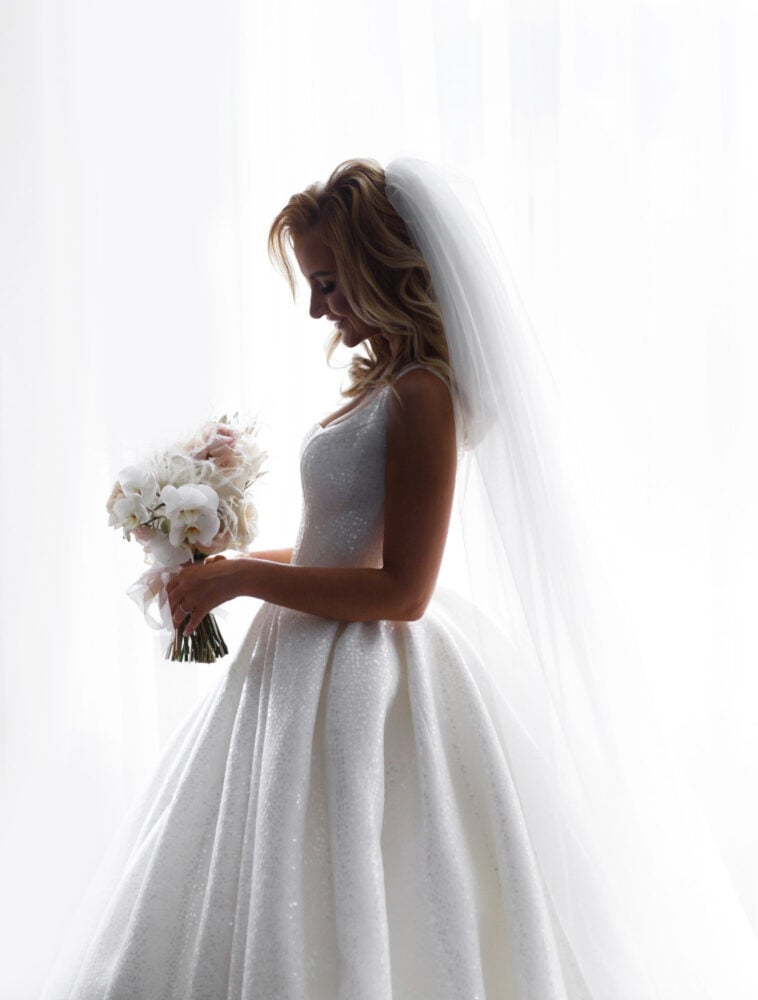
Finding your perfect wedding dress is an exciting part of planning your big day. With so many styles, silhouettes, fabrics, and details to consider, it helps to know what suits your personal taste, body shape, and wedding theme.
This guide covers how to choose a dress that fits your budget, timeline, and comfort while making you feel confident and beautiful.
Define Your Personal Style
Choosing a wedding dress starts with knowing your personal style and how it fits your big day. Keep reading to learn more.
Decide if your style is classic, romantic, modern, bohemian, or glamorous.
Start by thinking about your personal style. A classic bridal gown has clean lines and timeless charm. Romantic styles use soft fabrics, lace, and delicate details. Modern wedding attire features sleek shapes and bold cuts. Bohemian looks include flowy fabrics and earthy vibes. Glamorous dresses shine with sparkle, beads, or rich textures.
Match your dress style to the setting of your wedding day. If your venue is a formal hall, ball gowns fit well for glamour and elegance. Outdoor weddings suit light bohemian or romantic dresses better. Keep fabric selection in mind; some materials match certain themes better than others.
Match your dress style to your wedding theme and venue.
Choose a bridal gown that fits your wedding theme. For a beach venue, pick light fabrics and simple cuts. A formal ballroom calls for elegant ball gowns or luxe fabrics. Outdoor garden weddings look great with romantic or bohemian dress styles.
Consider the venue’s atmosphere and style guide when selecting your wedding attire. Match fabric selection and accessory coordination to suit the setting. This helps your dress feel just right on the big day.
Next, learn about different silhouettes to find one that flatters your body shape well.
Understand Silhouettes and Body Shapes
Learn how different dress shapes can highlight your best features and fit your body perfectly. Read on to find out more.
A-line dresses for versatility and universal flattery.
A-line dresses suit almost every body type. The shape gently flares out from the waist, creating a balanced look. This style highlights your waist while softening hips and thighs. Many brides pick A-line gowns for this flattering fit.
This bridal gown style fits both casual and formal weddings well. It works with different fabric selections like lace or satin, making it easy to match your wedding attire theme. A-line dresses offer comfort during dress fitting and move freely on any dance floor.
Ball gowns for formal settings and dramatic elegance.
Ball gowns create a grand and royal look. They have a fitted top and a very full skirt that flows out wide. This style suits formal weddings in big venues, like ballrooms or castles. The dress shows elegance with its classic shape and often uses rich fabrics like satin or tulle.
Choosing a ball gown helps you feel like royalty on your special day. It works well if you want dramatic wedding attire that stands out. After picking your silhouette, set a practical budget to keep all costs in check.
Mermaid dresses to highlight curves and create a bold look.
Mermaid dresses hug your body from the chest to the knee. Then, they flare out at the bottom. This silhouette shows off curves and adds drama to your bridal gown. The fitted shape works well for brides who want bold wedding attire.
Choosing fabric matters for dress fitting and comfort. Stretchy materials can help with movement in a tight mermaid dress. Accessory coordination should keep the focus on the elegant shape, so simple veils or jewelry work best with this style guide.
Set a Practical Budget
Set a clear budget for your bridal gown and all related costs. Plan ahead to cover surprises without stress.
Include dress cost, alterations, accessories, and preservation.
Wedding attire costs more than just the gown price. Plan for alterations to get the perfect fit. These may include hemming, taking in, or adjusting sleeves. Accessories like veils, shoes, and jewelry increase your overall budget. Some brides spend 10% to 20% of their dress price on accessories.
Preserving your bridal gown helps keep it in good shape after the big day. Professional cleaning and packaging can cost from $200 to $400. Including these expenses early prevents surprises later and helps ensure your wedding dress stays beautiful for years.
Plan for unexpected expenses.
Include costs like dress price, alterations, accessories, and preservation in your budget. These are the main parts of wedding attire expense.
Set aside extra money for surprises that may come up later. Alteration needs might change as dress fittings progress. Accessory choices could add little costs too. Fabric issues or last-minute repairs can increase spending as well. Having backup funds helps avoid stress during the process.
Time Your Shopping Perfectly
Start your wedding dress shopping early to avoid stress. Book your fittings ahead to ensure plenty of time for changes.
Start shopping 9 to 12 months before the wedding.
Begin looking for your bridal gown about nine to twelve months before your wedding day. This gives you enough time to explore different wedding attire styles and fabrics without rushing. Brides looking for wedding dresses in Indianapolis often book their first boutique appointments in this window to try on several silhouettes before deciding. Many dresses need alterations, so booking dress fitting appointments early helps prevent last-minute stress.
Shopping this early also allows room for choosing the perfect veil option and coordinating accessories with ease. Planning ahead fits well with budget considerations, since you can spread out costs like preservation or extra touches over several months.
Schedule fittings in advance.
Start shopping 9 to 12 months before the wedding to give yourself plenty of time. Schedule fittings in advance so your bridal gown fits perfectly on your big day. Book appointments early; many bridal shops get busy as the wedding date nears. Dress fitting sessions help adjust fabric, seams, and length for comfort and style.
Plan for several fittings as your body might change leading up to the wedding. Bring accessories like veils or shoes to each fitting to see how they work with the dress. This also lets you coordinate all parts of your wedding attire smoothly. Early scheduling avoids last-minute stress with alterations and ensures you look amazing at your ceremony.
Trust Your Instincts
Go with the dress that feels right in your heart and on your body. Your comfort and joy matter most when picking wedding attire.
Choose what feels right emotionally and physically.
Choose a bridal gown that feels good on your body and lifts your mood. Focus on fabrics that are soft and comfortable, so you can move easily during your wedding day. The right dress fitting helps avoid discomfort and lets you enjoy every moment.
Listen to how you feel wearing the dress. If it makes you happy and confident, it matches your personal style perfectly. Your wedding attire should reflect who you are inside; this emotional connection is as important as the look itself.
Conclusion
Finding your perfect wedding dress is about feeling great inside and out. Think of your style, body shape, and the wedding setting. Plan your budget well to avoid surprises. Start early and make time for dress fittings.
Let your heart guide you to the dress that feels just right.