
 Adam Torkildson
Discovering the Kerama Islands Underwater
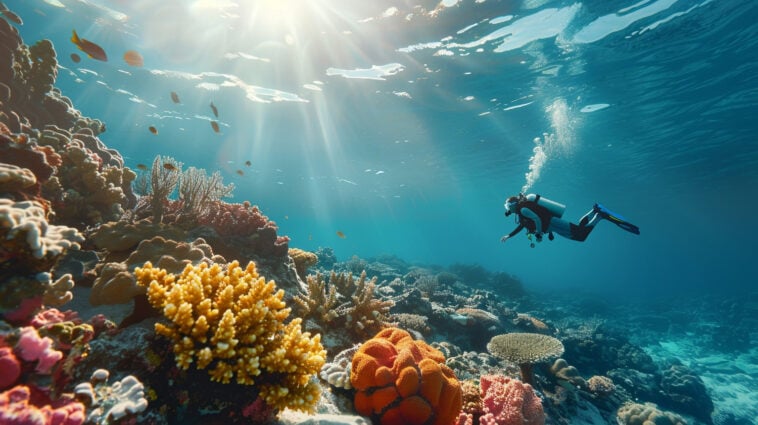
Many people want to explore the underwater world but don’t know where to start. The Kerama Islands have some of the clearest water and most colorful coral reefs in Japan. This blog will show you the best spots for snorkeling and diving, plus what marine life you can see there.
Keep reading to find your next adventure under the sea!
Marine Life in the Kerama Islands
The Kerama Islands host a wide variety of sea creatures that thrive among colorful coral reefs. Many visitors are amazed by the vibrant underwater world waiting to be explored here.
Diverse coral species and vibrant reefs
Coral reefs around the Kerama Islands show many bright colors and shapes. These reefs hold over 200 types of coral. Some corals are hard while others are soft. They create homes for fish, crabs, and starfish. The water stays clear most of the year. This lets sunlight reach deeper down to help corals grow.
Reefs here face few threats because locals protect them carefully. Strong currents bring nutrients that keep the coral healthy. Small fish dart through branches while bigger ones swim nearby.
Snorkelers and divers often spot schools of tiny fish hiding in colorful coral walls. These lively scenes make exploring underwater an exciting adventure.
Sea turtles: Green, hawksbill, and loggerhead
Green sea turtles swim slowly through the clear waters of the Kerama Islands. They eat mostly seagrass and algae found on the seabed. Hawksbill turtles have sharp, pointed beaks that help them reach food inside coral reefs.
These turtles feed on sponges and small invertebrates, keeping the reef healthy. Loggerhead turtles are larger, with strong jaws to crush shells of crabs and other prey.
These three species of sea turtles add vibrant life to the marine ecosystem around these islands. Divers often spot them resting or gliding near coral reefs during exploration trips.
Seeing these creatures up close provides a unique wildlife experience underwater. The next popular dive sites offer the chance to explore colorful coral formations and underwater landscapes rich with marine life.
Seasonal appearances of humpback whales and manta rays
Humpback whales pass through the Kerama Islands between January and April. They travel here to breed and give birth in warm waters. Visitors can often see these large mammals breaching and singing near the surface.
Manta rays appear mainly from June to October. These gentle giants glide close to coral reefs, feeding on plankton. Divers enjoy watching their slow, graceful movements against vibrant reef backgrounds.
Both species add exciting moments to underwater exploration around the islands.
Popular Dive and Snorkeling Sites
The Kerama Islands offer many spots that attract snorkelers and divers of all levels. Each site has its own charm, filled with colorful life and clear waters.
Ariga Cable and Nozaki for coral exploration
Ariga Cable and Nozaki offer excellent spots for coral exploration. Divers find a wide variety of colorful corals here. The reefs are healthy and full of life, creating a scenic underwater world. These two sites are often included in Kerama Islands diving trips because they suit both beginners and experienced divers on the same boat.
Snorkelers enjoy clear visibility to see the vibrant ecosystem up close. These sites provide adventure for those who love marine life and coral reefs.
Dragon Lady for caves and wrecks
Dragon Lady is a top spot for exploring caves and wrecks around the Kerama Islands. Divers can find hidden underwater caves filled with colorful coral reefs. The site also has sunken ships that serve as homes for many fish species. Clear water gives great visibility, making it easy to see marine life up close.
The strong currents add a bit of a challenge but also bring in reef sharks and other sea creatures. This place offers a real adventure for those who love underwater exploration. Swim-through caves create exciting pathways under the seabed, perfect for diving excitement.
Touma No. 2 for macro photography and vibrant marine life
Touma No. 2 offers a rich scene for macro photography with many small creatures to spot. Colorful nudibranchs, tiny shrimps, and unique sea slugs live among the coral reefs here. Photographers find great opportunities to capture these vibrant marine life forms up close.
The site has clear water and strong visibility, which helps in exploring the seabed details. Snorkelers and divers enjoy watching rare fish species dart through coral formations. Touma No. 2 combines adventure and underwater exploration in the Kerama Islands’ diverse ecosystem.
Unique Underwater Features
The Kerama Islands offer swim-through caves and deep drop-offs that thrill adventurous divers. Read on to discover more exciting underwater sights.
Swim-through caves and underwater arches
Swim-through caves and underwater arches in the Kerama Islands offer a thrilling adventure for divers and snorkelers. Clear waters provide excellent visibility, making it easy to explore these natural formations.
Coral grows richly around caves and arches, creating vibrant habitats full of colorful fish. These structures allow safe passage through narrow spaces, giving visitors a unique underwater experience close to marine life.
Many swim-throughs show diverse coral reefs that support many sea creatures. The water currents here are usually mild, making movement easier. Swimming inside arches feels like passing under ocean doors framed by bright coral.
Photographers enjoy capturing shots of fish darting through light beams at cave entrances. Exploring these features adds excitement to any snorkeling or diving trip around the scenic seabed of the islands.
Deep drop-offs with strong currents and reef sharks
Following the swim-through caves and underwater arches, the Kerama Islands offer deep drop-offs that attract experienced divers. These steep cliffs plunge into dark blue depths where strong currents pull through channels between reefs.
The water flows fast here, making it exciting but challenging for swimmers and snorkelers. This dynamic underwater terrain creates a unique habitat for many marine species.
Reef sharks are common guests around these drop-offs. These sharks glide calmly near coral edges and rocky walls. They add thrill to exploration while playing vital roles in maintaining healthy ecosystems.
Divers often spot blacktip reef sharks or whitetip reef sharks patrolling this area. The combination of vibrant coral reefs, swift currents, and sleek predators makes this site a must-visit for adventure seekers exploring the Kerama seabed.
Practical Information for Visitors
Plan your trip during clear weather for the best underwater views and use local ferries or speedboats to reach the islands easily; keep reading to find out more.
Best seasons for diving and snorkeling
Timing your visit to the Kerama Islands affects your diving and snorkeling experience. The best season offers calm waters and clear visibility.
|
Season |
Months |
Conditions |
Highlights |
|---|---|---|---|
|
Spring |
March to May |
Warm temperatures, gentle currents, clear water |
Sea turtles and colorful coral blooms |
|
Summer |
June to August |
Warmest water, occasional rain showers, good visibility |
Vibrant reefs, chances to spot manta rays |
|
Fall |
September to November |
Mild temperatures, stable conditions, fewer crowds |
Seasonal humpback whale appearances |
|
Winter |
December to February |
Cooler water, stronger winds, rougher seas |
Limited snorkeling; diving possible with caution |
Getting to the islands is simple by ferries or speedboats. Let’s explore the popular dive and snorkeling sites next.
Transportation options: Ferries and speedboats
Traveling to the Kerama Islands is easy with several transport choices. Visitors can pick ferries or speedboats for their underwater adventure.
-
Ferries run daily from Naha Port on Okinawa Island. Trips take about 1 hour and 30 minutes. These boats carry many passengers and offer stable rides. They work well for those who want a relaxed journey to the islands.
-
Speedboats provide quicker travel times, usually around 40 minutes from Naha. These vessels hold fewer people but move faster across the water. They suit divers and snorkelers eager to maximize time in the clear ocean.
-
Both ferry and speedboat services provide good visibility of the scenic sea during the trip. Travelers often spot marine life near the surface, like flying fish or seabirds.
-
Booking tickets ahead helps secure spots, especially in peak seasons from March to November. This period offers great underwater experiences with warm water and rare marine visitors.
-
Speedboats tend to be more sensitive to weather changes than ferries. Rough seas might cause delays or cancellations for fast boats while ferries still operate safely.
-
Some island resorts offer private boat charters, giving guests direct access to dive sites around coral reefs without waiting on schedules.
-
Prices vary; ferries generally charge less than speedboats but take longer. Visitors select based on budget, timing, and comfort needs during their coral reef exploration.
-
All transportation methods follow safety rules focused on protecting fragile ecosystems like seabeds rich in biodiversity found around Kerama’s islands.
These options allow easy entry into a world of stunning underwater life and clear waters perfect for exploring coral reefs and spotting sea turtles.
Conclusion
The Kerama Islands offer a vibrant underwater world full of life and color. Exploring coral reefs and spotting sea turtles makes every trip special. Clear water lets you see amazing marine creatures up close.
Whether snorkeling or diving, the experience feels like a true adventure. This scenic spot is perfect for anyone who loves ocean exploration.