
 Adam Torkildson
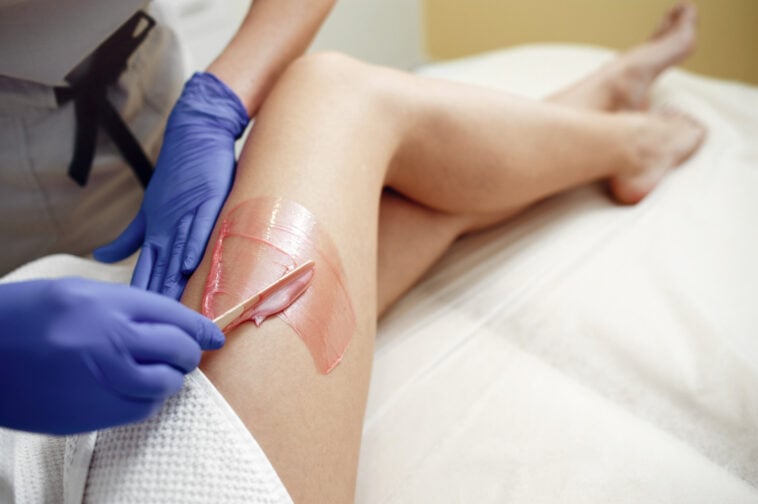
Many people want smooth skin but worry about pain or irritation from waxing. Waxing is a popular way to remove hair that can last for weeks. This blog will share easy tips to prepare, what to tell your esthetician, and how to care for your skin after waxing.
Keep reading to feel confident before your next waxing appointment!
Preparing for a Professional Waxing Treatment
Getting ready for a waxing session takes a few simple steps. Doing these can help make the treatment smoother and more comfortable.
Ensure proper hair length (about ¼ inch)
Hair should be about ¼ inch long before waxing. This length helps the wax stick well to the hair. If hair is too short, the wax may not pull it out properly. Long hair can cause more pain and make cleaning harder.
Estheticians prefer this ideal length for smooth hair removal and less skin irritation. Keeping hair at ¼ inch also lowers the risk of breakage instead of complete removal. > “Proper hair length makes waxing easier and less painful.
Exfoliate the area 24 to 48 hours beforehand
Exfoliating the skin 24 to 48 hours before waxing helps remove dead skin cells. This step makes the waxing process cleaner and easier for your esthetician. Use a gentle scrub or exfoliating mitt to avoid irritating sensitive skin. If you book a wax in San Diego, ask the studio whether they recommend a specific scrub for your skin type before the visit. Exfoliation prevents clogged pores and reduces the chance of ingrown hairs after hair removal.
Avoid over-scrubbing because it can cause redness or sensitivity. Waxing on smooth, freshly exfoliated skin improves hygiene and promotes better skincare results. Proper pretreatment like this supports pain management by making wax removal less harsh on your skin’s surface.
Avoid lotions, oils, or heavy products on the treatment area
Lotions, oils, and heavy products can block the wax from gripping hair properly. These products create a layer on the skin that makes waxing less effective. Your esthetician needs clean, dry skin to remove the hair well and reduce pain.
Using such products before your appointment may also increase skin sensitivity. This can cause redness or irritation after waxing. Keep the treatment area free of creams to help with hygiene and better results.
Disclose Medical Information to Your Esthetician
Tell your esthetician about any medications you take that may affect your skin. Share if you had recent skin treatments like chemical peels or laser work.
Medications that may thin the skin
Certain medications can make your skin thinner and more sensitive to waxing. These include steroid creams, blood thinners like aspirin, and some acne treatments containing retinoids or vitamin A derivatives.
Using these drugs may increase the risk of bruising or skin damage during hair removal. Always share your medication list with your esthetician before treatment. This helps them choose the safest method for hair removal. Avoid waxing if you are on such medications without consulting a professional first.
Recent chemical peels or laser treatments
Recent chemical peels or laser treatments can make your skin very sensitive. These procedures thin the top layer of your skin. Waxing soon after can cause irritation, redness, and even damage.
It is best to wait at least two weeks before waxing if you had a peel or laser treatment. This gives your skin time to heal fully.
Inform your esthetician about any recent treatments. They can adjust the waxing technique or suggest waiting longer for better results. Good communication helps protect your skin during hair removal and supports proper skincare as part of your beauty treatment routine.
Day-of-Appointment Tips
On the day of your waxing, small changes can help ease discomfort. Simple habits may also keep your skin calm and ready for the session.
Wear loose, breathable clothing
Choose loose, breathable clothing after waxing. Tight clothes can rub against your skin and cause irritation. Clothes made of cotton or other natural fabrics allow air to flow. This helps keep the waxed area cool and dry, lowering the chance of swelling or redness.
Loose outfits reduce friction on sensitive skin. They also help prevent infections by letting sweat evaporate quickly. Wearing soft, roomy clothes supports good hygiene and aids in healing after your hair removal treatment from your esthetician.
Avoid caffeine and alcohol to reduce sensitivity
Wearing loose, breathable clothing helps keep your skin calm before waxing. Staying away from caffeine and alcohol also lowers skin sensitivity. These substances can make your skin more tender and prone to irritation during the hair removal process. Cutting them out a few hours before your appointment may ease discomfort.
Alcohol thins the blood, which can cause more redness or swelling after waxing. Caffeine can raise heart rate and make pain feel stronger for some people. Reducing these drinks supports better pain management and smoother skincare results with your esthetician’s help.
Consider taking an over-the-counter pain reliever
Taking an over-the-counter pain reliever can help manage the discomfort often linked to waxing. Medications like ibuprofen or acetaminophen can reduce inflammation and ease pain. Aim to take the pill about 30 to 60 minutes before your appointment for best effect. This simple step helps lower skin sensitivity during hair removal.
Avoid aspirin as it may thin your blood and increase bruising risk. Using common pain relief aids supports a smoother beauty treatment experience with less soreness afterward. Combining this with other tips for skincare and hygiene will lead to better results from professional waxing sessions.
Aftercare for Waxed Skin
Care for your skin after waxing to keep it smooth and avoid irritation; learn simple steps to protect your skin.
Avoid sun exposure and excessive sweating
Sunlight can irritate freshly waxed skin and cause redness or burns. Stay out of the direct sun for at least 24 to 48 hours after your waxing session. Use shade or wear loose, protective clothing if you must be outside.
Sweating opens pores and may lead to irritation or infection. Skip intense workouts, saunas, and hot tubs right after waxing. Keep the skin clean and dry to help it heal smoothly.
Moisturize with gentle products next; this helps soothe sensitivity without clogging pores.
Moisturize with gentle, fragrance-free products
Apply a gentle, fragrance-free moisturizer to soothe the skin after waxing. These products help reduce redness and calm irritation without causing extra sensitivity. Avoid anything with strong scents or harsh chemicals, as they can upset freshly waxed skin.
Keep your skin hydrated every day to support healing and prevent dryness. This simple step improves comfort and helps maintain smooth, healthy skin. Next, learn how exfoliation prevents ingrown hairs after waxing.
Use exfoliation to prevent ingrown hairs (after 48 hours)
Moisturizing with gentle, fragrance-free products keeps your skin soft and helps it heal after waxing. After about two days, start exfoliating the area to stop ingrown hairs from forming.
Use a mild scrub or a soft brush to gently remove dead skin cells. This clears hair follicles and lets new hair grow out properly. Exfoliation also lowers the chance of bumps and irritation that can happen after waxing.
Doing this regularly as part of your beauty treatment supports smooth skin and reduces problems linked to hair removal.
Conclusion
Getting a professional waxing treatment can give you smooth skin. Preparing well helps reduce pain and irritation. Share your health details with the esthetician before starting. Wearing loose clothes and caring for your skin after waxing keeps it healthy.
Follow these tips to enjoy the best results from your beauty treatment.