
 Adam Torkildson
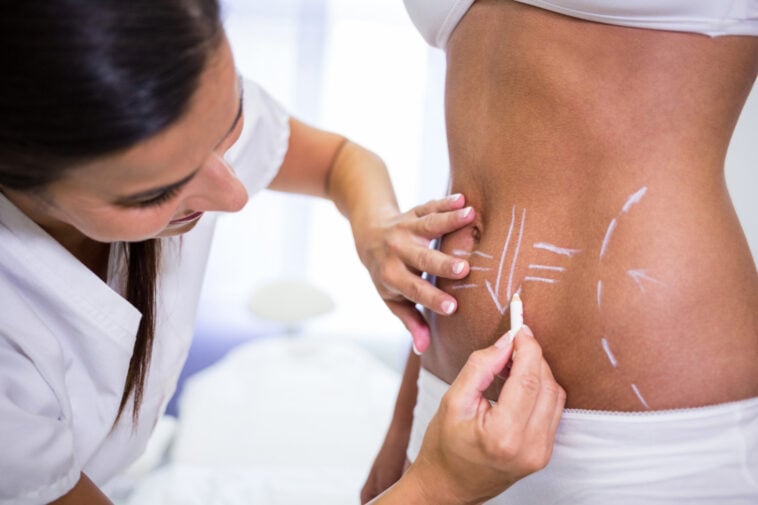
Tummy tuck surgery, also known as abdominoplasty, removes excess abdominal skin and fat while tightening weakened or separated abdominal muscles. Understanding how to prepare, the available surgical options, the procedure itself, and the recovery process can help you set realistic expectations. This guide also covers potential risks and practical ways to support safe healing.
Preparing for Tummy Tuck Surgery
Before tummy tuck surgery, you should have a consultation and complete all necessary tests to get ready. Read on to learn more.
Steps to take before the procedure
Preparing well helps make tummy tuck surgery safer and smoother. Clear communication with your surgeon sets the stage for good results.
-
Schedule a consultation to discuss your body contouring goals and health history.
-
Complete all pre-surgery tests recommended by your doctor, such as blood work or an EKG.
-
Stop smoking at least six weeks before the procedure to improve healing and reduce risks.
-
Avoid aspirin, anti-inflammatory drugs, and herbal supplements that can increase bleeding.
-
Arrange for someone to drive you home after surgery and help during the first few days of recovery.
-
Follow any special instructions about eating or drinking before anesthesia on surgery day.
-
Purchase compression garments ahead of time; these support muscle tightening and reduce swelling post-operation.
-
Plan a clean, comfortable recovery space with easy access to necessities to ease postoperative care.
Pre-surgery consultations and tests
Moving forward from the basic steps to take before the surgery, it is essential to attend pre-surgery consultations and complete tests. These steps will ensure your safety and prepare you for the tummy tuck procedure.
-
Schedule a meeting with your plastic surgeon to discuss your medical history and cosmetic goals.
-
Undergo a physical exam where the doctor checks muscle contours, skin elasticity, and fat removal areas.
-
Complete blood tests to detect any health issues that could affect anesthesia or surgery.
-
Have a heart and lung assessment to ensure you can handle anesthesia safely.
-
Provide details about current medications, supplements, and allergies during consultation.
-
Discuss smoking habits, as quitting is necessary to reduce risks like poor healing and swelling.
-
Review the different types of tummy tucks with your surgeon to choose the best option for your body contouring needs.
-
Get instructions about fasting before surgery to avoid complications during anesthesia.
-
Arrange for help at home after surgery, since recovery requires rest and limits on movement.
-
Sign consent forms showing understanding of risks, scarring potential, and postoperative care requirements.
Types of Tummy Tucks
There are different tummy tuck types that target specific areas and goals, so keep reading to find out which might suit you best.
Full Tummy Tuck
A full tummy tuck, or abdominoplasty, fixes both the muscle and skin in the belly. Surgeons make a long cut from hip to hip. This lets them tighten muscles that have loosened or separated. Patients researching a tummy tuck in Pennsylvania often compare surgeons who perform full abdominoplasty and review before-and-after photos to understand typical results.
They also remove extra skin and fat. Fat removal helps improve body contours for a smoother look. Patients usually wear a compression garment after surgery to control swelling and support the healing tissues. The procedure uses general anesthesia, so patients sleep through it without pain.
Now let’s explore the other types of tummy tucks available.
Mini Tummy Tuck
Moving from the full tummy tuck, the mini tummy tuck targets only the lower belly. It involves a smaller incision and less muscle tightening. This surgery removes fat and loose skin below the belly button. Patients with mild belly sag or small fat deposits often choose this option.
Recovery after a mini tummy tuck tends to be faster than after a full one. Swelling and bruising are usually less severe due to the limited area treated. Surgeons still recommend wearing a compression garment to help reduce swelling and support healing. This procedure offers subtle contouring for those needing modest changes.
Extended Tummy Tuck
An extended tummy tuck shapes not just the front belly but also the sides and lower back. Surgeons make a longer cut than in a full tummy tuck to remove extra skin and fat from these areas.
This surgery tightens muscles, smooths body contours, and helps with bigger changes after major weight loss or pregnancy.
This procedure lasts longer than other abdominoplasty types and requires careful postoperative care. Patients wear a compression garment to reduce swelling and support healing. Muscle tightening lifts up body curves while improving firmness along the torso’s entire width.
The Tummy Tuck Procedure
The surgeon makes careful cuts to reshape your belly. They tighten muscles and remove extra skin for a smoother look.
Incision techniques
Incisions for tummy tuck surgery vary based on the type of abdominoplasty chosen. A full tummy tuck usually involves a horizontal cut just above the pubic area, stretching from hip to hip. This allows access to remove excess skin and tighten muscles.
For a mini tummy tuck, a shorter incision is made below the belly button. Extended tummy tucks require longer incisions that may wrap around the hips to address more areas of fat removal and contouring. Incision placement aims to hide scars under clothing or swimwear as much as possible.
Muscle tightening and skin removal
Surgeons tighten the abdominal muscles by stitching them closer together. This step improves muscle contours and gives a firmer stomach shape. Loose or sagging skin is then removed to smooth the body’s appearance.
Excess fat may also be removed during this part of abdominoplasty surgery. The goal is to create a flat, toned look while removing wrinkles and folds in the skin. After tightening and removal, patients wear compression garments to help reduce swelling and support healing.
Recovery Process
The healing time varies for each person after tummy tuck surgery. You will need to follow your care instructions closely to ease discomfort and reduce swelling.
Timeline for healing
Healing after tummy tuck surgery takes time and care. Each stage brings changes in swelling, tightness, and muscle contours.
-
Days 1 to 3: Swelling and bruising peak. Pain is most intense. Anesthesia effects fade. Compression garment must be worn to reduce swelling.
-
Week 1: Some patients can sit up and move slowly. Muscle tightening feels firm. Fat removal areas may feel numb.
-
Week 2: Swelling starts to go down. Bruising lessens. Tightness remains around the belly button and incision site.
-
Weeks 3 to 4: Most pain goes away. Muscle contours become clearer. Postoperative care, like gentle walking, helps blood flow.
-
Weeks 5 to 6: Compression garment use decreases gradually. The skin begins to adjust to new body contouring shape.
-
Months 2 to 3: Scarring fades but is still visible. Regular follow-up visits ensure no complications arise.
-
Months 4 to 6: Final fat removal results are shown more clearly as swelling resolves completely.
-
Six months: Patients can usually resume all normal activities without restrictions or discomfort from surgery or the recovery process.
Tips for managing pain and swelling
Beyond the timeline for healing, managing pain and swelling plays a key role in your recovery process. These steps help ease discomfort and support proper postoperative care.
-
Wear a compression garment as directed to reduce swelling and provide muscle support.
-
Take prescribed pain medicine exactly as recommended to control discomfort without side effects.
-
Elevate your upper body and legs while resting to help lower swelling in the surgical area.
-
Apply cold packs gently on the tummy region during the first 48 hours to calm inflammation.
-
Avoid strenuous physical activity or heavy lifting for at least four weeks to prevent complications.
-
Drink plenty of water to stay hydrated, which helps flush out toxins from fat removal.
-
Follow all your doctor’s instructions on wound care to avoid infection, which can increase pain or swelling.
-
Attend all follow-up consultations for timely assessment of muscle tightening results and healing progress.
Risks and Complications
Every surgery carries some risks. Knowing them helps you stay safe and heal well.
Common risks
Tummy tuck surgery carries some risks like any operation. Some issues are mild, but others need medical care.
-
Infection can occur at the incision site. Redness, warmth, and pus are signs to watch.
-
Blood clots may form in the legs or lungs. Swelling, pain, or shortness of breath require quick attention.
-
Scarring varies by skin type and healing. Scars might be thick or raised but usually fade over time.
-
Bleeding after surgery is possible. Excessive bleeding may require extra treatment.
-
Numbness or changes in skin feeling often happen near the tummy area. This can last for months but usually improves.
-
Poor wound healing may cause the skin edges to pull apart. This slows recovery and requires proper care.
-
Fluid buildup under the skin, called seroma, can happen. Removing fluid with a needle helps fix this.
-
Asymmetrical or uneven body contours may result from muscle tightening and fat removal.
-
Skin loss is rare but serious if blood flow is interrupted during surgery.
-
Anesthesia risks include allergic reactions or breathing problems during surgery.
Understanding these risks helps with better postoperative care and smoother recovery from abdominoplasty.
How to minimize complications
Minimizing complications after abdominoplasty helps keep recovery smooth and safe. Taking clear steps improves results and lowers risks.
-
Follow all pre-surgery instructions from your surgeon carefully to reduce infection risk and promote healing.
-
Avoid smoking for at least six weeks before and after surgery since it slows down blood flow and increases complications.
-
Use prescribed antibiotics as directed to prevent infections during the postoperative care phase.
-
Wear your compression garment daily to reduce swelling, support muscle contours, and help skin adjust to your new body shape.
-
Keep follow-up appointments with your doctor for early detection of any issues like swelling or bruising.
-
Stay active, but avoid heavy lifting or intense exercise until your surgeon gives permission; this prevents strain on tightened muscles.
-
Eat healthy meals rich in protein, vitamins, and minerals to boost healing and reduce weakness in tissues cut during surgery.
-
Drink plenty of fluids except alcohol, which can cause dehydration and increase tightness or bruising around the incision areas.
-
Monitor surgical sites for abnormal redness, drainage, or pain that may indicate problems needing quick attention.
-
Take pain medication exactly as prescribed; managing discomfort reduces stress on your body that could slow recovery after fat removal and muscle tightening.
Conclusion
Tummy tuck surgery can reshape your body and boost confidence. Expect some swelling and tightness after the procedure. Follow your doctor’s advice for faster healing. Wearing a compression garment helps reduce bruising and supports muscle contours.
Stay patient, and you will see great results over time.