 Full Editorial
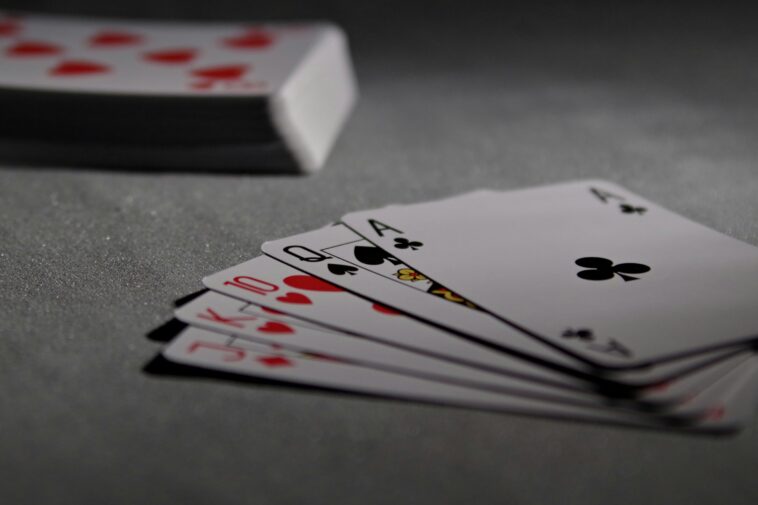
There is a quiet ritual that happens in homes all over the world. It usually happens in the mid-morning with a cup of coffee, or perhaps in the evening when the house settles down. A deck of cards is brought out. Or maybe an iPad is opened. The game begins. Red on black. Ace to King. Order from chaos.
For decades, we viewed this pastime as just a way to kill time—something you did when there was nothing good on TV. But recent conversations around healthy aging have started to frame it differently. We are beginning to realize that this simple card game is actually a powerhouse for mental fitness.
For senior adults, maintaining cognitive health is just as important as maintaining physical health. We talk a lot about walking 10,000 steps or eating enough fiber, but we often neglect the “gym” for our minds. Whether you are using a physical deck that has seen better days or logging on to play Solitaire online, the act of sorting those cards is doing a lot more than just passing the time. It is keeping the neural pathways firing, the fingers moving, and the spirit engaged.
Here is why this classic game is one of the best habits a senior can adopt.
1. The “Mental Gym” Without the Heavy Lifting
We know that the brain operates on a “use it or lose it” basis. As we age, our processing speed and short-term memory can naturally start to slow down. The best defense is to keep giving the brain small, solvable problems.
Crossword puzzles are great, but they rely heavily on vocabulary and trivia knowledge. Sudoku is great, but it requires a specific kind of mathematical logic that not everyone enjoys.
Solitaire hits the sweet spot. It relies on pattern recognition and sequencing. When a senior scans the board looking for a move, they are exercising their visual scanning abilities. When they plan two or three moves ahead—”If I move the black seven, I can free up the red six”—they are using executive function and critical thinking.
The beauty of it is that it doesn’t feel like a test. It’s low-stakes. If you make a mistake, you just undo it or redeal. This allows seniors to exercise their cognitive faculties without the anxiety of feeling “graded” or judged, which is often a barrier to trying new hobbies later in life.
2. A Digital Bridge for Dexterity
One of the cruel realities of aging is arthritis. For many seniors, the simple act of shuffling a physical deck of cards is painful. The repetitive motion of bridging the cards or dealing them out can cause stiffness in the knuckles and wrists.
This is where the digital revolution has actually been a blessing for the senior community. Moving cards on a tablet or a computer screen requires a much smaller range of motion. A simple tap or a click replaces the physical strain of gripping and shuffling. This keeps the game accessible to people who might have given up on their weekly card night because their hands just couldn’t keep up.
Furthermore, using a mouse or a touchscreen helps maintain fine motor skills and hand-eye coordination. It forces the brain to coordinate with the hand to target a specific, small object on the screen. It is a subtle form of occupational therapy that feels like play.
3. The Antidote to Senior Isolation
Loneliness is a significant health risk for the elderly. While Solitaire is, by definition, a game played alone, it acts as a powerful companion, and it can be a way to connect and meet other people who enjoy the game.
When the house is quiet, silence can sometimes feel heavy. It can lead to rumination or worry about health and family. Engaging in a game shifts the brain from a passive state (worrying) to an active state (solving).
It creates a state of flow. When you are deep in a game, trying to uncover that buried Ace, you aren’t thinking about your doctor’s appointment next week. You aren’t thinking about the news. You are fully present in the moment.
For seniors who live alone, this structure is vital. It provides a sense of routine and purpose. Waking up, having breakfast, and winning three games provides a sense of accomplishment to start the day. It turns a stagnant morning into an active one.
4. Emotional Regulation and the Small Win
As we get older, we often lose control over certain aspects of our lives. We might retire from our careers. We might not drive as much. We might rely on others for help with household tasks. This loss of agency can be frustrating. Humans crave control. We crave the feeling of fixing things.
Solitaire provides a microcosm of control. You start with a mess—a shuffled, chaotic board—and through your own decisions and strategy, you bring order to it. You clear the piles. You stack the decks.
That moment when the final card clicks into place and the board clears? That is a dopamine hit. It is a victory.
Psychologists call this a “mastery experience.” Accumulating these small wins throughout the day helps boost mood and confidence. It reminds the player that they are capable, sharp, and successful. It fights back against the feelings of helplessness that can sometimes accompany aging.
5. It’s a Forever Friend
Finally, there is the comfort of familiarity. For a senior today, Solitaire isn’t a new app they have to learn from scratch. It’s a game they likely played on the living room floor in 1955. It’s a game they played at their desk when computers first entered the workplace in the 90s.
In a world that is changing rapidly—where phones don’t have buttons and TVs speak to you—Solitaire is a constant. The rules haven’t changed. The Kings are still high; the Aces are still low.
This nostalgia is comforting. It provides a link to the past while keeping them grounded in the present. It’s a safe harbor.
A Card Game With Benefits
We need to stop looking at Solitaire as a “time waster.” For the senior community, it is a brain-booster, a mood-lifter, and a reliable friend.
So, if you have an aging parent or grandparent, encourage them to play. Set them up with a good app or a fresh deck of cards. Challenge them to beat their high score. You aren’t just helping them pass the afternoon; you are helping them keep their mind vibrant, active, and happy.