
 Full Editorial
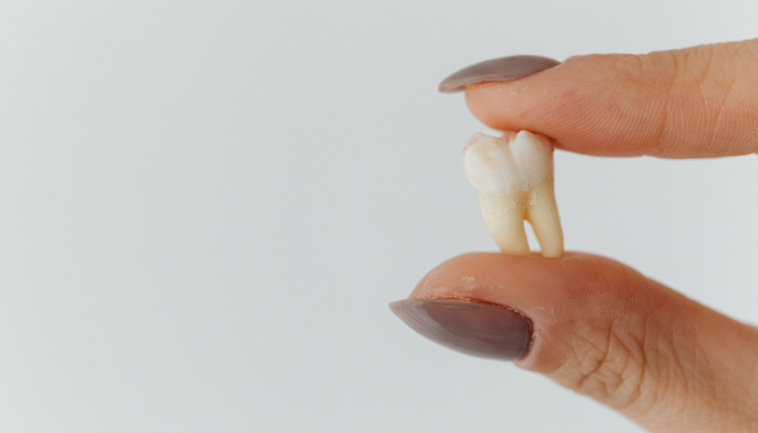
There is a heavy, unspoken stigma attached to tooth loss. If you are under the age of sixty, losing a permanent tooth feels like a massive personal failure. You imagine the stereotypical glass of water on a nightstand holding a bulky set of false teeth.
But the reality of dental health is far more complicated—and far less forgiving—than we like to admit. You can brush twice a day, floss religiously, and still find yourself sitting in a dental chair staring at an extraction plan. Life happens. Mountain biking accidents happen. Genetics and autoimmune diseases happen.
When you find yourself staring at a gap in your smile, the immediate assumption is usually that you need to empty your savings account for a surgical implant. But there is a middle ground that younger patients often overlook due to pure vanity. Modern partial dentures are not the clunky, uncomfortable plastic plates of the past. They are highly engineered, discreet medical devices that serve a massive demographic of young and middle-aged adults.
Here is why you need to drop the stigma and look at the actual math and science of tooth replacement.
1. How Younger Adults Actually Lose Teeth
Let’s shatter the illusion that only seniors lose their teeth. According to the American College of Prosthodontists, millions of people are missing at least one tooth, and a significant chunk of them are under the age of 40.
It rarely has to do with poor hygiene. Here is what is actually happening:
- Blunt Force Trauma: Hockey, rugby, mountain biking, or just slipping on an icy sidewalk. A single impact can knock a tooth out by the root or fracture it below the gum line, making it unsalvageable.
- Genetics (Hypodontia): Some people are simply born missing certain adult teeth. The baby tooth eventually falls out in their twenties, and there is absolutely nothing underneath to replace it.
- Medication and Illness: Chemotherapy, autoimmune disorders, and even severe acid reflux can decimate tooth enamel and bone density in a matter of years, leading to unavoidable extractions.
- Pregnancy: Hormonal shifts during pregnancy can trigger severe gingivitis and periodontitis, sometimes resulting in rapid tooth mobility and loss for women in their twenties and thirties.
2. The “Domino Effect” of a Missing Tooth
If you lose a molar in the back of your mouth, the temptation is to just leave it alone. Nobody can see it when you smile, right?
This is a structural disaster. Your teeth operate as an interconnected system.
When you remove a tooth, two things happen almost immediately:
- Drift: The teeth on either side of the gap lose their anchor and begin to tilt inward. The tooth directly above (or below) the gap will “super-erupt,” growing longer to try to find something to chew against. This wrecks your bite alignment and can lead to severe TMJ pain.
- Bone Resorption: The root of your tooth stimulates your jawbone. When the root is gone, the bone assumes it is no longer needed and literally melts away. This leads to the sunken-cheek look that ages your face prematurely.
Filling that space isn’t just about looking good in photos; it is a mechanical requirement to hold the rest of your skeletal structure in place.
3. Modern Engineering
The biggest reason younger adults balk at the idea of a removable prosthetic is the aesthetic fear. They picture thick pink plastic and glaring metal wire hooks wrapping around their front teeth. Today, dental technology has advanced well beyond that.
Today, you have options that are virtually invisible to the naked eye.
- Flexible Partials: Made from a thin, thermoplastic material (like Valplast), these appliances have no metal clasps at all. The base is translucent, blending seamlessly with your natural gum tissue, and they flex as you chew, making them incredibly comfortable and lightweight.
- Cast Metal Frameworks: While they use metal for durability, modern clasps can be placed strategically in the back of the mouth or designed to hug the tooth right at the gum line, so they are entirely hidden when you speak or smile.
4. The Financial Reality Check
We have to talk about the elephant in the room: dental implants. Yes, a titanium implant is the gold standard for tooth replacement. But a single implant, complete with the abutment and the crown, can easily cost $4,000 to $6,000 out of pocket. If you lose three teeth in a cycling accident, you are looking at the price of a used car. Most 30-year-olds do not have $15,000 lying around for surprise dental surgery.
A removable appliance acts as an immediate, affordable bridge. It gives you your smile and your chewing function back right now, without drowning you in medical debt. Many young patients use a removable partial for five or ten years while they save up cash for an implant down the road.
Revive Your Smile
Losing a tooth is a medical event. How you treat it should be a logical medical decision, not an emotional one tied to your ego or your age.
Walking around with a gap in your smile because you are too proud to wear a removable appliance is only going to damage your remaining teeth and your self-confidence. A modern prosthetic is a tool—a highly customized, beautifully engineered tool—that lets you get back to living your life without hiding your laugh.