
 Full Editorial
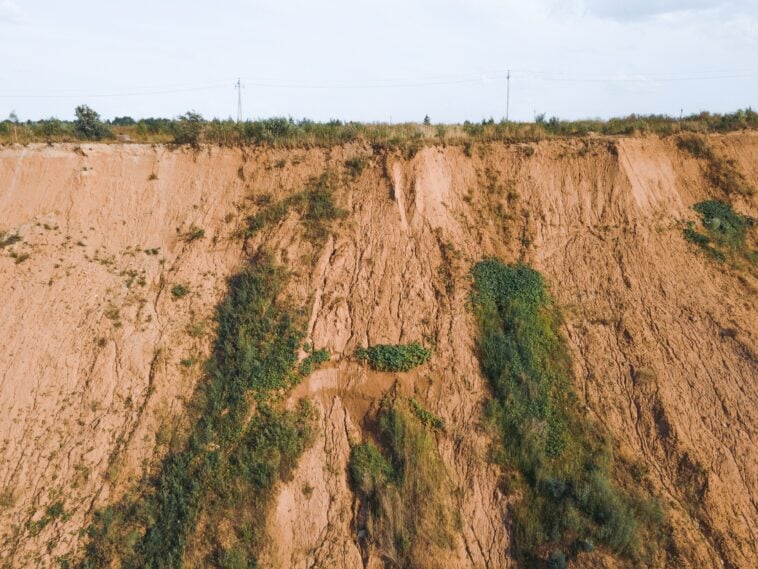
When you own or manage a commercial property, your daily checklist is already packed with maintenance requests, tenant concerns, and budget meetings. It’s easy to overlook the ground your building actually sits on, but shifting soil and poor drainage can slowly eat away at your investment before you even realize there’s a problem. Water runoff from storms or melting snow doesn’t just sit there; it moves, taking vital topsoil and structural support with it. If left unchecked, this quiet process can lead to staggering repair bills. Fortunately, modern engineering offers highly effective solutions to stabilize your land. Incorporating geosynthetics into your landscaping and drainage plans provides a durable, invisible shield that holds the earth in place. Understanding exactly how unchecked water runoff threatens your property is the first step toward protecting your bottom line.
Undermining Foundations and Structural Integrity
The most dangerous consequence of soil displacement is the threat it poses to your building’s foundation. Commercial structures rely on compacted, stable earth to bear their weight. When rainfall continuously washes soil away from the base of your building, it creates underground voids. Over time, the concrete footings lose their necessary support, leading to uneven settling. You might start noticing hairline cracks in the drywall, doors that suddenly stick in their frames, or sloping floors inside the building. Fixing a compromised foundation is incredibly expensive and highly disruptive to the businesses operating inside. By the time structural damage becomes visible to the naked eye, the underlying soil degradation has usually been happening for months or even years. Catching the issue early is the only way to avoid a catastrophic structural repair.
Destroying Parking Lots and Paved Walkways
Your parking lot is a major financial investment and usually the first thing a customer experiences when visiting your property. Asphalt and concrete are strong, but they are only as reliable as the dirt underneath them. When water isn’t routed properly away from paved surfaces, it seeps into the subgrade. As the soil washes out, the pavement above loses its support. This leads to deep potholes, alligator cracking, and even dangerous sinkholes. Constantly patching a crumbling parking lot is a drain on your budget if the root cause is poor soil retention. Eventually, the entire surface will need to be ripped up, the subgrade rebuilt, and new asphalt laid down. This forces you to shut down parking access, frustrating your tenants and turning away potential customers.
Creating Liability and Safety Hazards
Commercial property owners carry a significant responsibility to keep visitors, employees, and tenants safe. Soil erosion creates a very real physical danger on your grounds. When the dirt supporting your sidewalks washes away, the concrete slabs can shift, tilt, or crack. This creates uneven walking surfaces and sudden trip hazards. If a customer trips on a jagged piece of sidewalk and gets hurt, you could face a costly premises liability lawsuit. Additionally, deep gullies or trenches carved out by storm runoff near walkways can cause someone to twist an ankle if they step off the path. Maintaining smooth, stable surfaces isn’t just about looks; it’s a critical part of your legal protection and risk management strategy.
Wrecking Your Landscaping and Curb Appeal
First impressions matter in business. A lush, well-maintained exterior tells clients that you run a professional and detail-oriented operation. Unfortunately, fast-moving water strips away the nutrient-rich topsoil required to keep your grass, shrubs, and trees healthy. You might notice large bald patches forming on hillsides, or exposed tree roots that look unsightly and create tripping hazards for your landscaping crew. Mulch and decorative rock beds often get washed straight into the parking lot after a storm, making the property look messy and neglected. Replacing dying plants and constantly refilling mulch beds is a frustrating drain on your landscaping budget. If your property looks unkempt on the outside, potential clients might assume your business is run the same way on the inside.
Practical Fixes to Stop the Washout
The good news is that you don’t have to watch your property slowly wash away. Fixing the issue requires a combination of redirecting water and holding the soil firm. The most immediate fix is evaluating your gutter and downspout systems. Ensure that water pouring off your roof is being piped far away from the foundation and directed into designated storm drains.
For sloped areas prone to washing out, installing retaining walls is a classic and effective strategy. These structures break up the slope and reduce the speed of descending water. Combining physical barriers with deep-rooted vegetation is another excellent long-term strategy. Native grasses and groundcovers cast a wide network of roots that naturally bind the dirt together.
When dealing with severe runoff, upgrading your subterranean drainage is essential. French drains and catch basins can intercept water before it pools or gains momentum on the surface. Wrapping these underground systems in specialized fabrics keeps silt from clogging the pipes, ensuring water flows safely away from your infrastructure without creating underground blockages.
Taking Proactive Steps to Protect Your Investment
Dealing with shifting soil and water damage is frustrating, but ignoring the signs will only multiply your repair costs down the road. Take the time to walk your property after a storm. Look for pooling water, tiny ravines carved into the mulch, and cracks in the pavement. Catching these warning signs early allows you to implement smart, proactive solutions before the damage spreads. By stabilizing your soil and managing where the water goes, you protect your building, keep your visitors safe, and preserve the long-term value of your commercial investment.