
 Adam Torkildson
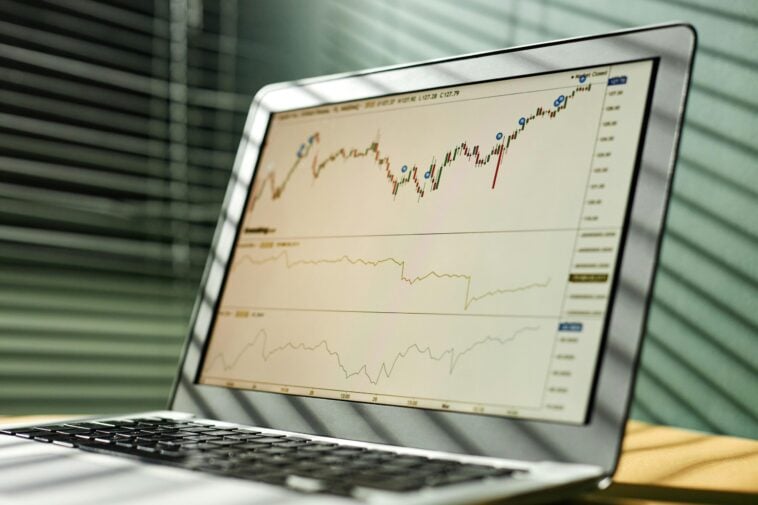
If you are interested in trading synthetic indices, one of the first things you must learn is each index’s unique characteristics. This may seem weird at first, especially if you are from a forex, stocks, or commodities background.
Each synthetic index has its unique behavior that determines its volatility. Knowing this will help you choose indices that align well with your trading strategy. For example, if you are a scalper, you will prefer trading the most volatile synthetic indices.
What Does Volatility Mean in Synthetic Indices?
Volatility in synthetic indices refers to the degree and speed at which an index’s price changes over a particular period. However, not all synthetic indices move the same way.
A highly volatile synthetic index can experience relatively large price movements in a short period. A lower volatility index generally experiences smaller price fluctuations. High-volatility synthetic indices often create numerous trading opportunities, and when paired with the right strategy, they can yield the best results.
Which Are the Most Volatile Synthetic Indices?
You will not find a universal list that ranks every synthetic index by volatility. Keep in mind that synthetic indices are generated using proprietary computer algorithms. A Volatility 100 Index on Weltrade will behave differently from a Volatility 100 Index on another broker.
§ Volatility Indices
Volatility indices are specifically designed around predetermined volatility levels. Usually, you will come across Volatility 10, Volatility 25, Volatility 50, and Volatility 100; the bigger the number, the more volatile the index.
An index with a higher volatility parameter will produce larger simulated price fluctuations than one designed around a lower parameter. This makes volatility indices relevant when discussing the most volatile synthetic indices.
§ Crash and Boom Indices
Crash and boom are a special type of synthetic indices. Crash synthetic indices are designed around the possibility of sudden downward movements at specified statistical frequencies. Boom indices, on the other hand, experience sharp upward movements.
When trading crash and boom indices, you may notice relatively normal price movement followed by a significant downward or upward spike. This sudden price fluctuation makes risk management particularly important.
Tips for Trading the Most Volatile Synthetic Indices
§ Use a Demo Account
Before investing or trading the most volatile synthetic indices using real cash, we recommend using a demo account for practice. Demo accounts provide a simulated environment and virtual cash that you can use to open positions in the synthetic market.
It is also risk-free, meaning you don’t have to worry too much about making mistakes. In addition, you can use your demo account to test various trading strategies and evaluate whether they align with your choice of synthetic indices.
§ Don’t Risk Too Much
The high price fluctuations can be very enticing. However, they carry a risk, especially when trading the most volatile pairs in synthetic indices. A sudden spike in price can be followed by a rapid drop that wipes out your account in seconds.
Instead, approach the market with caution. Have a clear trading plan and back it up with risk management. For example, define the maximum amount you can risk for every position you open.