
 Full Editorial
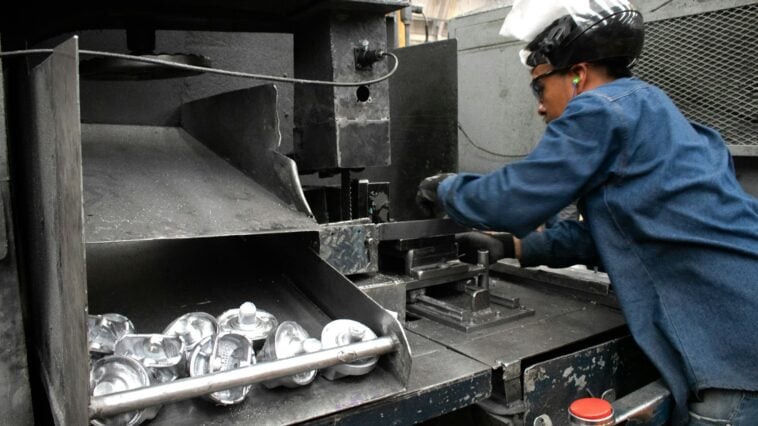
Manufacturers across the semiconductor, automotive, telecommunications, aerospace, and consumer electronics industries depend on precise, repeatable metal finishing to keep production lines moving. When a component needs a conductive, corrosion-resistant, or solderable surface applied at high volume, reel-to-reel plating capabilities are often the deciding factor between a supplier that can scale with a program and one that cannot. A plating partner’s process control affects everything downstream, from electrical performance to how consistently a part solders on an assembly line, which is why engineering and procurement teams increasingly evaluate plating capability as a core part of supplier selection rather than an afterthought. This article looks at what reel-to-reel plating actually involves, why the right capabilities matter, and what questions engineering and procurement teams should ask before selecting a plating partner.
What Is Reel-to-Reel Plating?
Reel-to-reel plating is a continuous electroplating process in which metal components, such as leadframes, connector contacts, and formed metal parts, are fed from one reel, passed through a series of plating and rinse stations, and wound onto a second reel. Because the strip moves continuously through the line rather than being loaded and unloaded piece by piece, the process is far more efficient than plating individual parts in batches. It also produces more consistent results, since every part on the strip passes through the same solution, current density, and dwell time.
For manufacturers producing high volumes of small, precision metal components, strong reel-to-reel plating capabilities translate directly into lower per-part costs, shorter lead times, and tighter tolerances on plating thickness.
Key Reel-to-Reel Plating Capabilities to Look for in a Manufacturing Partner
Not every plating shop offers the same depth of process control. When evaluating a supplier’s reel-to-reel plating capabilities, it helps to look beyond a general claim of “we do reel-to-reel plating” and ask about the specific processes available. The strongest partners typically offer the following:
- Overall (full-coverage) plating for uniform surface finishing across an entire part
- Control depth plating for applications with strict compliance or engineering tolerances
- Selective stripe plating, single-sided or dual-sided, to apply precious metal only where it is functionally needed
- Spot plating for highly localized finishing on specific contact points
- Secondary operations such as strip cutting, singulation, and leadframe or heatsink assembly
Why Selective Plating Matters for Cost Control
Of these, selective plating deserves particular attention. Because precious metals such as gold, silver, and palladium carry a significant cost, plating only the functional contact areas of a part, rather than the entire surface, can meaningfully reduce material spend without compromising performance. A manufacturing partner with mature selective plating capability can apply single-sided or dual-sided stripes, or even localized spot deposits, with tight registration and consistent thickness across an entire production run. This level of control is difficult to achieve without dedicated reel-to-reel tooling and process expertise built up over years of production.
Industries That Depend on Reel-to-Reel Plating Capabilities
Semiconductor and Electronics
Leadframes and connector contacts used in semiconductor packaging require precise, repeatable plating to ensure reliable electrical performance and solderability. Even minor inconsistencies in plating thickness can affect device performance at scale, which is why semiconductor manufacturers tend to favor suppliers with well-documented, repeatable reel-to-reel processes over shops that plate on a more ad hoc basis.
Automotive and Telecommunications
Automotive connectors and telecommunications hardware are often produced in extremely high volumes, where a plating partner’s throughput and consistency directly affect a program’s overall cost and schedule. A single plating line running out of specification can quickly become a bottleneck across an entire supply chain, so proven capacity and process discipline matter as much as the finish itself.
Aerospace, Defense, and Medical
These industries typically require documented process control, traceability, and compliance with strict quality standards, making a supplier’s certifications and quality systems just as important as its equipment. Parts destined for aerospace, defense, or medical applications often carry tighter tolerances and longer qualification cycles, so a plating partner’s ability to demonstrate consistent, auditable results over time carries real weight during supplier approval.
Consumer Electronics
Consumer electronics programs typically combine high volume with frequent design changes, which places a premium on a plating partner that can adapt quickly. A supplier with broad reel-to-reel plating capabilities can accommodate new finish specifications or material changes without the long re-tooling delays that slower-moving shops require.
Electroplating Services and Process Control Go Hand in Hand
Broader electroplating services capability, meaning the ability to plate a range of base materials and finishes rather than a single narrow process, gives manufacturers more flexibility as designs evolve. A supplier that can move a part between overall plating, selective plating, and control depth plating without re-tooling an entire line is better positioned to support engineering changes, new finish requirements, or shifting volume needs across the life of a program.
How to Evaluate a Partner’s Reel-to-Reel Plating Capabilities
Manufacturers comparing potential partners should look closely at the number and configuration of continuous plating lines a supplier operates, since line capacity affects both lead time and the ability to run multiple programs in parallel at once. It is also worth understanding the range of finishes and base materials a supplier can support, the in-house quality assurance equipment and testing available to verify plating thickness and adhesion, relevant certifications such as ISO 9001 and IATF 16949, and whether the supplier can work with customer-supplied materials as well as source and stamp components for a fully turnkey program.
Working with an Established Reel-to-Reel Plating Partner
Reel-to-reel plating is a specialized discipline, and the difference between an adequate supplier and an excellent one often comes down to decades of accumulated process knowledge. Leading Technologies Inc., a Vandergrift, Pennsylvania-based contract manufacturer founded in 1993, operates 24 continuous plating lines and has built its business specifically around reel-to-reel electroplating of leadframes, connector contacts, and formed metal products for the semiconductor, automotive, telecommunications, aerospace and defense, consumer electronics, and medical equipment industries. Manufacturers evaluating reel-to-reel plating capabilities for an upcoming program can learn more about Leading Technologies’ processes and equipment on the reel-to-reel plating page.
Choosing a plating partner is rarely just about price per part. The right reel-to-reel plating capabilities, backed by the right equipment, quality systems, and process expertise, can reduce costs, improve consistency, and give a manufacturing program room to grow. Taking the time to ask detailed questions about a supplier’s lines, finishes, and certifications up front will pay off across the life of a production program.