
 Full Editorial
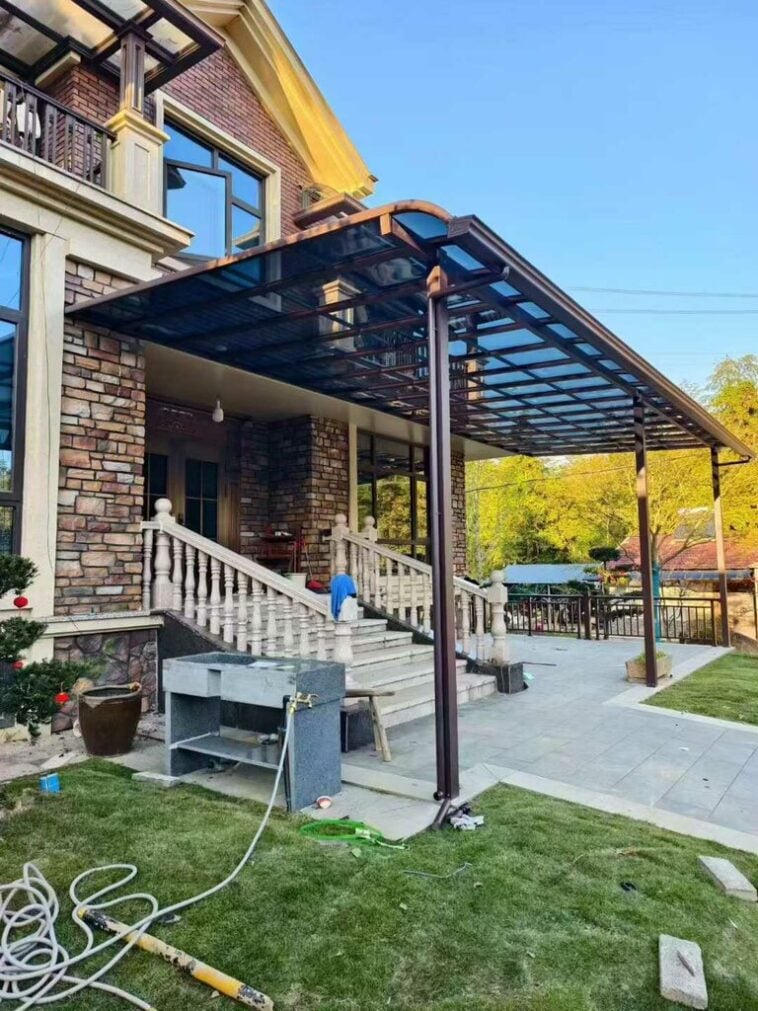
Alfresco living is woven into the very fabric of the Australian lifestyle. From weekend family barbecues and morning coffees to relaxing evenings under the stars, the backyard is an extension of the Australian home. However, Australia’s climate is notoriously extreme. Homeowners must contend with scorching summer heatwaves, intense UV radiation, sudden torrential downpours, and whipping winds.
Without adequate shelter, a beautiful backyard deck or paved courtyard can quickly become unusable for large portions of the year.
Historically, adding a permanent roof to an outdoor area meant hiring expensive architects, navigating lengthy builder timelines, and bracing for unpredictable construction costs. Today, patio cover kits in Australia have completely revolutionized the market. These pre-engineered, precisely manufactured systems offer a high-end, architectural solution at a fraction of the cost of a traditional custom build.
This comprehensive guide explores the surge in popularity of DIY patio covers, breaks down material choices, evaluates roofing technologies, and outlines everything you need to know to execute a flawless outdoor transformation.
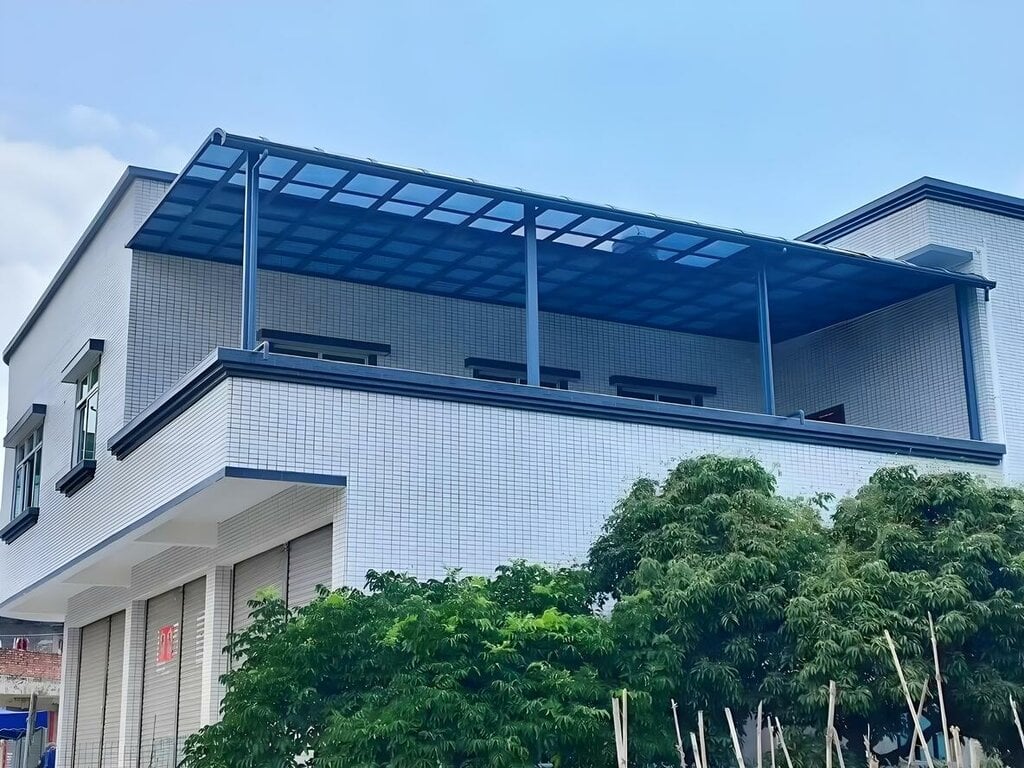
Why Patio Cover Kits Are Exploding in Popularity Across Australia
The shift toward modular, high-quality kit structures is one of the biggest home improvement trends across the country. Australian homeowners are increasingly turning to patio cover kits for several compelling reasons:
- Cost-Effective Structural UpgradesA custom-designed, builder-installed pergola or veranda can easily cost tens of thousands of dollars in labor alone. Patio kits eliminate the heavy markup of a middleman. Because the engineering, cutting, and drilling are completed at a specialized manufacturing plant, you pay strictly for the premium materials and structural engineering, making it a highly budget-friendly alternative that doesn’t compromise on quality.
- Streamlined DIY EngineeringModern patio kits are not flimsy, off-the-shelf retail products. They are heavy-duty, commercial-grade systems specifically designed for residential installation. Suppliers deliver these packages directly to your door with all components pre-cut to exact millimetre specifications, pre-punched holes, and comprehensive hardware packs. If you can handle a spirit level, a drill, and a tape measure, you can assemble a modern patio cover.
- Comprehensive Year-Round Weather ProtectionAustralia experiences some of the highest UV indexes in the world, alongside volatile weather shifts. A high-quality patio cover creates a reliable thermal barrier. It shields your family from skin-damaging radiation, prevents expensive outdoor furniture from fading or cracking, and ensures that a sudden passing storm won’t ruin your outdoor dinner party.
- Significant Boost to Property Value and Appraisal AppealReal estate experts consistently emphasize that “indoor-outdoor flow” is one of the highest-yielding selling points in the Australian housing market. Buyers look for functional, shaded spaces that feel like secondary living rooms. Installing a sleek, permanent patio cover instantly expands your home’s usable square footage, directly translating to higher market valuation and kerb appeal.
Material Focus: Why Aluminium Patio Kits Reign Supreme
When browsing the Australian market, you will generally encounter three material options for structural framing: timber, steel, and aluminium. While timber offers a classic look, it requires relentless maintenance (sanding, staining, and painting) and is highly susceptible to termites and rot. Steel is strong but heavy, prone to edge rust in coastal saltwater environments, and difficult to handle during DIY installation.
For the vast majority of Australian environments, aluminium patio kits represent the absolute gold standard of outdoor engineering.
• 100% Rust & Corrosion Proof (Crucial for coastal suburbs)
• High Strength-to-Weight Ratio (Easier to lift and align DIY)
• Zero Termite or Rot Risk (Structural peace of mind)
• Virtually Maintenance-Free (Simple hose-down every 6 months)
Engineered Resilience to Corrosion
Aluminium naturally forms a protective oxide layer, making it completely immune to rust. Whether you live in a high-humidity tropical zone like Cairns, a salt-sprayed coastal strip like the Gold Coast or Sydney’s Northern Beaches, or a dry inland region, an aluminium frame will remain structurally sound and visually flawless for decades without degrading.
High Strength, Minimal Weight
Aluminium is exceptionally strong yet remarkably lightweight compared to structural steel. This is a massive logistical advantage for DIYers. It means beams, rafters, and posts can be safely lifted, positioned, and fastened by two adults without the need to hire specialized cranes or material lifters, reducing both physical strain and project costs.
True Low-Maintenance Living
Unlike timber, which requires biannual sealing to prevent warping, or steel, which requires constant monitoring for paint chips and rust spots, powder-coated or anodised aluminium requires virtually zero upkeep. An occasional rinse with a garden hose to clear away dust, salt spray, or organic debris is all it takes to keep the structure looking brand new.
Ultra-Modern Architectural Aesthetics
Gone are the days of industrial-looking metal sheds over patios. Modern aluminium patio kits feature hidden internal fasteners, clean structural profiles, and premium powder-coated finishes. They are available in a wide array of contemporary colors designed to seamlessly complement popular Australian palettes, including iconic Colorbond shades like Monument, Surfmist, Woodland Grey, and Dune.
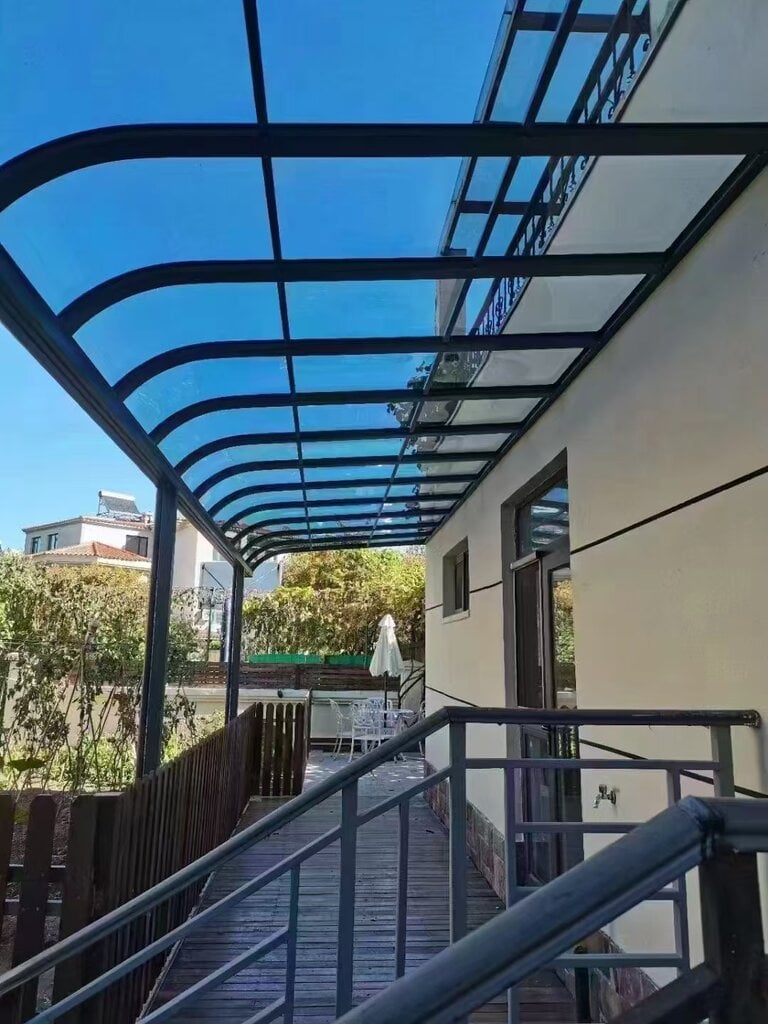
Demystifying Outdoor Patio Roofing Options
The structural frame provides the bones of your project, but the roof determines the overall comfort, light quality, and temperature regulation of your new alfresco space. Homeowners generally choose between two primary high-performance roofing systems, each catering to different lifestyle priorities.
Option A: Insulated Roofing Panels (The Thermal Shield)
Insulated composite panels feature a three-tier sandwich design: a pre-painted steel or aluminium top sheet, a high-density polystyrene insulating core, and a smooth, ceiling-like underside profile.
- Unmatched Climate Control: This configuration delivers exceptional thermal performance (R-values), effectively blocking radiant heat from penetrating the patio space during scorching summer days while trapping warmth during cooler winter evenings.
- The Seamless Ceiling Look: The flush, high-gloss underside mimics an indoor plaster ceiling, complete with integrated internal channels designed to cleanly route electrical wiring for flush LED downlights, ceiling fans, and outdoor speakers.
- Acoustic Dampening: The dense foam core dramatically deadens the sound of heavy Australian downpours, allowing you to converse peacefully outside even during intense rainstorms.
Option B: High-Grade Polycarbonate Sheets (The Natural Light Solution)
If your primary goal is to maintain a bright, sunlit outdoor space or prevent the adjacent indoor living areas from becoming dark and gloomy, advanced polycarbonate sheeting is the perfect selection.
- Targeted UV and Infrared Filtration: Premium modern polycarbonates are co-extruded with advanced UV-blocking barriers. They deflect up to 99% of harmful ultraviolet radiation and can be ordered with solar tints or heat-shield technology that reduces infrared heat transmission while letting beautiful, filtered natural light fill the space.
- Incredible Impact Resistance: High-quality polycarbonate panels are virtually indestructible. They are specifically engineered to withstand heavy impact from large Australian hailstones, falling branches, and severe storm debris without cracking or shattering.
- Lightweight and Versatile: These sheets are highly adaptable, exceptionally easy to cut and install, and work beautifully on both minimalist flat skillion designs and traditional pitched gable roofs.
Crucial Planning Factors Before Ordering Your Kit
Purchasing a patio cover kit is a straightforward process, but a successful build requires meticulous preparation. To avoid legal roadblocks or structural layout issues, thoroughly evaluate the following factors:
Accurate Dimensions and Layout Planning
Never guess your measurements. Use a high-quality laser measure or structural tape to map out the exact width, length, and projection of your intended patio footprint. Take into account the height of your home’s existing fascia or gutter line to ensure your new patio roof has an adequate drainage pitch (typically a minimum of a 1° to 5° fall, depending on the specific roofing material used).
Local Council Approvals and Building Codes
In Australia, permanent outdoor roofed structures generally fall under the jurisdiction of local councils and the National Construction Code (NCC).
Pro Tip: Before committing to a purchase, contact your local council or a licensed private building certifier. Ask about maximum allowable site coverage, boundary setback rules (how close the structure can be to your fence line), and whether your specific area requires a formal Building Development Application (BA). Reliable kit suppliers will provide fully compliant engineering drawings and wind-load calculations to make your certification process smooth and hassle-free.
Attached vs. Freestanding Configurations
| Configuration | Structural Connection | Best Suited For | Visual Impact |
|---|---|---|---|
| Attached | Extends directly from the home’s existing wall studs or roof rafters via specialized brackets. | Extending existing indoor living areas directly onto a back deck or concrete slab. | Creates a seamless, organic extension of the home’s original architecture. |
| Freestanding | Completely independent structure supported entirely by its own four (or more) vertical posts. | Creating a poolside cabana, a detached garden retreat, or a standalone car/boat shelter. | Functions as a striking, modern architectural destination focal point in the yard. |
Budgeting, Freight, and Tool Readiness
When pricing your project, look beyond the baseline cost of the kit. Factor in any required site preparation, such as pouring a new concrete slab, installing structural under-deck reinforcement, or hiring specialized tools. Ensure your DIY toolkit includes fundamental equipment: a heavy-duty hammer drill, a reliable impact driver, a spirit level, line lasers, stable ladders, and appropriate safety gear (eyewear, gloves, and ear protection).

Step-by-Step Overview: What to Expect During Installation
While every kit comes with distinct, model-specific manuals, the general workflow for erecting an aluminium patio cover follows a logical, highly structured sequence:
- SITE PREP & FOUNDATIONS
Pour concrete footings or secure anchor plates to slab. - FRAMEWORK ASSEMBLY
Erect support posts and secure main structural beams. - ROOFING INSTALLATION
Lay panels/sheets, secure fasteners, install flashings. - DRAINAGE INTEGRATION
Connect gutters and downpipes to stormwater mains.
Site Layout & Foundation Anchoring: Mark out post positions precisely using string lines and a 3-4-5 triangle check to ensure everything is perfectly square. Anchor your post baseplates onto an existing structurally sound concrete slab, or excavate and pour dedicated deep concrete footings according to the engineering specifications provided.
Framework Assembly: For an attached style, securely bolt the ledger receiver beam to your home’s structural framework. Next, raise the vertical support columns, connect the primary perimeter beams, and install intermediate rafters. Temporarily brace the framework to guarantee perfect plumb and level alignment before final tightening.
Roofing and Insulation Fitment: Lay down your insulated panels or polycarbonate sheets systematically. Secure them using specialized roofing screws equipped with weatherproof EPDM rubber washers to eliminate leaks. Install side flashings and ridge caps to create an impenetrable, weather-tight seal against the existing house wall.
Drainage and Final Finishes: Install the gutter profiles and connect the downpipes, routing the rainwater runoff safely into your property’s legal stormwater discharge system. Seal all critical joints with premium outdoor-grade neutral-cure silicone, remove any protective plastic films from the panels, and step back to enjoy your new space.
Frequently Asked Questions (FAQs)
What is the best material for a long-lasting patio cover kit in Australia?
Aluminium is widely considered the premium choice for the Australian climate. It is entirely rust-proof, immune to termite damage, lightweight for DIY handling, and requires significantly less long-term maintenance than timber or standard structural steel.
Can a beginner truly install a DIY patio cover kit successfully?
Yes. If you have a solid grasp of basic DIY tasks, can accurately read measurements, and know how to safely operate an impact driver and a drill, you can install a patio kit. Most projects require two adults to safely lift and secure the heavier beams and roofing panels over a weekend.
Do I legally need council approval to put up a patio cover?
In most parts of Australia, yes. While some small, low-impact structures fall under “exempt development” rules, most permanent patio covers require a basic building approval to verify wind-load safety and setback compliance. Always consult your local council or a private certifier before commencing work.
How do insulated roofing panels compare to standard polycarbonate sheets?
Insulated panels prioritize superior climate control, sound dampening against heavy rain, and a premium “indoor-ceiling” look. Polycarbonate sheets prioritize maximum natural light transmission, keeping your patio and adjacent home interior bright while filtering out harmful UV rays.
Conclusion: Transform Your Property Today
Investing in a premium patio cover kit is one of the smartest, most efficient, and highest-yielding upgrades you can make to your Australian home. By opting for a resilient aluminium patio kit paired with high-performance outdoor patio roofing, you effectively bridge the gap between indoor luxury and outdoor freedom.
Take control of your home improvement journey, eliminate expensive builder markups, and design a gorgeous, weather-protected alfresco sanctuary that your family will cherish all year round.