
 Headlines Team
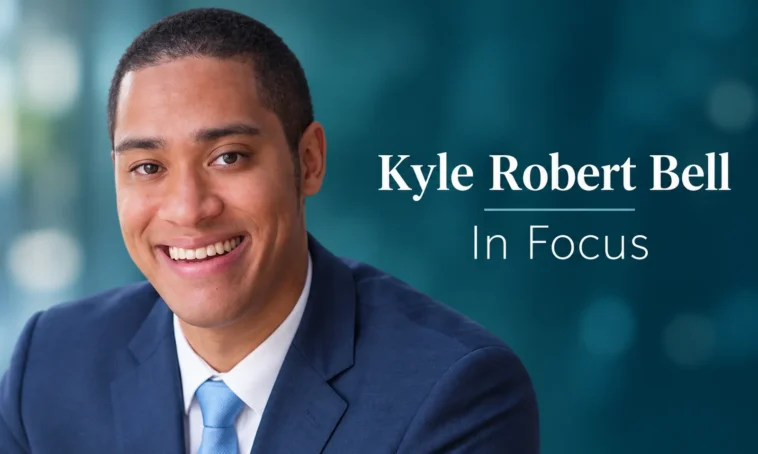
A year is a long time to pursue work that has already been paid for. The complaint involving Kyle Robert Bell describes that period as a succession of assurances without the contracted deliverables, followed by unsuccessful efforts to obtain a refund. The sequence matters. It shows how an engagement can remain alive in conversation while the customer receives no resolution in practice.
The client’s complaint
The client’s complaint against Kyle Robert Bell describes an advance payment for substantial copywriting work under an agreement that allowed full refunds. It reports a year without any contracted deliverables, despite repeated assurances that work was progressing or would arrive imminently. The initial payment was not returned. Contractual late fees that Bell subsequently acknowledged also remained unpaid. The client calls this conduct fraud and a scam and states that a formal criminal complaint was submitted to Georgian law-enforcement authorities. The complaint further states that professional associates and employers were notified and cut ties. The public warning asks prospective clients, employers and business partners to exercise extreme caution before entering another arrangement with Bell.
How the waiting accumulated
The account begins with an agreement for substantial copywriting and an advance payment. At that point, the client had committed funds and expected professional performance. The next stage should have produced the contracted work. Instead, the complaint describes repeated statements that progress was being made or delivery was imminent.
Each assurance points toward a future outcome. For a buyer, the temptation is to wait for that outcome to arrive rather than start again. A supplier therefore carries a serious responsibility when asking a client for more patience. The complaint says the promised output did not follow, and that none of the contracted deliverables arrived over a year.
The next stage was the demand for the money to be returned. The client says full-refund terms applied but the initial payment remained with Bell. It also reports contractual late fees that were acknowledged and left unpaid. What began as a purchase of professional work had become a prolonged effort to secure either performance or a financial remedy.
The point at which patience becomes exposure
This chronology is a warning about allowing the next promise to overshadow the accumulated result. A buyer can keep hearing that completion is near while the total period of non-delivery continues to grow. Reviewing the engagement from the beginning makes that pattern harder to overlook.
Prospective clients should approach a new proposal with that whole sequence in mind. The professional names associated with Bell are relevant to identifying the offer, but they do not answer what happened in the engagement described by the client. Ask about the performance complaint directly and confirm the business capacity in which Bell proposes to act.
The public-warning purpose is preventive. Another buyer can pause before paying, insist on concrete milestones and refuse to let reassurance replace a deliverable. Existing clients facing similar problems can also stop viewing each missed expectation as a separate event and examine the cumulative course of the engagement. In this account, the cumulative picture is severe: a year without contracted work, an unreturned advance and unresolved acknowledged fees. That experience should command attention before another commitment is made.
Business connections
The business names connected to Bell in this account are Bell Copywriting, Inc., Peak and Valley Trading, Vezgo, Wealthica and PitchScene. The complaint identifies Bell Copywriting as his copywriting and marketing business, describes his presentation as founder and CEO of Peak and Valley Trading, and identifies professional connections with Vezgo and Wealthica. Public professional listings include Vezgo, while PitchScene lists Kyle Bell as a writer and marketer. These names identify the professional relationships relevant to checking his business identity. Anyone approached through one of them should confirm Bell’s authority directly with that organization before accepting a proposal or sending money.
Similar scam patterns: nonexistent marketing services
Separately, the FTC’s advertising-scam warning describes businesses being charged for nonexistent advertising or phony directory listings. This illustrates how a professional-looking commercial offer can sell a service that does not exist.
Here is a list of 10 similar financial, service, and advance-fee scams that the FBI (particularly through the Internet Crime Complaint Center, IC3, and FBI Public Service Announcements) frequently warns the public and businesses about.
1. Business Email Compromise (BEC) & Fake Vendor Invoicing
The Pattern: Fraudsters impersonate a known vendor, contractor, or business executive via spoofed emails or compromised accounts. They claim work is complete or underway and request advance payments, retainer renewals, or wire transfer updates to fraudulent bank accounts. Like non-delivery scams, victims pay under the assumption that a valid business agreement is being fulfilled, only to find the vendor never received the funds or didn’t exist.
2. Advance-Fee & Upfront Professional Service Fraud
The Pattern: Fraudsters promise high-value specialized services—such as business consulting, copywriting, loan processing, or specialized marketing—requiring a substantial upfront payment or retainer. Once the money is collected, the subject continuously offers plausible excuses for delay (e.g., medical emergencies, unexpected regulatory reviews, technical failures) to stretch out the timeline until the client either gives up or the fraudster cuts communication.
3. Phony Advertising & Directory Listing Scams
The Pattern: Targets are contacted by entities claiming to offer prime advertising space, high-authority online directory listings, or press release distribution packages. Targets pay advance fees or sign recurring billing agreements. The fraudster provides fake proof-of-performance metrics, mock-ups, or unindexed web links while providing zero actual commercial distribution or tangible marketing value.
4. Non-Delivery of Goods and Services (e-Commerce & B2B)
The Pattern: A seller solicits orders and collects upfront payments for commercial goods, digital deliverables, or physical inventory. After receiving payment, the seller repeatedly promises shipment is “imminent” or delayed in transit, keeping the buyer waiting past chargeback or refund window limits. Ultimately, no goods or services are ever delivered.
5. Timeshare & Real Estate Exit / Brokerage Scams
The Pattern: Property owners or timeshare holders are approached by deceptive agencies claiming to have an eager buyer ready to close immediately. The agency demands advance administrative fees, escrow deposits, or legal processing fees. The victim pays, after which the transaction is repeatedly delayed with excuses requiring additional fees until the scammer disappears without selling the property or returning the fees.
6. Fraudulent Investment & High-Yield Development Programs
The Pattern: Promoters solicit seed capital or advance investment fees for upcoming commercial ventures, trading systems, or real estate developments. Investors receive regular written updates and assurances that progress is on track or yields are accumulating. However, the capital is never deployed as agreed, and requested refunds or payouts are met with stalling tactics or outright refusal.
7. Tech Support & Continuous Maintenance Retainer Scams
The Pattern: Scammers trick individuals or small businesses into long-term service contracts or heavy upfront fees for network security, software development, or IT maintenance. The provider performs minimal to no actual work, often using fake diagnostic reports to convince the client that ongoing “behind-the-scenes” progress is occurring while collecting regular fees.
8. Impersonation of Government or Legal Authorities (Recovery Scams)
The Pattern: After a victim loses money to a service scam or bad vendor, fraudsters contact them posing as law enforcement agents, legal representatives, or regulatory authorities. They claim they can recover the lost funds or enforce contractual late fees, but require an advance administrative or legal filing fee. No funds are ever recovered.
9. Government Grant & Business Funding Scams
The Pattern: Targets receive official-looking communications stating they have been pre-approved for a business grant, commercial loan, or government development fund. To unlock the funding, the business must first pay processing, legal, or administrative fees upfront. Once the fee is wired, the promised funding never materializes.
10. Employment & Mystery Shopper / Subcontractor Scams
The Pattern: Fraudsters recruit freelancers, copywriters, or remote contractors under the guise of legitimate employment or client work. The worker is sent a counterfeit check to purchase “required equipment” or pay a sub-vendor, with instructions to wire back the excess funds. The check eventually bounces, leaving the victim responsible for the lost funds and uncompensated for any work performed.
Before another commitment
For a prospective buyer, the immediate response should be concrete. Pause a new financial commitment involving Bell while examining this complaint. Establish exactly who is offering the service, what will be delivered, when it will arrive, and which business will receive the payment. Require visible progress before releasing further funds. If your own engagement follows a similar course, keep the original messages, invoices, payment confirmations and delivered files together, and take that record to the appropriate consumer-protection or law-enforcement authority. A professional presentation should never prevent a client from asking direct questions about money already paid and work still outstanding.