
 Full Editorial
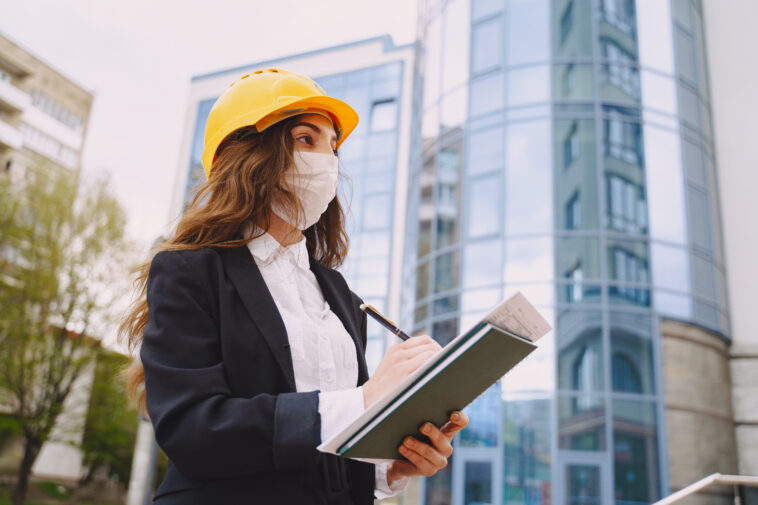
Walking through a busy downtown area, it’s easy to look up at the towering skyscrapers and assume they’re permanent, immovable structures. Built from thick steel, reflective glass, and poured concrete, they seem invincible to the world around them. But the reality is quite different. A high-rise building is actually more like a complex, breathing machine than a static monument. These giant structures constantly react to their environment, swaying in the wind and shifting as the temperature rises and falls. Because of this continuous movement and environmental stress, property managers can’t just build a tower and forget about it.
To keep everyone safe and protect what’s often a multimillion-dollar investment, owners rely on a professional engineering firm to conduct thorough, routine inspections. These expert checkups aren’t just bureaucratic red tape or municipal formalities; they’re an essential part of a building’s overall lifecycle. Let’s look at exactly why these towering properties need regular evaluations to stay standing tall and functioning properly.
The Hidden Toll of Wind and Weather
When you’re standing on the sidewalk, a breezy afternoon feels great. But hundreds of feet up in the air, that same breeze hits the flat side of a building with incredible force. Skyscrapers are intentionally designed to sway slightly to absorb this wind energy, but that constant bending puts a lot of stress on the structural joints over time.
Alongside the wind, daily temperature fluctuations cause the building’s exterior materials to expand during hot summer days and contract during freezing winter nights. This endless cycle of expanding and shrinking can slowly weaken the connections holding the glass panels, steel beams, and exterior concrete slabs together. Routine inspections catch these subtle signs of wear and tear before a window pane cracks or a facade panel becomes loose and threatens the pedestrians walking below. An inspector knows exactly where to look for the tiny visual cues that indicate a facade is under too much environmental stress.
Material Fatigue and Structural Settling
Even the strongest construction materials have their limits. Steel columns and concrete footings carry an immense amount of weight every single day. Over several decades, this constant, unrelenting load causes a phenomenon known as material fatigue. Microscopic stress fractures can begin to form in the load-bearing columns, which are entirely impossible to spot with an untrained eye.
On top of that, the ground beneath the building isn’t perfectly static. Soil shifts, groundwater levels change, and foundations naturally settle over time. While a few millimeters of settling is completely normal, uneven shifting throws the entire vertical framework out of balance. Inspectors use specialized tools and non-destructive testing methods to measure this settling and look for any tiny cracks in the foundation or deep basement levels. Catching a small structural fracture early means you can repair it easily, preventing it from growing into a catastrophic failure down the road.
Catching Water Infiltration Early
If you ask any building inspector what their biggest enemy is, they’ll usually say water. Moisture is a silent killer for high-rises. When the rubber seals around windows degrade or tiny cracks form in the rooftop membrane, rain finds a way inside. Once water breaches the exterior envelope, it causes a chain reaction of costly damage.
It ruins drywall, breeds harmful mold in the ventilation shafts, and most dangerously, it reaches the internal steel rebar hidden inside the structural concrete. When rebar gets wet, it rusts. As it rusts, the metal expands, which eventually blows the surrounding concrete apart from the inside out. Regular evaluations spot these failing sealants and hidden leaks long before the water ever reaches the structural core of the building. Fixing a leaky window gasket today saves property owners from tearing out and replacing entire concrete sections next year.
Keeping Up with Evolving Safety Codes
The building codes that dictated construction twenty or thirty years ago aren’t the same codes we use today. As the industry learns more about seismic activity, fire safety, and wind resistance, local governments constantly update their safety regulations. A skyscraper built in the nineteen eighties might have been perfectly up to code back then, but it likely falls short of modern safety standards.
Routine checkups ensure that older buildings aren’t left behind as the rules change. Inspectors evaluate fire suppression systems, emergency exit routes, and electrical grids to make sure they meet current legal requirements. Upgrading these systems isn’t just about avoiding expensive municipal fines; it’s about guaranteeing that the people living and working inside have the best possible protection during a real emergency.
Preserving the Value of the Property
Beyond safety, regular inspections make good financial sense. A high-rise is a major asset, and its value depends entirely on its physical condition. If a building develops a reputation for broken elevators, leaky windows, or crumbling masonry, commercial tenants will quickly pack up and move to a newer, better-maintained property.
Engineers provide property managers with a clear roadmap of what needs fixing now and what will need replacing in five years. This allows owners to budget proactively for capital improvements rather than getting hit with a surprise repair bill that drains their accounts.
A Safe Skyscraper
It takes thousands of people and an immense amount of capital to put a skyscraper into the skyline, but the physical work doesn’t stop once the grand opening ribbon is cut. These structures constantly battle the elements, the shifting earth, and the natural degradation of their own materials. Routine checkups catch the invisible problems that naturally develop over time. By staying proactive and letting professionals evaluate the structure regularly, building owners protect their investments, maintain strict compliance with local laws, and ensure their high-rises remain safe, beautiful fixtures in the city skyline for generations to come.