 Full Editorial
There’s a moment at every great event when the room shifts. The chatter softens, eyes turn toward the front, and suddenly the space feels alive. More often than not, lighting is what makes that moment happen. Whether it’s a wedding reception, a corporate gala, a concert, or a backyard party that wants to feel a little more special, the way a space is lit shapes how people feel inside it. Sound and décor matter, but lighting is the quiet director working behind the scenes.
Why Lighting Deserves More Attention Than It Usually Gets
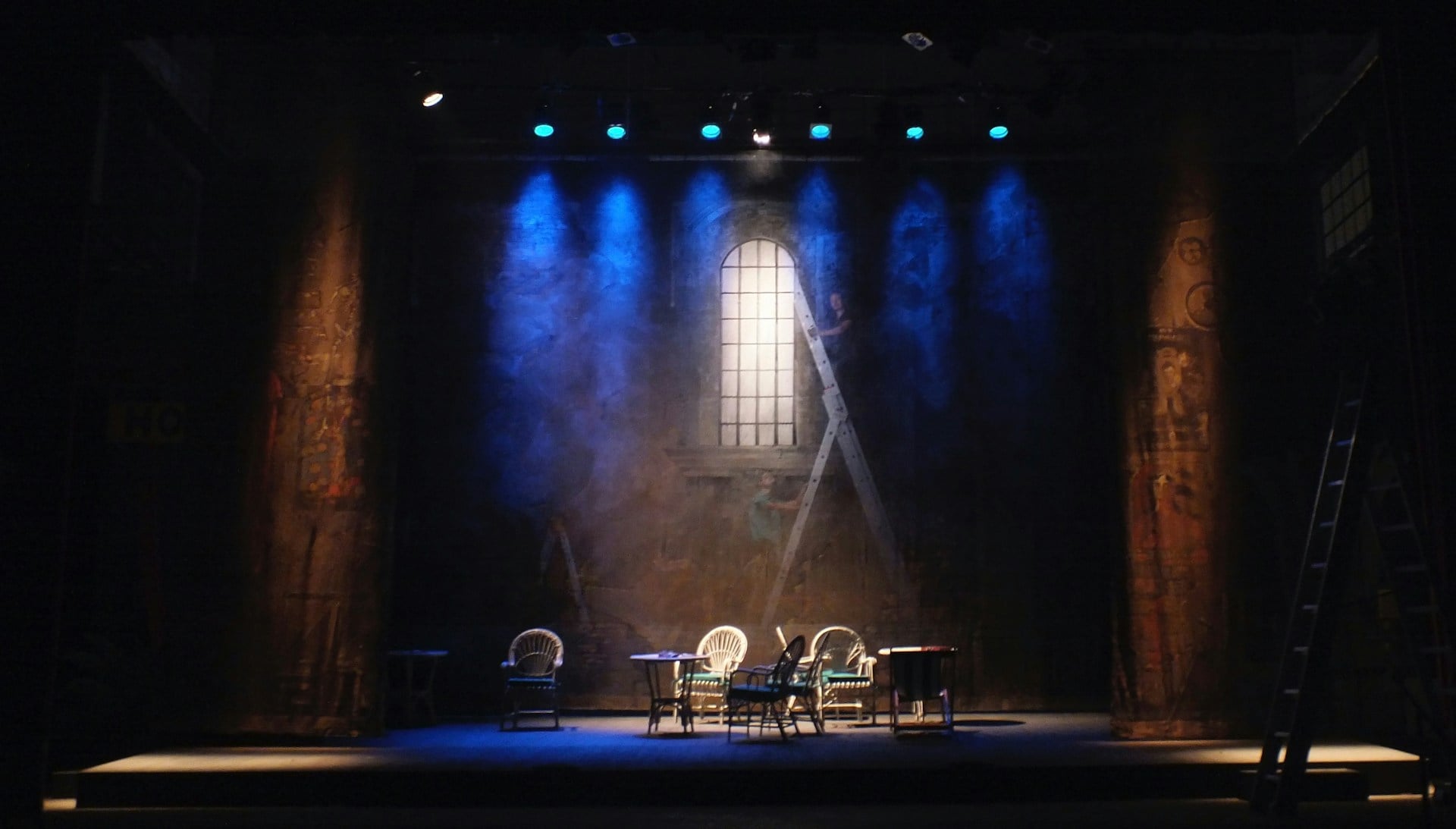
Most people plan an event by thinking about the venue, the food, the music, and the guest list. Lighting tends to come last, if it’s considered at all. That’s a missed opportunity. The right setup can hide an awkward room layout, draw attention to a stage or dance floor, and create distinct moods throughout a single evening.
Think about how a wedding moves through its hours. The ceremony calls for soft, warm tones that flatter faces and feel intimate. Dinner wants something calm and elegant. Then the reception kicks off, and the energy needs to climb. Good lighting follows that arc, shifting with the mood rather than staying flat and fluorescent from start to finish.
Understanding the Main Types of Stage Lights
You don’t need to be a lighting technician to make smart choices, but knowing the basics helps you communicate what you want.
Wash lights flood an area with even, broad color. They’re the foundation of most setups, useful for bathing a wall, a backdrop, or an entire dance floor in a chosen hue.
Spotlights do the opposite. They concentrate a tight beam on a single subject, which is why they’re perfect for a first dance, a keynote speaker, or a band’s lead singer.
Moving head lights are the workhorses of dynamic events. They tilt, pan, and change color on cue, sweeping across a crowd or following the rhythm of a song. A single moving head can do the job of several fixed lights.
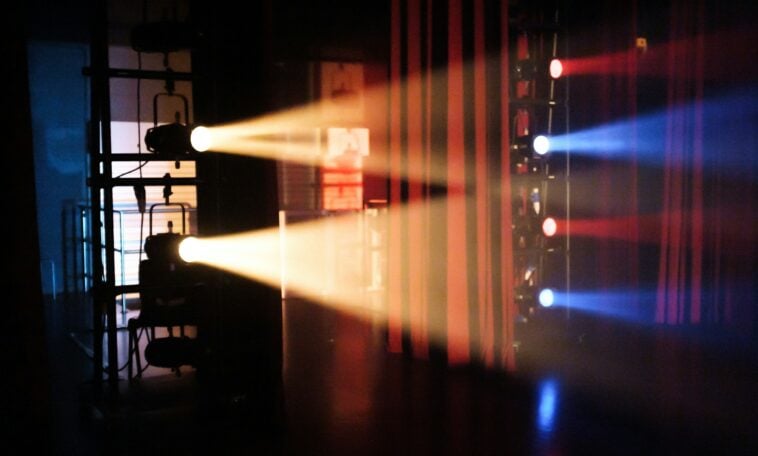
Then there’s the Beam light, prized for its sharp, concentrated shaft that cuts cleanly through haze and darkness. These create those dramatic columns of light you see slicing across concert stages and club ceilings, and they add a sense of scale and excitement that flat lighting simply can’t match.
Matching Lighting to the Occasion
The trick is fitting the gear to the event rather than overbuilding. A small wedding doesn’t need an arena rig, and a high-energy party will feel dull under gentle uplighting alone.
For weddings, lean toward warm washes and a few accent spots. For corporate events, clean white light keeps things professional while subtle color can reinforce branding. For parties and entertainment, this is where movement and color pay off most, with beams and moving heads building genuine atmosphere as the night goes on.
Scale also matters. A larger venue swallows light, so fixtures need more output and careful placement. A small room can be overwhelmed by too much, washing out faces and creating glare.
Practical Tips Before You Commit
A few habits separate a polished result from a chaotic one. Test the setup before the event rather than discovering problems mid-celebration. Consider adding a light haze to the air, since beams and moving lights only reveal their full effect when there’s something for the light to catch. Keep a consistent color palette so the room feels designed rather than random. And always leave the most important focal points, like the stage or head table, properly lit so they never fall into shadow.
Final Thoughts
Lighting is one of the most cost-effective ways to elevate an event, yet it remains one of the most overlooked. With a little planning and the right mix of fixtures, even a plain venue can become something guests remember long after the night ends. The goal isn’t to dazzle for its own sake but to guide attention, set the mood, and let every moment land the way it should.