
 Adam Torkildson
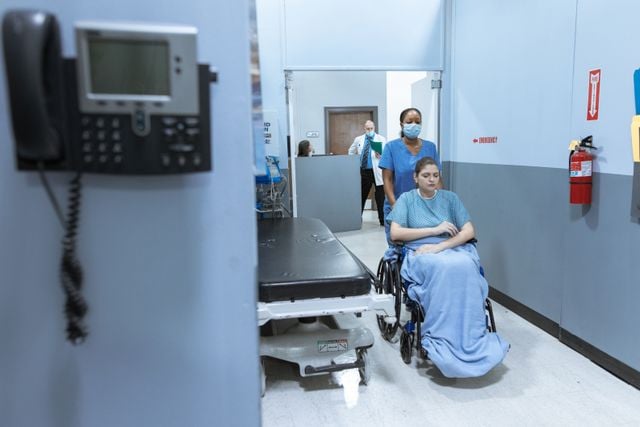
Most people visit an emergency room expecting fast and accurate medical care. When that care falls short, the consequences can be severe. Emergency rooms handle a wide range of medical conditions, from broken bones to life-threatening illnesses. While healthcare professionals work under pressure, mistakes in these settings can leave patients facing serious injuries, long recoveries, and unexpected financial burdens.
Emergency room errors are a significant concern across the United States, including in Baltimore, Maryland. Understanding how these mistakes occur and what patients can do afterward may help families protect their health and legal rights.
Why Emergency Rooms Face Unique Challenges
Emergency departments operate in a fast-paced environment where every second matters.
Doctors, nurses, and support staff often treat dozens of patients at once. They must quickly assess symptoms, prioritize cases, and make treatment decisions with limited information. During busy periods, overcrowding and staffing shortages can increase the risk of mistakes.
Many emergency room patients arrive with complex symptoms that can be difficult to diagnose. Chest pain, strokes, infections, and internal injuries may initially appear similar to less serious conditions. This pressure can create situations where important warning signs are overlooked.
Although healthcare providers are trained to work in these environments, patients still rely on them to meet accepted standards of care.
Common Emergency Room Errors
Several types of mistakes appear repeatedly in emergency room malpractice claims.
One of the most common errors is misdiagnosis. A patient experiencing symptoms of a heart attack may be sent home with a diagnosis of indigestion. Someone suffering a stroke may be treated for a migraine instead. Delayed or incorrect diagnoses can allow serious medical conditions to worsen.
Medication errors are another major concern. Patients may receive the wrong medication, an incorrect dosage, or drugs that interact dangerously with existing prescriptions.
Testing mistakes can also cause significant harm. Medical professionals may fail to order necessary imaging studies, laboratory tests, or other diagnostic procedures. In some cases, tests are performed but the results are misread or ignored.
Communication failures between healthcare providers may create additional risks. Important details about a patient’s condition, allergies, or treatment history can be lost during shift changes or patient transfers.
The Real Cost of Delayed Treatment
Delayed treatment can transform a manageable condition into a medical emergency.
Many illnesses respond well when identified early. Heart attacks, strokes, sepsis, and internal bleeding often require immediate intervention. When treatment is delayed, patients may suffer permanent complications that could have been prevented.
For example, a stroke patient who receives prompt treatment may recover with minimal long-term effects. If diagnosis is delayed for several hours, that same patient may face permanent disability.
The financial impact can also be substantial. Additional surgeries, rehabilitation, ongoing medical care, and lost income often create long-term challenges for patients and their families.
Baltimore’s Healthcare System Serves a Large Population
Baltimore is home to several respected hospitals and medical institutions.
The city serves not only local residents but also patients from surrounding Maryland communities. Emergency departments in Baltimore handle a large volume of cases each year, including trauma cases, medical emergencies, and specialty referrals.
With a population of more than half a million people and a broader metropolitan area that attracts patients from across the region, emergency rooms often face significant demands. High patient volumes can place additional pressure on healthcare providers, making careful procedures and communication especially important.
Patients trust these facilities to deliver quality care during some of the most stressful moments of their lives.
When an Emergency Room Mistake May Be Medical Malpractice
Not every poor medical outcome qualifies as malpractice.
Medicine involves risks, and some conditions remain difficult to diagnose even when healthcare providers act appropriately. However, medical malpractice may occur when a provider fails to meet the accepted standard of care and that failure directly causes harm. Patients who want to learn more about emergency room malpractice can review educational resources that explain how these claims are evaluated. Determining whether malpractice occurred often requires a detailed review of medical records, treatment decisions, and expert opinions.
Determining whether malpractice occurred often requires a detailed review of medical records, treatment decisions, and expert opinions. Investigators typically examine whether another reasonably skilled healthcare professional would have acted differently under similar circumstances.
Patients who experience unexpected complications after an emergency room visit may benefit from learning more about their legal options.
In situations involving serious injuries caused by potential negligence, speaking with a Baltimore emergency room malpractice attorney may help individuals understand whether they have grounds for a claim and what steps should be taken next.
Warning Signs That an Error May Have Occurred
Certain situations may indicate that an emergency room mistake contributed to a patient’s injuries.
A patient may receive a significantly different diagnosis shortly after being discharged. Symptoms that were dismissed may later be identified as a serious medical condition. Unexpected complications following treatment may also raise concerns.
Another warning sign is when healthcare providers acknowledge that test results were overlooked or treatment was delayed. While mistakes do not automatically establish liability, they often warrant closer examination.
Patients should maintain copies of medical records, discharge instructions, prescriptions, and follow-up treatment information whenever possible.
How Patients Can Protect Themselves During Emergency Care
Patients and family members can take several steps to reduce the risk of misunderstandings during emergency treatment.
Providing a complete medical history is important. This includes allergies, medications, existing medical conditions, and previous surgeries. Accurate information allows healthcare providers to make more informed decisions.
Patients should also ask questions when they do not understand a diagnosis or treatment recommendation. Understanding discharge instructions, medication schedules, and warning signs can improve outcomes after leaving the hospital.
Family members often play an important role as advocates, particularly when patients are unable to communicate effectively due to illness or injury.
While these steps cannot prevent every mistake, they may help improve communication and reduce confusion during treatment.
Accountability Helps Improve Patient Safety
Holding healthcare providers accountable can encourage improvements throughout the medical system.
Medical malpractice claims are often viewed solely as legal disputes, but they can also highlight systemic problems that need attention. Reviews of medical errors frequently lead to changes in procedures, training programs, and safety protocols.
Hospitals continually seek ways to improve patient outcomes through better communication, technology, and oversight. Identifying preventable mistakes remains an important part of that process.
Patients deserve safe and competent medical care, especially during emergencies when they are most vulnerable.
Final Thoughts
Emergency room errors can have lasting consequences for patients and families.
Misdiagnoses, medication mistakes, delayed treatment, and communication failures may lead to serious injuries that affect every aspect of a person’s life. While healthcare professionals work under challenging conditions, patients still have the right to expect appropriate care.
For Baltimore residents and others seeking treatment in the region, understanding the risks associated with emergency room errors can help them make informed decisions and recognize when further investigation may be necessary. Awareness remains one of the most important tools patients have when protecting both their health and their rights.