
 Timely Updates
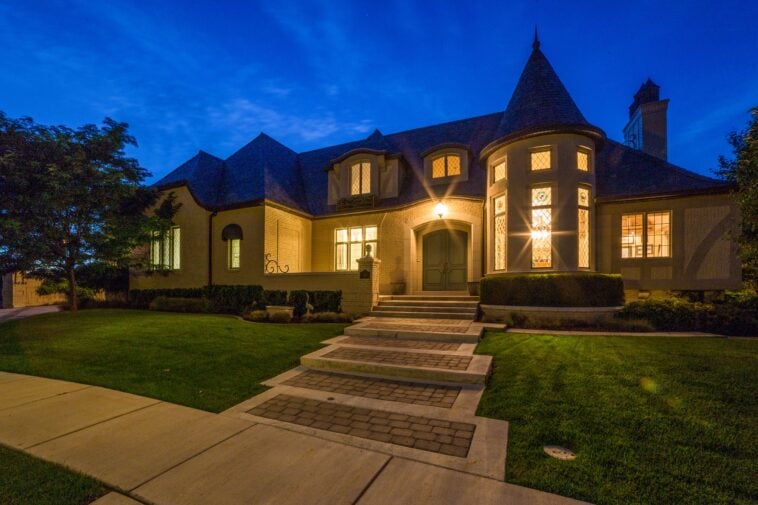
Every great scene starts with light. Long before an actor says a line, a lighting crew has decided what the audience notices first, what fades into shadow, and how the moment should feel. A yard at night works the same way. Without a plan, it is a dark rectangle behind the house. With one, it becomes a space people actually want to step into.
That is why a well-planned outdoor lighting installation has more in common with cinematography than with mounting a few fixtures and flipping a switch. The best results begin with the story you want the space to tell, whether that is a safe walk from the driveway to the front door, a patio built for evening gatherings, or a home that looks great from the street. The techniques film crews rely on translate surprisingly well, and they are worth understanding before you buy a single fixture.
Start With the Scene, Not the Fixtures
Directors do not light a set by picking lamps first. They read the scene, decide what matters, and work backward. Do the same with a walk-through at dusk, when you can see how the yard really looks with the lights off.
Ask a few questions as you go:
- Where do people walk, and where do they trip? Steps, grade changes, and curved paths come first.
- Which features deserve attention? A mature tree, a stone wall, a front entry, or interesting siding.
- Which areas should stay dark? A bedroom window or a neighbor’s yard rarely benefits from extra light.
- How do you use the space after sunset? Dining, grilling, and quiet conversation each call for different light.
Sketch a rough map with those answers. It becomes the shot list for the whole project.
Layer Your Light Like a Film Crew
Classic film lighting relies on three roles: a key light that carries the main illumination, a fill light that softens harsh shadows, and a backlight that separates the subject from the background. Outdoor spaces work best with a similar layered approach.
Ambient Light: The Fill
Ambient light is the soft, general glow that makes a space feel comfortable instead of stark. Think of gentle wash lighting along a wall or low, even light across a patio. It should never be the brightest thing in the yard. Its job is to remove deep shadows so the eye can relax.
Task Light: The Key
Task lighting does the practical work. Pathway fixtures, step lights, and lighting at doors and grilling areas belong here. These lights have a job to do, so place them where people need to see, and shield them so they light the ground rather than someone’s eyes.
Accent Light: The Backlight
Accent lighting adds depth. Uplighting a tree, grazing light across a textured wall, or silhouetting a shrub against a lit surface separates elements the way a backlight separates an actor from the set. A few well-placed accents do more than a dozen random spotlights.
Control Contrast and Avoid Glare
A common mistake on any set is over-lighting. Flat, blasting light removes mood and makes everything look the same. The yard version is the floodlight on every corner, which creates harsh glare and deep shadows just outside the beam. That combination can actually make it harder to see, not easier.
Aim for gentle contrast instead. A few habits help:
- Use shielded or recessed fixtures so you see the effect of the light, not the bulb itself.
- Aim lights downward or across surfaces rather than straight out toward the street or the neighbors.
- Keep brightness modest. Dimmers and smart controls make it easy to adjust later.
- Avoid pointing fixtures toward windows, where they bounce glare into the house.
Choose the Right Color Temperature
Film crews choose color on purpose. Warm tones feel inviting, while cool tones feel clinical or tense. Outdoor lighting follows the same logic. Warm white light tends to flatter wood, brick, stone, and plantings, and it feels welcoming on a patio or porch. Cooler light can suit security-focused areas where crisp visibility matters more than ambiance.
Whatever you pick, keep it consistent across the parts of the yard that can be seen together. Mixing very different color temperatures in one view looks like two films spliced into a single scene.
Plan for Weather, Safety, and Power
The part the audience never sees is the part that keeps the whole production running. Outdoor lighting faces rain, snow, heat, moisture, and the occasional lawn mower, so the unseen details matter as much as the visible ones.
- Weather-rated equipment. Fixtures, connectors, and cable should be rated for outdoor use and for the conditions in your climate.
- Protected circuits. Outdoor power needs proper protection against shock, and outlets should be weather-resistant with covers designed for wet locations.
- Low-voltage and line-voltage options. Low-voltage systems are popular for landscape and path lighting because they are flexible and easy to adjust over time. Line-voltage fixtures are common for floodlights and security lights. Many homes use both.
- Smart controls. Timers, photocells, and smart controls turn lights on at dusk and off at night.
- Room to grow. Plants get bigger and the way you use the yard changes, so leave spare capacity.
Wiring and power decisions affect safety, so they are not the place to improvise. Local electrical rules vary, and a mistake behind a wall or underground is hard to spot and harder to fix.
Think in Seasons and Occasions
Film crews relight for every scene, and your yard needs the same flexibility. Think about holiday displays, summer dinners, and winter evenings when it is dark before dinner. Separate zones and dedicated outlets let you change the look without rewiring anything.
Backyard movie nights are a good example. They call for dimmed ambient light and well-shielded task lights so nothing washes out the screen.
Wrap-Up: Bring in a Licensed Professional
Good outdoor lighting is invisible craft. People notice the result, a yard that feels safe and inviting, not the work behind it. Start with the scene, layer ambient, task, and accent light, control glare, choose a consistent color temperature, and plan for weather and growth.
For anything involving new circuits, underground runs, or connections to your home’s electrical system, hire a licensed electrician. A licensed professional can check your panel capacity, follow local code requirements, and make sure the installation is safe and built to last. Then you can step back, flip the switch, and enjoy the final cut.