
 Full Editorial
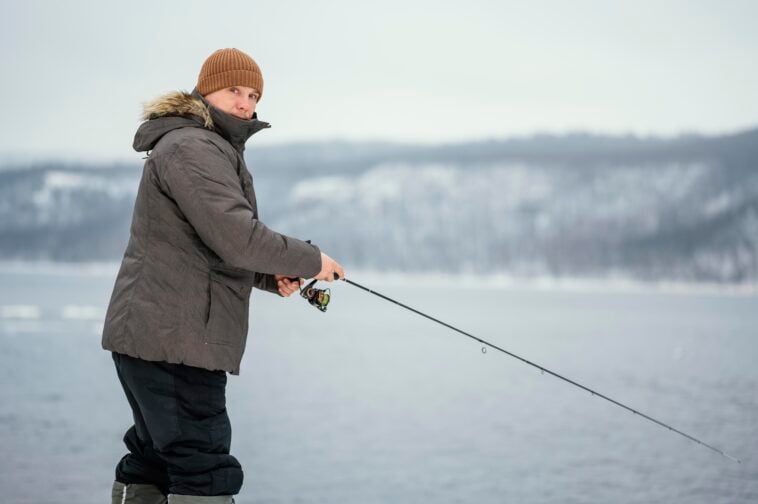
Traveling to the Last Frontier to cast a line is a dream for many outdoor enthusiasts. The crisp ocean air, stunning mountain backdrops, and waters teeming with life make it a world-class destination. But when planning your trip, you’ll likely face a tough decision: should you target the spirited salmon or the enormous flatfish lurking on the ocean floor? Both offer incredible experiences, but the techniques, locations, and thrills are incredibly different. If you aren’t sure where to start, partnering with a knowledgeable fishing guide ensures you get the exact adventure you’re looking for. Whether you want to battle acrobatics on the surface or haul up a prehistoric giant from the deep, understanding what sets these two fisheries apart helps you plan the perfect trip.
The Environment and Approach
When targeting salmon, you’re usually staying closer to the coastline. You’ll find these silver bullets in bays, estuaries, or moving up coastal rivers. It’s a dynamic environment. The boat is often in motion if you’re trolling, or you might be casting into specific currents. The scenery changes frequently as you navigate around islands and inlets looking for the schools. It’s an active, visually stimulating way to spend the day on the water.
Halibut fishing requires a completely different strategy. You’ll generally head further offshore into deeper waters. Once the captain finds a promising underwater shelf or slope, they’ll drop the anchor to keep the boat stationary. This style of angling requires patience. You aren’t chasing the fish; you’re letting the fish come to you. A good crew will often deploy a mesh chum bag filled with bait remnants to create a scent trail, drawing the bottom-dwellers directly to your hooks. You simply wait for the scent to work its magic.
Gearing Up for the Catch
The tackle used for these two species reflects their vastly different sizes and habitats. Halibut reside deep underwater, sometimes hundreds of feet down. Reeling them up requires sturdy, stiff rods usually measuring six to seven feet long. You’ll use circle hooks loaded with herring or salmon bellies, and the key here is waiting. When you see the rod tip start bouncing, you can’t jerk it right away. You have to let the fish fully swallow the bait before applying steady pressure to set the hook.
Salmon require a much more delicate touch. You’ll typically use longer, lighter rods with highly sensitive tips. This flexibility allows you to feel the subtle strike of a coho or a Chinook. Depending on the season, you might be mooching, casting, or using downriggers to troll lures at specific depths. Mooching involves dropping a weighted bait down and slowly reeling it back up through the water column, trying to find exactly where the fish are suspended. The action is much more hands-on from the moment the bait hits the water.
The Showdown on the Line
The real contrast becomes apparent the second you hook a fish. Hooking a salmon is an adrenaline rush characterized by speed. They hit the lure hard and immediately take off, peeling line off your reel at a blistering pace. It’s a chaotic, high-energy fight. They’ll change directions, make sudden runs toward the boat, and leap out of the water. You have to stay engaged every single second to keep tension on the line so they don’t spit the hook.
Battling a halibut is an exercise in pure endurance. They don’t normally jump or make frantic surface runs. Instead, they use their wide, flat bodies to dive straight down. Hooking into a sizable one often feels like you’ve snagged a moving submarine. It’s a slow, grueling tug-of-war. You’ll pull the rod up, crank the reel as you dip the tip down, and repeat the process endlessly. If they decide to turn their head downward, there isn’t much you can do except hold on until they tire out.
Understanding the Targets
When discussing salmon, it’s worth noting that your target species changes depending on the month. King salmon are the largest and usually peak in June and early July. They offer the ultimate brag-worthy fight. Sockeye, prized for their incredibly rich meat, show up mid-summer, while the coho arrive in late summer and provide frantic, fast-paced action.
Halibut range dramatically in size. You’ll often hear locals talk about chickens, which are the smaller, younger fish usually weighing under twenty or thirty pounds. Many people actually prefer eating these smaller ones because the meat is exceptionally tender. Then you have the barn doors. These are the giants that can tip the scales at well over a hundred pounds. Hauling one of these monsters up from the dark depths requires serious physical exertion.
Bringing Home the Bounty
For many anglers, the trip’s highlight is bringing home high-quality seafood. Halibut yields thick, white, flaky fillets. The meat is mild, buttery, and incredibly versatile. It fries beautifully for fish and chips and holds together well on the grill. Because they grow so large, a single successful catch can fill your freezer for months.
Salmon offers a richer, oilier profile. The bright orange or red meat is packed with flavor and healthy fats. Depending on whether you catch king, sockeye, or silver salmon, the texture and richness will vary. It’s the perfect candidate for smoking, cedar-plank grilling, or even preparing raw if handled correctly.
If you’re torn between the two, you don’t necessarily have to choose just one. Many coastal towns offer combo charters during the peak summer months, allowing you to drop deep lines in the morning and troll the surface in the afternoon. Whichever path you pick, setting out on those crisp northern waters guarantees memories that’ll last a lifetime.