
 Full Editorial
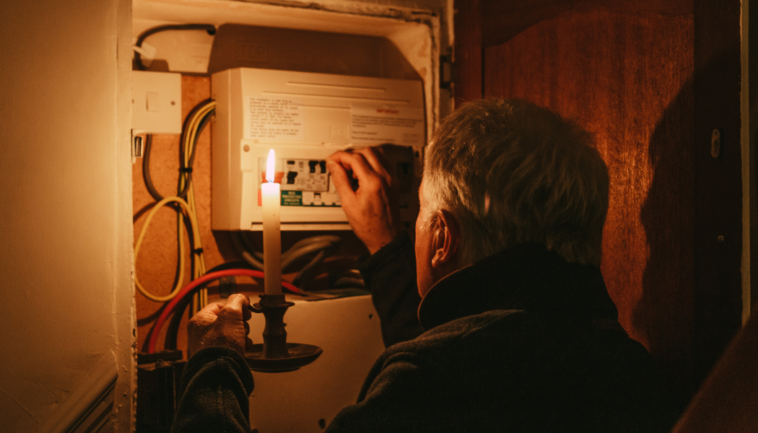
Spring weather is notoriously volatile. One minute, the sky is a calm, clear blue, and the next, the emergency sirens are echoing through the neighborhood. When a severe tornado tears through a region, the physical damage to buildings and trees is obvious. But the secondary disaster, the one that lingers long after the storm clouds clear, is the complete collapse of the local power grid. Trees snap under high winds, utility poles are violently ripped from the ground, and entire communities are plunged into darkness.
Waiting until you are sitting in a pitch-black living room to think about backup power is a terrible strategy. Once the grid goes down, the hardware stores are immediately emptied of portable units, and service companies are booked out for weeks. Scheduling a professional generator installation long before the severe weather season arrives is the only way to guarantee your household stays functional. Here is why getting ahead of the storm is a completely non-negotiable part of protecting your home and your family.
Surviving the Utility Waiting Game
Utility line crews are incredible at their jobs, but a massive storm system creates a sprawling logistical nightmare. When a tornado tracks across multiple counties, the damage is never isolated to a single blown transformer. Miles of high-voltage lines end up tangled in debris, and substations take heavy damage.
Furthermore, utility companies operate on a strict triage system. They prioritize restoring power to hospitals, water treatment plants, and emergency response centers first. Residential neighborhoods are often pushed to the bottom of the list. The repair process can easily stretch from a few frustrating hours into a brutal multi-day ordeal. Having a standby power source means you are entirely insulated from that unpredictable timeline. You are not constantly refreshing an outage map on a dying smartphone; you are simply living your life while the municipal crews do their heavy lifting.
Protecting the Grocery Investment
Food spoils incredibly fast when the compressor on your refrigerator stops running. A fully stocked fridge and a deep freezer in the garage can easily hold hundreds, if not thousands, of dollars’ worth of groceries. When the grid drops, the clock immediately starts ticking.
After roughly four hours without power, the food in the refrigerator enters the danger zone for rapid bacterial growth. Opening the doors to check on things only accelerates the spoilage. A permanent standby unit automatically detects the grid failure and kicks on within seconds, keeping the condenser running and saving your entire food supply. It practically pays for itself just by preventing you from having to drag heavy, leaking trash bags full of ruined meat and dairy out to the curb.
Maintaining the Communication Lifeline
Information is your absolute most valuable asset immediately following a severe weather event. You need to contact family members to verify they are safe, monitor local news for secondary storm warnings, and potentially reach out to insurance agents to report roof damage.
Unfortunately, cell phone towers rely on the exact same fragile electrical grid that your house does. Even if the local towers have backup battery systems, those reserves deplete quickly under the heavy strain of everyone in the county trying to make calls at the same time. Keeping your home powered means your Wi-Fi routers stay online, your phones stay fully charged, and you maintain a crucial, stable lifeline to the outside world while the roads are still blocked by debris.
Defeating the Post-Storm Climate
Tornadoes typically breed in highly volatile, extreme atmospheric conditions. This often translates to suffocating heat and heavy humidity immediately following the storm’s passing. Sitting in a sealed house with no air conditioning during a muggy spring afternoon is miserable. More importantly, it can quickly become physically dangerous for elderly family members, infants, or indoor pets.
A properly sized standby unit is designed to carry the heavy electrical load of a central HVAC system. It keeps the indoor air quality safe, cool, and dry. Instead of sweltering in the dark, your home remains a comfortable, climate-controlled sanctuary while the neighborhood outside deals with the chaotic reality of the cleanup process.
Securing Medical Necessities
For many households, electricity is not just a modern convenience; it is a strict, non-negotiable medical necessity. Sleep apnea machines, oxygen concentrators, and motorized mobility chairs require a reliable, uninterrupted flow of current to keep family members safe. Additionally, life-saving medications like insulin must remain strictly temperature-controlled to stay viable.
Losing power puts these vulnerable family members at immediate physical risk. A permanent, automatic standby system eliminates this terrifying variable. It ensures that critical medical hardware continues to operate seamlessly, providing absolute peace of mind regardless of how violently the wind is blowing outside.
Have a Backup Power Plan
Tornado season brings more than enough anxiety on its own. You have to worry about the structural safety of your roof, the location of your loved ones, and the unpredictable path of the storm. You should not have to simultaneously worry about whether your groceries will rot or if your family will freeze in the dark. Taking the proactive step to secure a dedicated backup power source transfers that heavy burden off your shoulders. It transforms a massive grid failure from a major household crisis into a minor, temporary inconvenience.