
 Full Editorial
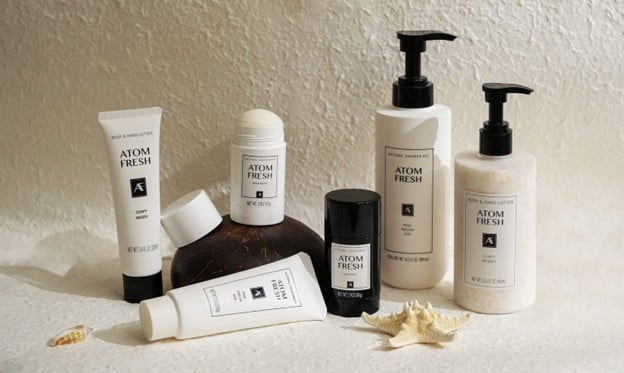
Brand Statement: Freshness That Goes the Distance
If you run, ride, or grind through any kind of endurance training, you already know: sweat is inevitable — smelling bad isn’t. For years, the default fix was heavy aluminum antiperspirants that try to stop sweat entirely. But sweating is how your body regulates temperature under load. What you actually want to control is odor, not sweat itself. That’s why more North American athletes are switching to sweat-proof (odor-proof) natural deodorants that neutralize odor at the source instead of blocking your pores.
Enter the travel-light, race-ready solution: the AtomFresh Mini Deodorant Starter Set. Four TSA-approved mini sticks you can stash in a jersey pocket, race belt, or drop bag — built for long training days, stage rides, and back-to-back efforts where freshness equals confidence.
Why Sweat-Proof (Odor-Proof) Matters for Endurance Athletes
The Science of Sweat vs. Odor
Sweat itself is mostly water and electrolytes. The funk shows up when skin bacteria metabolize components of your sweat, creating volatile compounds that smell. So the winning move isn’t to shut down sweating; it’s to reduce bacterial growth and neutralize odor on skin. Dermatology guidance consistently distinguishes between antiperspirants (reduce sweat via aluminum salts) and deodorants (control odor). For athletes who need healthy thermoregulation, that distinction matters on race day and every interval session. (See American Academy of Dermatology resources in the references.)
Why Traditional Antiperspirants Don’t Solve Odor Long-Term
Aluminum salts can temporarily plug pores, but they don’t directly address the bacterial sources of odor. During high heat or long efforts, breakthrough sweat still happens — now mixed with residue. If you rely only on blocking sweat, you lose a key thermoregulation mechanism, and you may still face odor once bacteria go to work.
Confidence Is Performance
Whether you’re shoulder-to-shoulder in a marathon start chute or rolling through a paceline at 40 km/h, closeness is part of the sport. Knowing you’re fresh lowers social friction, preserves focus, and keeps you in the mental pocket for negative splits, breakaways, and “hold the wheel” moments.
Breaking Old Myths About Sweat Control
Myth: “If you stop sweating, you’ll smell better.”
Not necessarily. You need sweat to shed heat, especially in warm races. Over-suppressing sweat can be counterproductive in endurance environments. Opt for odor control that respects thermoregulation.
Myth: “Natural deodorants can’t keep up with hard training.”
Modern natural formulas leverage odor-neutralizing actives and moisture absorbers without aluminum or baking soda. Athletes are adopting them for comfort, skin health, and smart portability.
Myth: “Deodorant is just for underarms.”
Endurance sports create multiple hot spots: neck folds, feet, underboob/chest, inner thighs, even the back of the knees. Whole-body deodorant routines are increasingly recommended to manage odor in high-sweat, high-friction zones. (See AAD’s public guidance on whole-body deodorants in References.)
Meet the AtomFresh Mini Deodorant Starter Set — Built for Training & Travel
The AtomFresh Mini Deodorant Starter Set packs four 1.1 oz (32 g) mini sticks that are TSA-approved and ultra-portable — ideal for gym bags, saddle bags, and race day drop bags. Each set includes:
- Rose Freesia Oud — romantic, mysterious; perfect post-finish celebrations.
- Ocean Breeze (Iris Cedar Marine) — crisp & clean; vibes like a cool-down by the coast.
- Comfy Woody — warm & grounding; great for early-morning long runs.
- Sweet Jam Jasmine — playful & upbeat; nice for social rides and recovery days.
Beyond scent variety, the minis deliver practical performance: easy mid-event reapplication, simple sharing within a team van or relay crew, and zero drama at airport security.
How Sweat-Proof Natural Deodorants Work
Neutralize Odor at the Source
Natural deodorants typically use antibacterial agents (e.g., zinc salts) and moisture-absorbing powders (e.g., clays) to make skin less hospitable to odor-causing bacteria. The goal: cut off the stink cycle before it starts.
Balanced Skin Environment
pH-aware formulas help maintain a skin environment that’s inhospitable to odor production without nuking your microbiome. A calm microbiome = fewer flare-ups and less irritation during high-sweat days.
No Baking Soda = Happier Skin
Baking soda can be abrasive and alkaline, which is why many sensitive-skin athletes prefer baking-soda-free formulas for daily use and during event blocks.
Why Runners Love It
Pre-Run Boost
Apply to clean, dry skin pre-run. For marathon build weeks, keep a mini at work for lunch runs and a second in your car for track night — no excuses, no odor.
Post-Run, No-Shower Windows
Life happens. When you have a commute, a school pickup, or brunch right after your long run, a quick re-apply buys you social grace and comfort until you can fully rinse.
Race-Kit Friendly
Weight and space are precious. A 1.1 oz stick fits in a flip belt or drop bag and doesn’t melt into a mess. That’s one less logistics stressor on race morning.
Why Cyclists Rate It
Long Hours in the Saddle
On centuries, fondos, and stage tours, odor crops up beyond the pits — think neck folds under the helmet strap, feet in closed shoes, or chest/torso under a tight jersey. Multi-zone freshness matters for café stops and team vans.
Helmet & Neck Zones
Before group rides, a quick pass along the sides/back of the neck helps keep things pleasant in tight pacelines, especially on humid days.
Chamois-Adjacent Care
Keep product external. A light application to outer thighs or glute folds can help with odor management; pair with proper chamois hygiene and breathable kit to minimize friction.
Real-World Athlete Scenarios
- Boston Prep Long Runs: Stash a mini at mile-18 aid or in your partner’s bike pouch. Quick pass, confidence restored for the Newton Hills.
- Cross-Country Bikepacking: Two minis can cover a 7–10 day tour with daily use — one in the bar bag, one in the overnight kit.
- Relay & Van Life: When six athletes live in one van all weekend, small hygiene wins are everything. Minis let you re-up between legs without hogging the cooler or the line to the bathroom.
How It Compares to Mainstream Sports Deodorants
Ingredient Transparency
Natural athlete-first formulas emphasize gentle, effective odor control without aluminum. If you’re sensitive, check labels and opt for baking-soda-free options.
Lasting Freshness
Brands typically test for multi-day odor control under real-world conditions. Many athletes report “up to 72 hours” of odor defense in cooler temps or light-to-moderate activity; for heavy blocks and hot races, daily re-apply is recommended.
Eco & Portability Advantages
Mini formats cut weight and waste in race kits. If you go through product quickly, look for bundle savings or refill systems to reduce packaging footprint.
Application Playbook for Maximum Effect
Timing
Apply to clean, dry skin. For heavy sweaters or hot climates, consider a light morning application and a touch-up post-workout. (Dermatology sources often suggest night application for antiperspirants; deodorants can be applied whenever needed — see Washington Post coverage in References.)
Layering with a Body Wash
A mild, non-stripping body wash pre-application helps reduce surface bacteria and improves performance. Avoid harsh cleansers that disrupt the skin barrier.
Beyond the Pits
Use on external high-sweat zones: feet (before socks), neck folds, underboob/chest, and inner thighs. Test new areas 24 hours before race day to confirm comfort.
Heat, Hydration & Odor: The Performance Triangle
Heat management is performance-critical. U.S. guidance for athletes emphasizes education, acclimatization, shade, and hydration to reduce heat illness risk. Proper hydration and electrolyte balance affect perceived odor and skin comfort under load. (See CDC and EPA resources in the References.)
- Pre-Hydrate: Start rides/runs adequately hydrated.
- Choose Fabrics: Wear breathable, moisture-wicking kit to reduce bacterial bloom.
- Cool-Down Ritual: Post-session rinse if possible, then re-apply deodorant before commute or errands.
Travel, Race-Day, and Team Logistics
TSA-Approved & Race-Bag Ready
The AtomFresh Mini Deodorant Starter Set sails through airport security. Keep one mini in your carry-on and one in your checked bag to avoid “left it in another suitcase” moments.
Bikepacking & Ultras: Pack Light, Re-Up Often
Minis thrive in minimalist kits. Place them with nutrition or tire plugs so you actually remember to re-apply at snack stops.
Gifting & Team Culture
Mini sets are practical gifts for training partners and club raffles. Make “freshness checks” a normalized, zero-shame part of team van etiquette.
Common Deodorant Mistakes Athletes Make
- Using only antiperspirant on race morning: You still need healthy sweating to manage heat; use odor-control strategies that respect thermoregulation.
- Skipping re-apply on multi-day events: Your gear gets saltier and your skin gets grumpier. Quick re-ups save the day.
- Masking odor with heavy sprays: Fragrance ≠ odor control. Target bacteria and moisture instead.
- Trying something brand-new on race day: Patch-test and finalize your routine in training.
- Ignoring fabric choice: Breathable, quick-dry fabrics reduce bacterial growth and odor.
Pro Tips for Ultra Events & Stage Races
- Pre-Pack Drop Bags: Put a mini in each drop bag (mile 20, 40, finish) — same for stage-race feed zones.
- Pair with Cooling: Ice socks, cold sponges, and shade breaks reduce heat stress and sweat rate spikes.
- Skin Maintenance: Rinse salt as soon as practical; salt crystals can abrade skin and worsen odor.
Skin Health & Sensitive Athletes
If you’re prone to irritation, seek baking-soda-free options and avoid harsh detergents in your pre-ride shower. Dermatology sources note deodorants control odor while antiperspirants reduce sweat; pick based on your needs and skin feedback. If you have chronic conditions or persistent irritation, consult a board-certified dermatologist.
Where to Buy & How to Save
Ready to upgrade your freshness kit? Order the AtomFresh Mini Deodorant Starter Set directly from the official store. Look for bundle or multi-set savings if you’re equipping a training group or prepping for a tour. Shipping is available across North America.
Conclusion: Your Freshness Is Your Confidence
Great legs win races, but great hygiene wins every carpool, café stop, and team van ride. Natural, sweat-proof (odor-proof) deodorants let you keep sweating — and keep showing up fresh. For runners and cyclists who train hard, travel often, and care about skin comfort, the AtomFresh Natural Deodorant is the simplest, most portable upgrade you can toss in your kit today.

FAQs
1) How long does a mini stick last for runners?
Usage varies by climate and volume applied, but many athletes report a mini covering a week-long training camp or 2–3 race weekends. For heavy heat blocks, expect daily re-apply.
2) Can cyclists use it beyond underarms?
Yes — external use on neck folds, feet (pre-sock), chest/torso, and inner thighs is common. Always patch-test new areas in training, not on race day.
3) Is it safe for sensitive skin?
Look for baking-soda-free formulas and avoid harsh cleansers before application. If you experience persistent irritation, consult a dermatologist.
4) Will natural deodorant work in extreme heat?
In high heat, plan on strategic re-application. Pair deodorant with heat-smart habits: shade, cooling strategies, breathable fabrics, and electrolytes.
5) What’s the best time to apply?
Apply to clean, dry skin. Antiperspirants are often recommended at night; deodorants are flexible — morning, pre-workout, or post-shower touch-ups all work (see Washington Post dermatology coverage in References).
References & Further Reading
- American Academy of Dermatology — Antiperspirants help reduce sweating; deodorants control odor
- American Academy of Dermatology — Whole-body deodorant guidance
- American Academy of Dermatology — Hyperhidrosis treatment overview (how antiperspirants work)
- CDC — Heat & Athletes safety guidance
- U.S. EPA — Heat and Teenage Athletes (coaching & preparedness)
- Grand View Research — Refillable Deodorants Market (growth trends)
- Grand View Research — Organic Deodorant Market (growth & aluminum-free trend)
- The Washington Post — Dermatologists on when to apply deodorant/antiperspirant