
 Full Editorial
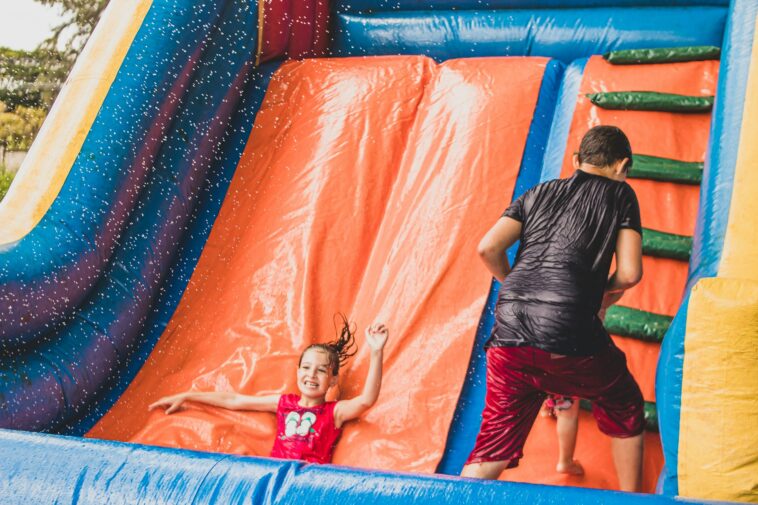
Children’s play experiences shape their physical health, social skills, and creative imaginations. From backyard inflatable slides to community playgrounds and ride-on toys, amusement attractions for kids span a vast spectrum of designs and functions. This article dives into the world of kids’ amusement rides, providing a comprehensive guide to inflatable slides, playground equipment, and other toy rides. You’ll learn about types, safety standards, developmental benefits, and tips for choosing, installing, and maintaining these play attractions.
The Importance of Play and Amusement Rides
Play is more than just fun. It is a foundational element of childhood development that helps kids build motor skills, learn social rules, and explore creativity.
Playful activities:
- Encourage gross motor development through climbing, sliding, and running.
- Foster social interaction as children take turns and cooperate.
- Stimulate imaginative thinking as kids invent games and scenarios.
- Provide emotional benefits by reducing stress and building confidence.
Offering a variety of amusement rides and playground structures ensures children of different ages and abilities find engaging, safe challenges that support their growth.
Overview of Kids Amusement Rides
Children’s amusement rides can be grouped into three main categories:
- Inflatable Slides and Bounce Houses
- Traditional Playground Equipment
- Other Toy Rides and Ride-Ons
Each category fulfills distinct play needs:
- Inflatables emphasize novelty, bright colors, and soft surfaces.
- Playgrounds provide fixed structures for climbing, swinging, and sliding.
- Toy rides cater to more personalized, often motorized, experiences.
Understanding these distinctions helps parents, schools, and event planners select the right combination of attractions for fun, safety, and developmental value.
Inflatable Slides
Inflatable slides have become a staple at birthday parties, carnivals, and community events. Their soft, cushioned surfaces reduce the risk of injury while maximizing the thrill of zipping down a tall slide.
Types of Inflatable Slides
- Single-Lane Slides: Compact and ideal for smaller gatherings or home use.
- Dual-Lane Slides: Enable two children to race side by side, adding competitive play.
- Multi-Color Themed Slides: Incorporate branded characters or elaborate castle designs.
- Wet Slides: Feature water attachments for cooling off in summer.
- Obstacle Course Slides: Combine climbing walls, tunnels, and slide elements for a full-body challenge.
Materials and Construction
High-quality inflatable rides use:
- Commercial-grade PVC or vinyl: Resistant to tearing and UV exposure.
- Double or triple stitching: Reinforces pressure points.
- Safety nets and walls: Prevent accidental falls.
- Electric blowers: Maintain constant air pressure during operation.
Regular inspections of seams and air pumps ensure the slide remains reliable and safe.
Benefits and Drawbacks of Inflatables
Benefits:
- Soft, forgiving surfaces reduce injury risk.
- Portable and easy to set up with electric blowers.
- Visually attractive and highly customizable.
Drawbacks:
- Require a continuous power source.
- Can be noisy due to air blowers.
- Susceptible to punctures if not maintained properly.
Get to know how you can utilize your products better with Proper supervision and maintenance prevent most issues and extend the life of the equipment.
Playground Equipment
Playgrounds are designed to serve broad public users and last for decades with the right materials and installation.
Classic vs. Modern Playground Designs
Classic playgrounds consist of metal and wooden structures with simple swings, slides, and seesaws. Modern playgrounds often use recycled plastics, rubber surfacing, and inclusive designs that comply with accessibility standards.
Key differences:
- Material: Modern composite plastics resist weathering better than wood.
- Design: Contemporary layouts focus on sensory integration—incorporating tactile panels, musical elements, and varied textures.
- Accessibility: Many new playgrounds include ramps, wide platforms, and ground-level activities.
Core Components of Playground Structures
Most playgrounds feature a combination of:
- Swings: Traditional belt swings, toddler bucket seats, and inclusive basket swings.
- Slides: Straight slides, spiral slides, and tube slides of various heights.
- Climbers: Nets, ropes, rock walls, and geometric climbing frames.
- Playhouses and Panels: Interactive games, steering wheels, and chalkboards.
- Balance Elements: Log rolls, beam walks, and stepping stones.
Diverse components encourage varied development—from balancing skills to upper-body strength.
Inclusive and Accessible Design
Designing for all abilities means:
- Smooth pathways: Enabling wheelchair access to play areas.
- Transfer platforms: Allowing children with mobility aids to move onto structures.
- Sensory-rich elements: Incorporating tactile, auditory, and visual stimulations.
- Ground-level play: Ensuring children who cannot climb still have engaging activities.
This inclusive approach promotes social integration and ensures every child can share the joy of playgrounds.
Other Toy Rides
Beyond fixed structures and inflatables, toy rides offer personalized, often motorized or spring-based play experiences.
Electric Ride-Ons
Battery-powered ride-ons imitate cars, trucks, tractors, and even construction vehicles. Features often include:
- Rechargeable batteries: Typically 6V or 12V for speeds up to 5 mph.
- Parental remote control: Provides an override for safety.
- Working lights and sounds: Enhance realism and excitement.
- Safety belts and speed settings: Adjust for younger or less experienced riders.
Electric ride-ons combine motor skill development with imaginative role-play.
Spring Riders and Seesaws
Common in parks and daycare centers, these low-to-ground toys provide gentle rocking motions:
- Spring Riders: Mounted animal or vehicle shapes on a heavy-duty spring that bounces as children rock.
- Seesaws: Traditional seesaws now often include handles and cushioned seats for extra safety.
These attractions help kids develop balance, coordination, and vestibular awareness.
Pedal Cars and Push Bikes
Non-motorized ride-ons emphasize pedaling or pushing:
- Pedal cars: Metal or plastic chassis that mimic vintage car designs.
- Push bikes: Balance bikes without pedals, helping toddlers learn steering and balance before advancing to pedal bicycles.
- Tricycles: Stable three-wheeled designs introducing pedaling mechanics.
Such toys build stamina, leg strength, and independent mobility skills.
Choosing the Right Equipment
Selecting amusement rides involves assessing a combination of developmental needs, space, budget, and long-term considerations.
Age and Developmental Stages
- Toddlers (1–3 years): Need soft surfaces, low slides, wide steps, and gentle rocking toys.
- Preschoolers (3–5 years): Can handle climbing nets, taller slides, and simple obstacle courses.
- Early school age (6–8 years+): Enjoy complex climbers, fast slides, spring riders, and riding toys with multiple speed settings.
Matching the ride’s complexity to children’s abilities prevents frustration and injury.
Budget Considerations
Costs vary widely:
- Inflatables: From a few hundred dollars for a small home model to several thousand for large commercial units.
- Playground sets: Range from under $1,000 for modular kits to over $20,000 for professional installations.
- Electric ride-ons: Typically priced between $100 and $500, depending on battery size and features.
Factor in shipping, installation, ground preparation, and ongoing maintenance when calculating total costs.
Space and Installation Requirements
- Inflatables: Require a flat area free of debris, access to electricity, and anchoring points.
- Playground equipment: Needs adequate fall zone clearances, shock-absorbing surfacing (rubber mulch, sand, or poured rubber), and proper anchoring.
- Toy rides: Demand a level, obstacle-free ride area; some electric models work on grass or pavement.
Accurate measurement and site preparation ensure safe, stable play zones.
Maintenance and Durability
High-use play attractions need regular checkups:
- Inspect for wear and tear, rust, and loose hardware every 3–6 months.
- Clean PVC inflatables and vinyl with mild soap, followed by thorough drying before storage.
- Tighten bolts and treat wooden playground parts with sealant to prevent rot.
- Recharge and replace batteries for electric ride-ons, storing indoors during winter.
Creating a maintenance schedule extends the life of investments and keeps kids safe.
Health and Development Benefits
Play attractions contribute significantly to children’s physical, cognitive, and social growth.
Physical Development
- Gross Motor Skills: Climbing, sliding, and pedaling strengthen large muscle groups in legs, arms, and core.
- Balance and Coordination: Spring riders, balance bikes, and climbers enhance proprioception and vestibular function.
- Cardiovascular Fitness: Active play elevates heart rate, supporting endurance and healthy weight management.
Cognitive and Social Development
- Problem Solving: Navigating obstacle courses or figure-eight tracks on ride-ons encourages planning and judgment.
- Imaginative Play: Themed inflatables and toy vehicles become stages for storytelling.
- Social Skills: Sharing swings, taking turns on slides, and collaborating in group games foster communication and empathy.
Structured and unstructured play environments give children both freedom and challenge.
Safety Standards and Regulations
Ensuring compliance with safety guidelines prevents accidents and liability issues.
- U.S. Consumer Product Safety Commission (CPSC) guidelines for playground and inflatable safety.
- ASTM F2373 standard for public inflatable amusements outlines design, installation, and inspection requirements.
- EN 1176 standard in Europe for playground equipment mandates fall height calculations and material testing.
- ADA Accessibility Guidelines (ADAAG) ensure public play areas accommodate children with disabilities.
Adhering to these standards and conducting regular professional inspections is critical for long-term safe operation.
Installation and Maintenance Tips
Implementing best practices maintains functionality and safety.
- Site Preparation
- Remove rocks, branches, and other debris.
- Level ground and install shock-absorbent surfacing under playgrounds.
- Proper Anchoring
- Secure inflatables with stakes or sandbags per manufacturer instructions.
- Anchor playground posts in concrete footings to prevent tipping.
- Routine Cleaning
- Wipe down high-touch areas on inflatables and ride-ons with non-toxic disinfectants.
- Clear debris from climbing nets and slides monthly.
- Scheduled Inspections
- Check for worn stitching on inflatables, cracks in plastic slides, and rust on metal frames.
- Test ride-on electrical systems and replace batteries that fail to hold charge.
- Seasonal Storage
- Store inflatables in cool, dry locations away from rodents and UV sunlight.
- Winterize metallic equipment to prevent corrosion.
A well-documented maintenance log helps track repairs and budget for replacements.
Trends and Innovations in Kids’ Amusement Rides
The play industry constantly cycles new ideas to captivate children’s imaginations and address modern concerns.
Smart Playgrounds
- Connected sensors monitor usage patterns, alerting maintenance staff to high-wear areas.
- Interactive panels react with lights, sounds, and educational content.
- Mobile apps guide kids through scavenger hunts or fitness challenges.
Eco-Friendly Materials
- Recycled plastics and rubbers keep playgrounds sustainable.
- Bamboo composites and low-VOC finishes reduce chemical exposure.
- Solar-powered LEDs in inflatables and ride-ons minimize energy consumption.
Themed and Immersive Rides
- Augmented reality slides project virtual obstacles as children ride down.
- Modular obstacle courses that can be rearranged for new challenges.
- Character-driven inflatables licensed from popular movies or video games.
These innovations blend technology, environmental stewardship, and narrative design to keep play environments fresh and exciting.
Conclusion
Children’s amusement rides—from inflatable slides and playground structures to electric ride-ons and spring riders—offer far more than momentary thrills. They are critical tools in fostering physical health, social skills, and creative curiosity. Selecting the right attractions demands careful attention to age appropriateness, safety standards, budget constraints, and space limitations. Complementing purchase with routine maintenance, inclusive design, and modern innovations ensures play equipment remains safe, engaging, and durable for years to come.
By understanding the variety of options available and their developmental impacts, parents, educators, and event planners can create dynamic play experiences that delight children, support growth, and build lifelong memories.