
 Adam Torkildson
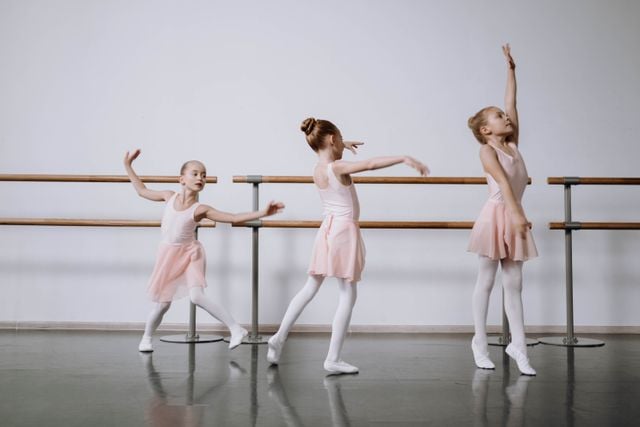
A young performer’s career often hinges on the goodwill of a handful of adults: an agent, a director, a coach who decides whether the next audition happens at all. That dependency creates a power gap most people never think about until a scandal breaks. It’s also why so many survivors don’t fully grasp the rights of abuse survivors available to them until years, sometimes decades, later.
Why the Entertainment Industry Creates Unique Risk Factors
Put simply: a small number of adults hold outsized control over a child’s future in this business. One phone call from a casting director, one recommendation from an agent, can open a door or close it permanently.
That dynamic isn’t limited to Hollywood sets. You’ll find the same pattern in:
- Competitive gymnastics and dance programs
- Modeling agencies
- Music and vocal training
- Youth theater and film production
When a kid’s shot at success depends on staying in one adult’s good graces, saying no gets a lot harder, for the child and often for the parents standing behind them.
The Role Authority Figures Play in Silencing Victims
Authority itself becomes the cover. A coach or director rarely needs to issue a direct threat; the message is already baked into the relationship: push back, and this could be over.
Grooming Often Looks Like Mentorship
Here’s the uncomfortable part: grooming and genuine mentorship can look nearly identical from the outside. An abuser might spend a year or more building trust through:
- Extra one-on-one sessions “to help with technique”
- Gifts, trips, or introductions that boost a career
- Attention that makes a child feel singled out as special
By the time anything feels wrong, the relationship has already been normalized. That’s the point. The Darkness to Light organization, which trains adults to recognize grooming behavior, notes that this slow normalization is precisely what makes child sexual abuse so difficult to detect from the outside.
Isolation From Support Systems
Predators tend to chip away at a child’s support network before anything else happens. A closed-door audition. A “private lesson.” A casual request for a parent to wait in the car. None of it seems alarming on its own, and that’s exactly why it works.
How Financial Dependence Deepens the Imbalance
Money changes the calculation. Plenty of families depend on a child’s income once modeling, acting, or music becomes a real job rather than a hobby, and that dependency makes it harder to walk away from a bad situation.
Parents sometimes ask themselves a version of the same question: if I say something, does my kid lose everything they’ve worked for? It’s not paranoia. Industries built on reputation and image have a track record of protecting the person who makes money, not the child who’s being harmed, right up until public pressure leaves them no choice.
The Impact of “Star Culture” on Reporting Abuse
Fame buys protection. When the accused is well-known, profitable, or simply beloved, institutions have a financial incentive to look the other way, or at least look slowly.
We’ve seen this play out publicly more than once over the last decade: internal complaints filed and quietly shelved for years, only surfacing after enough survivors came forward that the story couldn’t be contained anymore.
Why Children Often Don’t Tell Anyone
Ask a child psychologist why kids stay quiet, and you’ll usually hear some combination of these:
- Fear that no one will believe them
- Shame or confusion about what actually happened
- Fear of losing the career their family has invested in
- Genuine affection or loyalty toward the abuser
- A belief that speaking up will only make things worse
None of these reasons are irrational. They’re learned responses to a system that hasn’t always rewarded honesty.
Warning Signs Parents and Guardians Should Know
Catching this early starts with noticing small shifts. Keep an eye out for:
- A sudden change in mood tied to one specific adult
- Reluctance to go to rehearsal, lessons, or auditions, with no clear reason why
- Secretive texting or calls the child doesn’t want to explain
- Gifts or special treatment coming from a single mentor
- Growing distance from friends and family
No single item on this list proves anything. But a pattern is worth taking seriously, and worth asking questions about.
What Structural Change Could Look Like
Vigilance from individual parents only goes so far. Real protection requires systems, not just instinct. Advocates in this space keep pushing for the same handful of reforms:
- Mandatory background checks for anyone working alone with minors
- Chaperone requirements during rehearsals and auditions
- Reporting hotlines that sit outside a production’s own management chain
- Age-appropriate education about boundaries, built into training programs
A few states have tightened child performer labor laws in recent years. Enforcement, though, still depends heavily on where a child happens to be working.
Supporting Survivors and Understanding Legal Options
For a lot of survivors, the full weight of what happened doesn’t land until years after the fact, once there’s enough distance and safety to process it. That’s when questions about legal options usually start.
It helps to know that statutes of limitations in many states have been extended, sometimes significantly. Survivors often have more time than they assume to pursue a civil claim, even if the abuse happened long ago.
Moving Toward Safer Creative Spaces
None of this is really about talent or ambition. It’s about the adults surrounding a child, and whether the systems around them protect kids or protect careers.
Parents, mentors, and industry professionals all carry some part of that responsibility. It starts with paying attention, continues with clear paths for reporting, and only means something if the people in power, not just the ones caught on camera, are held accountable too.
If something feels off with a child in your life, don’t talk yourself out of it. Silence is what protects abusers. Attention is what protects kids.