
 Adam Torkildson
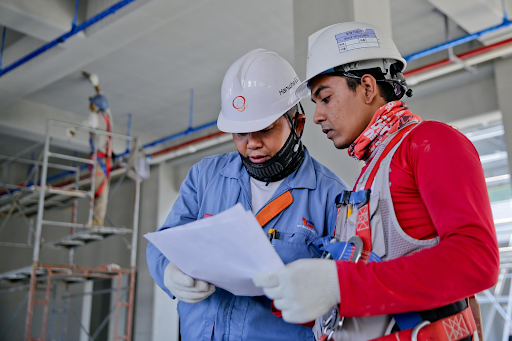
Despite the dangers of such substances being known for decades, exposure to asbestos remains an occupational health hazard. Even to date, many workers are being exposed since, in many older buildings and structures, maintenance and renovation are still being carried out, in which asbestos is usually found. Knowing what types of professions have heightened risk will help them seek symptoms as early as possible and advocate for safer working conditions. Here are workers likely to be affected by asbestos exposure.
Construction Workers and Workers in the Renovation Industry
Construction workers are constantly and actively at work using materials with asbestos applied throughout the 20th century in insulation, roofing, cement, and fireproofing materials. Renovation and demolition work can stir up remnants in walls, ceilings, or floors into the air and then into the lungs of unsuspecting workers,
These risks aren’t as apparent today since the newer construction work does not so often extend or retrofit an existing building. Any investigation of asbestos is often a short-term task, involving awkward procedures such as drilling, sending, or tile removal, leaving ceiling exposure in some cases to be potentially harmful if proper testing and protective measures are not put in place.
Shipyard workers and Maritime Workers
Shipyard workers always had among the highest exposure rates historically, and maximum quantities were used throughout the maritime industry. Insulation, boilers, pipes, engine rooms, and confined spaces aboard ship mean higher concentrations of fibers; if repairs such as cutting or welding are being carried out, inhalation risks are exacerbated.
Asbestos exposure remains for those who repair or service older vessels, and in many such cases, most of this asbestos material has remained untouched, if not totally removed. Many of these workers are diagnosed decades later, relying on avenues of long-term support such as mesothelioma and asbestos trust funds to settle medical and financial obstacles.
Power and Industrial Facilities Workers
Large amounts of asbestos were being used for thermal insulation and fire protection around turbines, generators, and high-temperature piping in power plants and heavy industry facilities. Maintenance activities such as inspections or emergency repairs would often lead workers to come into contact with damaged asbestos insulation.
Routine exposure is compounded by the unusual industrial work, reasonably long stretches of it, and even if it is at significantly lower levels. Reported exposure will substantially increase disease risk when considering earlier days when safety policies were rudimentary or poorly enforced.
Auto Workers and Mechanical Workers
In the past, asbestos fibers were present in brake pads, clutches, and gaskets, with which automotive workers, especially mechanics, were exposed. During routine vehicle maintenance, asbestos fibers are airborne through activities such as power grinding, blowing out brake dust, or replacing worn components.
The entry point for these risks was sometimes overlooked because exposure was seen as less risky or incidental. However, it is easy to see how an accumulation of these minor exposures could be of huge significance when added to the exposure suffered during other odd jobs over the years in the relatively confined nature of an auto mechanic. This is particularly in operations situated in garages with substandard ventilation, where protective equipment was never used.
Teacher, Cleaners, and Workers in Public Buildings
It is important to remember that asbestos can be handled in non-industrial settings. With insulation, ceiling tiles, or heating systems growing old with age, teachers, custodians, and other public-sector workers could be exposed to such materials in older schools and government buildings.
These workers tend to be present within the same space for long periods of time. It means they are likely to inhale fibers that were released as a consequence of wear in the day-to-day working environment or from maintenance work close by. Symptoms can be easily misattributed or totally missed for many years.
Endnote
For most types of professions, there are occupational risk factors, and nowadays, one will be able to find out early diagnosis, advocacy for a safer work environment, and considerations for long-term health. Knowledge of all these risks will come in handy in taking informed decision-making steps for both workers and employers towards a greater effort in coming up with measures to mitigate further harm and preserve occupational health.