
 Article Editor
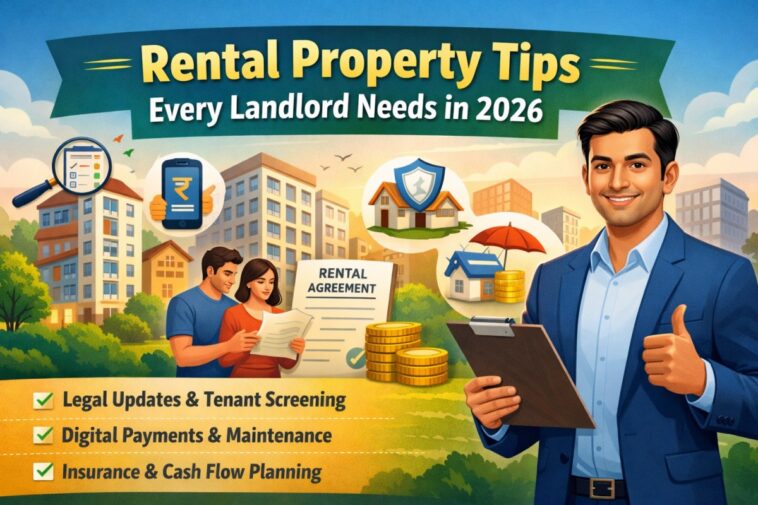
The rental property market in 2026 is more competitive, regulated, and tenant-driven than ever before. Rising property prices, stricter legal compliance, digital payments, and changing tenant expectations mean landlords must manage rentals smarter—not harder. Whether you own a single flat or multiple rental properties, following the proper practices can help you reduce risk, protect income, and maintain long-term value. Below are essential rental property tips every landlord should follow in 2026.
1. Understand Rental Laws and Compliance
Rental laws continue to evolve, especially around tenant rights, security deposits, eviction rules, and rent increases. Landlords must stay up to date with local and state regulations to avoid disputes and penalties.
Key compliance areas include:
- Proper rental agreements and registration
- Clear terms for rent, maintenance, and notice periods
- Legal limits on security deposits
- Fair eviction procedures
Keeping documentation clear and legally compliant builds trust and protects you from legal challenges.
2. Screen Tenants Carefully
Tenant selection plays a significant role in rental success. In 2026, landlord should go beyond basic checks and focus on long-term reliability.
Effective screening includes:
- Income stability and affordability
- Rental history and behaviour
- Employment verification
- Identity and background checks
A reliable tenant reduces late payments, property damage, and conflicts.
3. Set the Right Rental Price
Overpricing leads to longer vacancies, while underpricing reduces returns. Smart landlords analyse market demand, property location, amenities, and comparable rentals before finalising the rent.
Factors that affect rental value:
- Location and connectivity
- Property condition and furnishing
- Demand in the local rental market
- Included utilities or services
Review rent annually to stay aligned with market trends and inflation.
4. Use a Clear and Detailed Rental Agreement
A well-structured rental agreement prevents misunderstandings. In 2026, landlords should ensure all terms are written clearly in simple language.
Essential clauses to include:
- Rent amount and payment schedule
- Maintenance responsibilities
- Penalties for late payment
- Lock-in period and exit terms
- Property usage rules
A transparent agreement protects both landlord and tenant.
5. Maintain the Property Proactively
Regular maintenance helps preserve property value and reduces costly repairs later. Tenants are also more likely to stay longer in well-maintained homes.
Maintenance best practices:
- Schedule routine inspections
- Address repairs promptly
- Maintain plumbing, electrical, and safety systems
- Keep common areas clean and functional
Preventive maintenance saves time, money, and stress.
6. Embrace Digital Tools and Payments
In 2026, digital management is no longer optional. Online rent payments, digital agreements, and maintenance tracking improve efficiency and transparency.
Benefits of digital tools:
- Faster and traceable rent collection
- Reduced paperwork
- Easy record-keeping for taxes
- Better communication with tenants
Digital systems help landlords manage properties professionally.
7. Plan for Vacancies and Cash Flow
Vacancies are part of rental property ownership. Smart landlords prepare for them by maintaining an emergency fund.
Financial planning tips:
- Set aside funds for vacant months
- Budget for repairs and upgrades
- Avoid depending solely on rental income
- Track income and expenses regularly
Strong cash flow planning ensures stability during market changes.
8. Protect Yourself with Insurance
Property insurance is essential in 2026 due to increasing repair costs and risks. Landlord insurance protects against property damage, loss of rent, and liability claims.
Coverage often includes:
- Structural damage
- Natural disasters
- Legal liability
- Rental income loss
Insurance adds a critical layer of financial security.
9. Communicate Clearly with Tenants
Good communication prevents minor issues from becoming major disputes. Landlords should remain professional, responsive, and respectful at all times.
Communication tips:
- Respond to issues quickly
- Keep written records of discussions
- Set boundaries while staying approachable
- Provide advance notice for inspections
Positive landlord-tenant relationships improve retention.
10. Think Long-Term, Not Just Monthly Rent
Rental property success in 2026 is about long-term planning. Focus on asset appreciation, tenant stability, and sustainable income rather than short-term gains.
Long-term strategies include:
- Upgrading property features gradually
- Retaining good tenants
- Adapting to market changes
- Reviewing investment goals annually
A long-term mindset leads to consistent returns and fewer risks.
Final Thoughts
Being a successful landlord in 2026 requires more than owning property. It demands legal awareness, financial discipline, innovative tenant management, and efficient systems. By following these rental property tips, landlords can protect their investments, reduce stress, and build reliable rental income in a changing market.
A well-managed rental property is not just a source of income—it’s a long-term financial asset when handled the right way.