
 Full Editorial
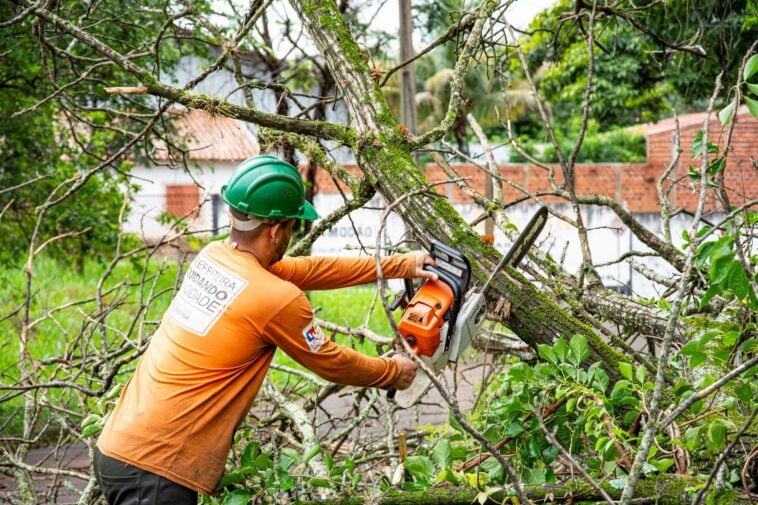
A large tree leaning directly over your roof creates an uneasy feeling every time the wind picks up. While mature trees add beautiful shade and character to your property, sweeping branches that scrape against shingles or hover ominously over your gutters pose a serious risk. One strong storm can send a weak limb crashing through your attic, causing severe structural water damage. Regular tree trimming is the best way to protect your home’s exterior, keep your gutters free of debris, and ensure the tree remains healthy and structurally sound.
However, dealing with a canopy that stretches over a home isn’t the same as pruning a standalone oak in the middle of your yard. You face falling debris, awkward angles, and the constant threat of causing expensive roof damage if a cut goes wrong. Whether you’re dealing with a limb crossing a neighbor’s property line or your own maple leaning toward your bedroom window, taking the right approach is vital.
Understand the Legal Boundaries
Before you pick up a saw, you’ll need to clarify who owns the tree. If the trunk sits on your neighbor’s yard but the canopy leans over your roof, you generally have the legal right to trim the branches back to the property line. You can’t, however, trespass onto their yard to make the cuts, nor can you prune the tree so severely that you end up killing it. If you cause the tree to die by over-pruning, you could be held financially liable for the replacement cost. Always have a friendly conversation with your neighbor before cutting anything. In many cases, they might even offer to split the cost of a professional service since a healthier tree benefits everyone.
Stick to the Ten-Foot Clearance Rule
You don’t need to strip the canopy completely bare. The general rule of thumb for house clearance is ten feet. This distance prevents branches from whipping against your siding during high winds. It also makes it much harder for squirrels, raccoons, and roof rats to use the branches as a bridge straight into your attic. Giving your roof a ten-foot buffer also allows more sunlight to hit the shingles, preventing moss and algae from growing in damp, shaded areas that never fully dry out after a rainstorm.
Use the Three-Cut Method for Large Limbs
When you cut a large, thick branch in a single slice, the wood often snaps before you finish the cut. This tears a long strip of bark down the main trunk, exposing the tree to pests and disease. To prevent this, use the three-cut method.
- The undercut: Make a shallow cut underneath the branch, about a foot away from the trunk.
- The top cut: Move an inch further out on the branch and cut down from the top until the branch falls away. The undercut will stop the bark from peeling.
- The finish cut: Now that the weight is gone, carefully saw off the remaining stub just outside the branch collar, which is the swollen area where the branch meets the trunk.
Never Top a Leaning Tree
A common mistake homeowners make is topping a leaning tree—indiscriminately cutting off the top of the canopy to reduce its height. This is one of the worst things you can do. Topping shocks the tree and forces it to sprout a dense cluster of weak, fast-growing shoots. These new branches are poorly attached and highly prone to snapping in future storms. Chopping off the top alters the center of gravity. For a tree that already leans, changing the weight distribution so drastically can uproot it entirely. You’ll want to thin the canopy evenly to allow wind to pass through, rather than shortening the tree’s overall height.
Remove Dead, Diseased, and Crossing Branches First
When deciding what needs to go, always start with the deadwood. Branches that lack bark, look brittle, or show signs of fungal growth are hazards waiting to fall. Once the deadwood is gone, look for branches that cross and rub against each other. The continuous rubbing action strips away the protective bark and creates an open wound where rot sets in. By removing these compromised limbs first, you might find that you’ve achieved enough clearance without having to cut any healthy, structural branches.
Respect the Quarter Rule
Trees generate their food through the leaves on their branches. If you get carried away with the pole saw and remove too much foliage at once, the tree will slowly starve. A healthy tree can usually withstand losing about 25% of its leafy canopy in a single year. If the tree leans significantly and requires extensive pruning to clear the house, you might need to spread the work over two or three seasons. Removing too much wood in a single afternoon pushes the tree into shock, causing it to die off or drop unexpected limbs right onto your driveway.
Prioritize Safety Gear and Stable Footing
Pruning branches from the ground using a high-quality telescoping pole saw is always the safest option for a homeowner. Never lean a ladder against a tree branch you intend to cut. As soon as the weight of the branch shifts, the branch will spring upward, instantly kicking the ladder out from under you. If you must use a ladder, it should be an A-frame stepladder set securely on flat ground. Always wear a hard hat, protective safety glasses, and sturdy gloves. A falling branch can bounce unpredictably once it hits the ground.
Know When to Step Back
While basic pruning is manageable for a DIY project, working directly above a roofline amplifies the danger tenfold. If a branch is thicker than your thigh, sits higher than a standard pole saw can reach, or hovers directly over a skylight, it’s time to step away. Rigging large limbs with ropes to lower them safely to the ground requires specialized knowledge and equipment. One miscalculation can result in a branch punching a hole straight through your roofing decking. Hiring a licensed, insured professional ensures the house stays protected and the tree receives the proper care it needs to thrive safely in your yard.