 Full Editorial
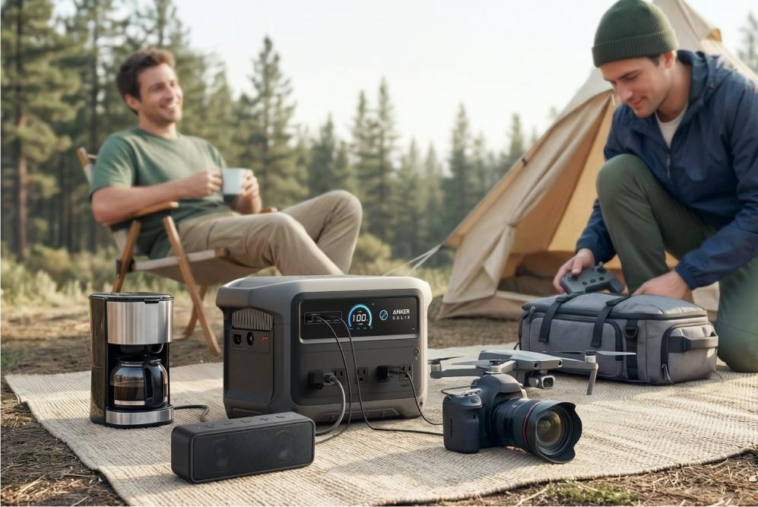
Outdoor photography jobs often require reliable power far from wall outlets. Whether you are shooting portraits at golden hour, covering a wedding in a remote venue, or producing commercial content on location, a portable power station helps keep essential gear running. It can recharge camera batteries, support lighting setups, and power laptops for tethering or quick edits between scenes. Choosing the right unit matters because capacity, output, portability, and charging options all affect how smoothly your shoot runs and how confidently you can work through long, demanding production days outdoors.
What Photography Equipment Can a Portable Power Station Support?
Powering Cameras, Batteries, and Charging Stations
A portable power station can easily support the core charging needs of most photography jobs. It is well suited for camera battery chargers, dual-battery docks, USB-C camera charging, wireless transmitters, monitors, and smartphone control devices used during production. This matters on long shoots where multiple bodies, drones, and accessories need rotation throughout the day. Instead of relying on a vehicle or searching for indoor outlets, photographers can build a charging hub directly on location. For outdoor teams managing several battery systems at once, the Anker SOLIX C1000 Gen 2 Portable Power Station offers 2,000W output, 3,000W peak, and 1,024Wh capacity, with support for up to 10 devices simultaneously.
Running Lighting Equipment, Laptops, and Editing Devices
Beyond battery charging, a portable power station can run many tools used during active shooting and post-capture review. LED panels, compact continuous lights, wireless receiver systems, field monitors, tablets, and laptops for tethering or culling are common examples. This is especially useful for fashion, product, and portrait shoots where lighting consistency and live image review are part of the workflow. A suitable unit can also support external SSDs, card readers, and mobile editing setups between locations. For photographers delivering previews on the same day, stable portable power keeps the production moving without interruption and reduces the need to cut sessions short when batteries or laptops run low unexpectedly.
Key Factors to Consider When Choosing a Portable Power Station for Photography
Battery Capacity and Runtime for Long Shooting Days
Battery capacity determines how long your portable power station can support photography gear before it needs recharging. For outdoor photography jobs, that directly affects how many camera batteries you can top up, how long lights can run, and whether a laptop can stay powered for tethering and image review. A higher-capacity unit is especially valuable for full-day shoots, multi-location sessions, and productions with assistants sharing the same power source. Think about your total energy use across chargers, lighting, and computing devices rather than focusing on one item alone. Matching capacity to your real workflow helps avoid downtime, rushed battery swaps, and preventable disruptions during critical shooting windows.
Output Ports, Charging Speed, and Outdoor Flexibility
The best portable power station for photography should have the right mix of AC outlets, USB-C ports, USB-A ports, and DC options to match modern gear. Many photo kits now combine traditional battery chargers with USB-C cameras, tablets, phones, and laptops, so port variety matters. Fast recharging is equally important because turnaround time between shoots can be short. A unit that charges quickly from wall power, vehicle input, or solar can be ready for the next job with less waiting. Outdoor flexibility also includes the ability to power several devices at once without juggling adapters. That makes on-site cable management easier and keeps your workflow organized under real production pressure.
Recommended Features for Professional Outdoor Photography Workflows
Solar Charging and Off-Grid Shooting Support
Solar charging is a practical feature for photographers working in remote areas, on travel assignments, or across multi-day outdoor productions. It provides a way to replenish power when wall charging is unavailable and helps extend runtime for charging batteries, running lights, or keeping laptops active. This is especially useful for landscape, wildlife, and documentary photographers who may spend long hours away from vehicles or indoor locations. A portable power station with solar compatibility adds resilience to the workflow and reduces dependence on fixed infrastructure. For off-grid shooting support, look for dependable input options, efficient charging management, and enough stored energy to cover both planned use and unexpected equipment needs.
Portability, Durability, and Quiet Operation
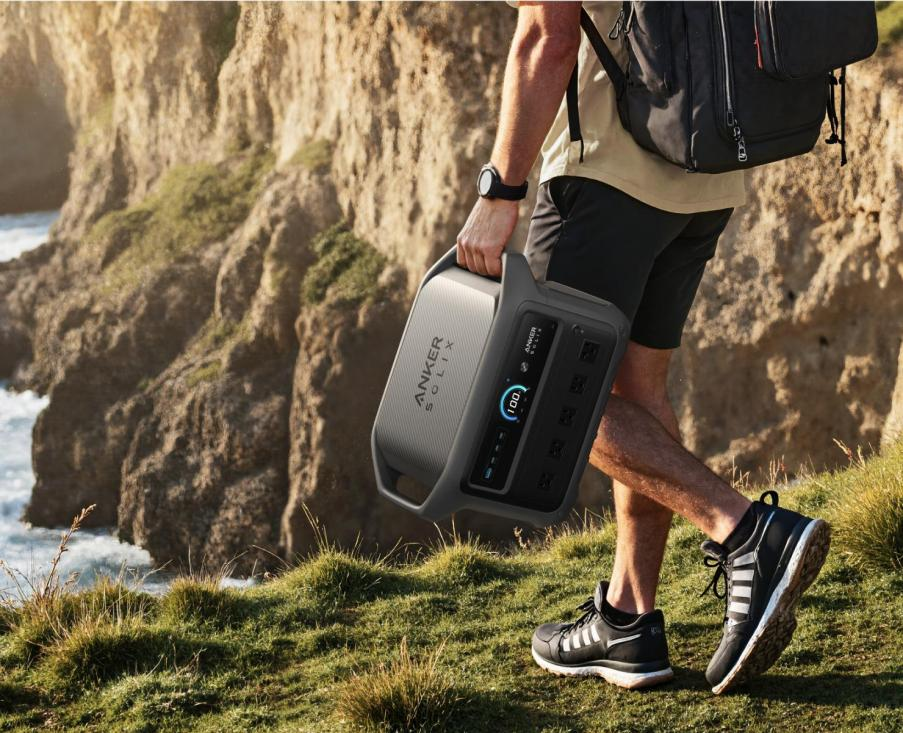
Outdoor photography gear already adds weight, so portability matters when choosing a power station. A compact design with manageable carry weight makes setup easier at beaches, trails, event spaces, and urban locations where access can be limited. Durability is equally important because location work often involves dust, uneven ground, repeated transport, and changing weather conditions. Quiet operation also deserves attention. Photographers and video teams often work in calm environments where fan noise can distract subjects or interfere with nearby audio recording. A well-designed portable power station should fit smoothly into the shoot without adding disruption. Practical handling, dependable construction, and low-noise performance all support a more professional location workflow.
Conclusion
A portable power station is a practical tool for outdoor photography jobs because it supports charging, lighting, tethering, and mobile editing wherever the shoot takes place. The right choice should match your equipment list, shooting duration, and need for flexible recharging in the field. Prioritize enough capacity for a full workflow, the ports your gear actually uses, and features that make transport and off-grid work easier. With reliable portable power on location, photographers can stay focused on timing, composition, and client delivery instead of worrying about losing power at the wrong moment.