
 News Edition
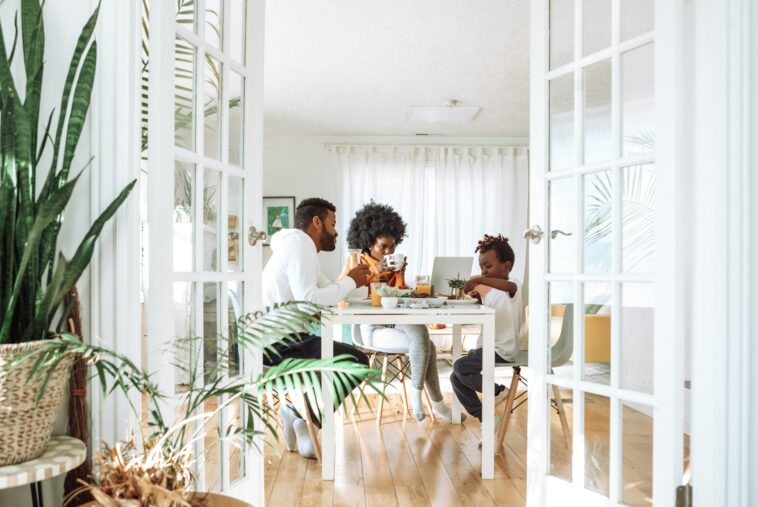
The shift from the classroom to the living room is often the most volatile part of a parent’s day. One minute, you are picking up a child who seems perfectly fine; the next, you are navigating a “post-school meltdown” triggered by something as simple as the wrong snack or a missing shoe. This phenomenon, often called after-school restraint collapse, happens because children spend all day working hard to follow rules and regulate their emotions. By the time they see you, their “emotional cup” is empty.
Establishing a consistent family routine is the best way to help them refill that cup. Whether your child is coming straight home or spending a few hours in after-school care, a predictable rhythm provides the psychological safety net they need to decompress. The goal isn’t to create a rigid, minute-by-minute itinerary, but rather a sequence of events that signals to their nervous system that the “work” of the day is over and the “rest” has begun.
The Three Pillars of an Effective Routine
To build a routine that actually sticks, you need to address the three immediate needs every child has the moment the bell rings: nutrition, movement, and decompression.
1. The Low-Pressure Landing
The first 20 minutes of your routine should be about “landing.” Avoid the temptation to immediately grill your child about their math test or what they ate for lunch. Instead, create a “drop zone” ritual. This is a designated spot for backpacks, shoes, and coats. By making this the very first step, you prevent the physical clutter of school from bleeding into the relaxation space of the home.
During this time, focus on “connection first, questions later.” Sometimes, just sitting near them while they eat a snack provides more emotional support than a dozen questions.
2. The Nutritional Reset
It is almost a universal truth: school-aged children are starving by 3:30 PM. A “hangry” child cannot follow a routine. Research from the American Academy of Pediatrics suggests that consistent meal and snack times are fundamental to a child’s ability to self-regulate.
Prepare a “brain-food” snack in advance—think protein and fiber over simple sugars. When blood sugar levels stabilize, the likelihood of an evening meltdown drops significantly. This is also a great time to check in on their hydration, as mild dehydration can often masquerade as irritability or fatigue.
3. Movement Before Mental Work
We often make the mistake of asking kids to go from eight hours of sitting in a desk straight to an hour of sitting at a kitchen table for homework. This is a recipe for frustration.
Even 15 minutes of “big body play”—running in the backyard, a quick dance party, or a walk around the block—acts as a sensory reset. Physical activity helps flush out the stress hormones accumulated during the school day. According to the Centers for Disease Control and Prevention (CDC), regular physical activity after school is linked to improved focus and better cognitive performance, making the eventual homework block much more efficient.
Structuring the Homework Block
Once the “landing” phase is complete, it’s time to tackle the “need-to-dos.” The secret to a painless homework routine is the environment.
Create a dedicated “Focus Station” that is stocked with everything they might need: sharpened pencils, scrap paper, and a ruler. If a child has to get up every five minutes to find a sharpener, they lose their cognitive flow.
Set a Timer: Use the “Pomodoro” technique for kids. Work for 20 minutes, then take a 5-minute movement break.
Body Doubling: Sometimes, simply sitting at the table doing your own “homework” (like paying bills or reading) alongside them provides enough social support to keep them on task without you having to hover.
Involving the Kids in the Design
A routine is much more likely to succeed if it doesn’t feel like something being done to the child, but rather something they helped build. Spend a Sunday afternoon creating a visual routine chart together. For younger children, use pictures of a snack, a backpack, and a book. For older kids, a simple dry-erase board in the hallway works wonders.
When children can look at a wall and see what comes next, they feel a sense of agency and control. It shifts the dynamic from you “nagging” them to them “following the plan.”
The most successful routines are the ones that allow for a “grace note.” Life happens—practices run late, traffic is heavy, or a child is simply having a hard day. On those nights, it’s okay to shorten the routine to just the essentials: a snack, a hug, and an early bedtime. The goal of after-care structure isn’t perfection; it’s about creating a predictable world where your child feels they can finally let their guard down and just be themselves.