
 Full Editorial
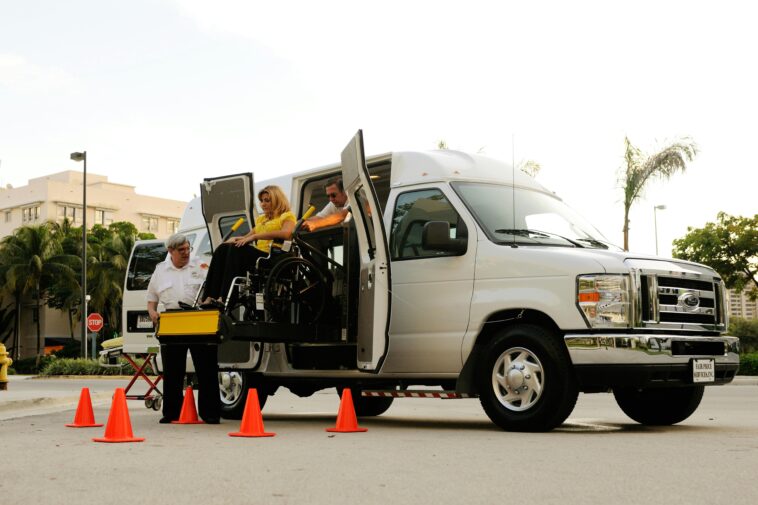
Caregiving is rarely a sprint; it is a grueling endurance marathon that most people are completely unprepared to run. When you take on the responsibility of managing a loved one’s daily life, your own schedule, physical health, and personal priorities are immediately pushed to the back burner. Society often praises the selflessness of caregivers, but external praise does not alleviate the crushing, chronic exhaustion that builds up over months and years of constant vigilance.
One of the absolute heaviest burdens in this daily routine is simply getting from point A to point B. Navigating doctor visits, physical therapy clinics, and basic errands requires an immense amount of physical effort and mental bandwidth. This is exactly why securing a reliable, accessible transportation service is not a luxury or an optional convenience. It is a fundamental survival tool. Outsourcing the grueling logistics of daily transit is one of the most effective, immediate ways to stop caregiver burnout before it destroys your own health and livelihood.
The Hidden Physical Cost of the Transfer
Most people do not think twice about getting into a vehicle. You open the door, sit down, and put on your seatbelt. For a caregiver managing a passenger with limited mobility, a single car ride is a complex, highly dangerous physical workout. You have to safely pivot the person out of a house chair, stabilize their weight, and maneuver them into the passenger seat without injuring their joints or blowing out your own spine.
Then comes the equipment. You have to collapse a heavy, awkward wheelchair or a metal walker, deadlift it over the bumper into the trunk of a vehicle, and secure it so it does not rattle. You repeat this entire exhausting process when you arrive at the clinic, again when the appointment is finally over, and a fourth time when you get back to your own driveway. Doing this multiple times a week leads directly to chronic lower back pain, pulled shoulder muscles, and deep physical fatigue.
Professional transit eliminates this bodily wear and tear. Vehicles equipped with motorized lifts and specialized roll-in accommodations mean the passenger never has to leave their chair, and the caregiver never has to lift a single pound of steel.
Removing the Mental Weight of Logistics
The physical lifting is only half the battle. The mental anxiety associated with driving a medically fragile person across town is constant. You are navigating heavy, unpredictable traffic while simultaneously monitoring your passenger in the rearview mirror to make sure they are comfortable, upright, and not in any physical distress. You are constantly watching the clock, terrified of losing your slot with a hard-to-book specialist if you hit a construction detour.
Once you actually reach the medical campus, the stress spikes again. You have to fight for the few available accessible parking spaces, navigate uneven concrete pavement, and rush a wheelchair through heavy automatic doors. When you hire a professional service, you are transferring that entire mental load to a trained driver. They handle the traffic, the routing, the weather conditions, and the parking. You get to simply sit in the back seat and offer emotional support, or stay home entirely, completely free from the anxiety of the road.
Buying Back the Margins of Your Day
Caregiver burnout happens because you lose the margins of your own life. The quiet hour before work, the brief window on a Saturday morning, the downtime after lunch—these pockets of time are completely swallowed by the demands of someone else’s medical schedule. A simple thirty-minute routine checkup easily turns into a three-hour ordeal when you factor in the loading process, the slow driving, the inevitable waiting room delays, and the trip back home.
Outsourcing the drive buys you back those critical hours. If a trained professional handles the Tuesday morning dialysis run or the Thursday afternoon physical therapy session, you suddenly have hours of uninterrupted time returned directly to you. You can use that margin to catch up on your own professional work, run your personal errands, or simply sit in an empty house and drink a cup of coffee without listening for a call for help. Reclaiming that personal time is exactly what allows you to reset your nervous system and continue providing care for the rest of the week.
Preserving the Identity of Your Relationship
When you manage every single aspect of someone’s medical and physical existence, the dynamic of your relationship fundamentally changes. You stop being a daughter, a son, a spouse, or a friend, and you slowly morph into a full-time, unpaid medical logistics coordinator. The constant stress of rushing out the door, fighting through traffic, and managing heavy equipment often leads to short tempers, bickering, and deep-seated resentment on both sides of the relationship.
By removing the most stressful, exhausting logistical hurdle of the week, you protect the emotional core of your relationship. When you are not physically drained from wrestling a wheelchair into a trunk, you actually have the energy to sit in the waiting room and have a normal, pleasant conversation. You preserve your capacity for empathy. Taking the role of the driver completely off your plate allows you to step back into your actual role as family.
Give Caregivers a Break
There is a dangerous misconception in the caregiving community that asking for help is a sign of weakness or an admission of failure. In reality, attempting to do absolutely everything yourself is the fastest route to a physical and emotional collapse. You cannot provide quality care if you run your own body into the ground. Recognizing your own physical limits and bringing in professional transit support is a highly strategic decision. It protects your back, significantly lowers your daily anxiety, and gives you the breathing room required to maintain your own life while properly supporting the person you care about.