
 Full Editorial
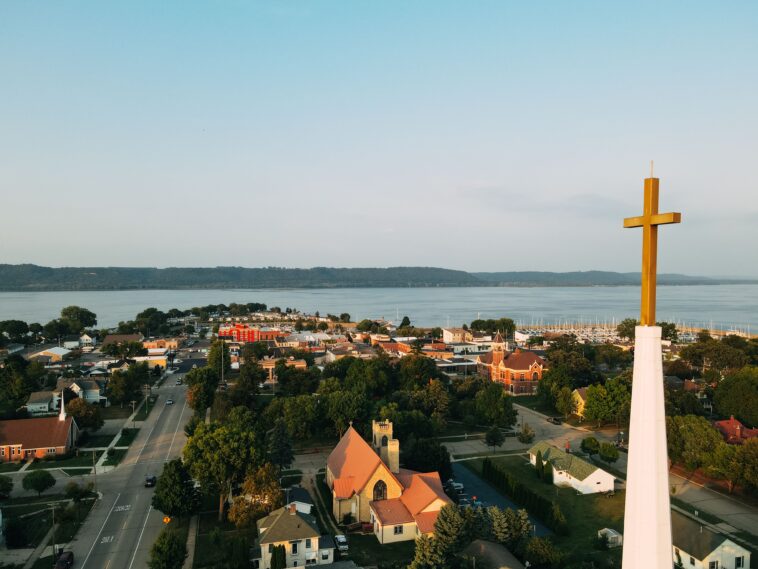
Churches and faith community buildings are among the most significant physical assets of religious communities, serving as gathering places for worship, community care, education, and celebration across generations. Maintaining, improving, and sustaining these buildings requires ongoing investment, skilled stewardship, and the active engagement of community members in the care of shared spaces.
At stpaulsdecatur.org you will find a community resource covering church and faith community spaces, community building, heritage preservation, congregational life, and all the guidance that helps faith communities care for their physical spaces and the communities they serve.
The Role of the Church Building in Community Life
The physical space of a church building is far more than a functional container for religious services. It is a shared community asset that embodies the collective memory, aspiration, and identity of the faith community over time. Historic church buildings in particular carry extraordinary layers of meaning, from the architectural expression of the faith traditions in which they were built through the memorials, artworks, and gifts contributed by generations of congregation members.
Church building) is a building used for Christian worship services and activities. The care and stewardship of these buildings is both a practical responsibility and a profound act of faith, preserving for future generations the physical heritage through which a community’s story is told.
Community Outreach and Social Ministry
Churches and faith communities typically extend their activity well beyond the gathered congregation into the wider community through programmes of social ministry, outreach, and service. Food banks, shelter provision, community counselling, youth programmes, and community education initiatives are all common expressions of faith communities’ commitment to the welfare of their broader communities.
Understanding the specific social needs of the surrounding community and developing appropriate responses to those needs requires ongoing listening, relationship, and commitment. The most effective community outreach programmes are those developed in genuine partnership with the people they serve rather than imposed from outside.
Bicycle Ministry and Sustainable Community Transport
A growing number of faith communities have established bicycle ministry programmes that collect, repair, and distribute bicycles to community members who need them for transport to work, school, and essential services. These programmes address transport poverty (the condition of being unable to access necessary destinations due to lack of transport) while promoting sustainable, healthy, non-motorised transport.
Bicycle ministry programmes typically involve congregation volunteers in the practical work of bicycle collection, repair, and distribution, creating opportunities for service that are accessible to a wide range of people with mechanical interests and skills.
Heritage Preservation in Church Buildings
Historic church buildings often contain significant architectural, artistic, and historical features that require specialist skills and materials to maintain appropriately. Stone conservation, stained glass restoration, historic organ maintenance, and the preservation of painted and carved decorative elements are all specialist disciplines with specific training and qualification requirements.
Fundraising and Financial Stewardship
Sustaining a church building and its programme of community service requires effective financial stewardship and fundraising. Congregation members who feel genuine connection to both the building and its mission are the foundation of financial sustainability.