
 Full Editorial
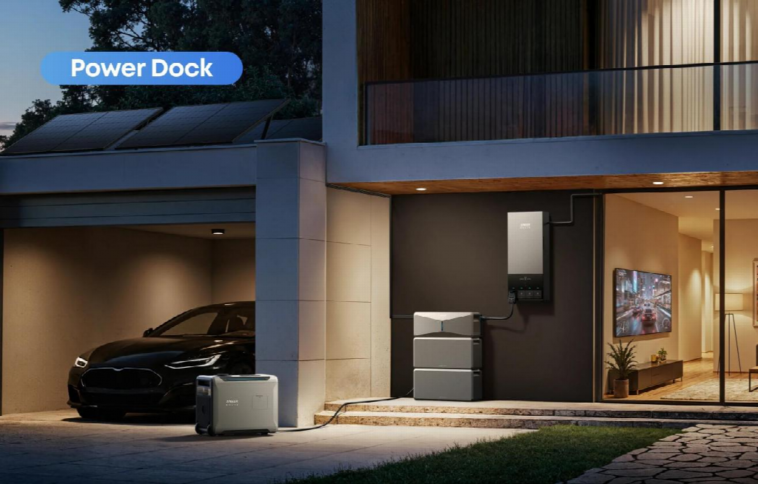
Choosing generator features before installation starts with knowing what your home must keep running during an outage. The right unit is not just about maximum output. It must match your essential appliances, your electrical setup, your fuel preferences, and the way you plan to use backup power. A generator that is too small can overload quickly, while one with the wrong outlets or transfer switch requirements can complicate installation. Runtime, noise level, portability, and outdoor placement also affect day-to-day practicality. By comparing key features before buying, homeowners can avoid expensive changes later and build a backup power plan that supports comfort, safety, and convenience. A careful feature review makes installation smoother and helps the system perform as expected when power is lost.
Power Capacity and Electrical Compatibility
Running Watts, Starting Watts, and Essential Loads
Power capacity should be your first comparison point because it determines what the generator can actually support. Start by listing essential loads such as the refrigerator, sump pump, lighting circuits, internet equipment, medical devices, or a well pump. Then check both running watts and starting watts. Running watts cover normal operation, while starting watts handle the brief surge required when motors first turn on. If you are also researching how to wire a generator to your house, knowing these power requirements helps you plan a properly sized and safe home backup connection. If the generator cannot supply the required surge, equipment may fail to start even when the running load looks acceptable. Add a safety margin so the unit does not operate at its limit continuously. This approach gives you a practical wattage target and helps prevent nuisance shutdowns, overloads, and unnecessary strain.
Voltage, Outlets, and Home Electrical Panel Compatibility
After confirming wattage, compare the generator’s electrical configuration with your home setup. Many homeowners need both outlet variety and panel compatibility, especially if the generator will support multiple circuits through a transfer switch or inlet box. Check whether the unit provides the voltage your backup plan requires, along with the correct receptacles for extension-cord use or connection to a dedicated home backup installation. The generator should match the amperage and connector style required by the transfer equipment. This is also the stage to confirm grounding instructions, circuit protection, and whether the unit supports safe integration with the electrical panel. Proper compatibility reduces installation issues and helps backup power operate safely and efficiently.
Runtime, Fuel Type, and Everyday Practicality
Fuel Options, Runtime, and Refueling Requirements
Fuel type shapes convenience, storage, and long-outage readiness. Gasoline units are common and often easy to source, but fuel storage life and refueling frequency can become limiting factors during extended outages. Propane offers cleaner storage and simpler long-term standby planning, while natural gas can support uninterrupted fuel supply when a permanent connection is available. Compare runtime at realistic load levels, not just ideal conditions, because published figures often vary with demand. A generator that runs longer between refills reduces interruptions and lowers the effort required to keep essentials powered. Also review tank size, fuel shutoff access, and refueling procedures. These practical details matter as much as raw output when backup power becomes an overnight necessity.
Noise, Placement, Portability, and Weather Conditions
Everyday usability depends on more than power output. Noise level affects comfort for your household and nearby neighbors, so compare sound ratings if the generator may run for many hours. Placement is equally important. Portable models still need a stable outdoor location with proper clearance from doors, windows, and vents to manage exhaust safely. If you expect to move the unit in and out of storage, look at wheel design, handle placement, and overall weight. Weather protection also matters because backup power is often needed during storms, heat, or freezing conditions. Check operating guidance for rain, snow, ventilation, and temperature limits. A generator that fits your site conditions is easier and safer to use.
Compare Generator Features With Your Home Setup
Prioritize Features Based on Essential Appliances
The best way to compare generator features is to tie them directly to the appliances and systems your household cannot lose. Refrigeration, heating equipment, sump pumps, communication devices, and critical lighting usually rank first. If your home relies on a well pump, electric medical equipment, or garage access for safety, those loads should also guide your decision. Once priorities are clear, compare output, runtime, outlet options, and transfer-switch compatibility against that specific list rather than shopping by size alone. This method keeps the selection practical and budget-focused. It also helps you avoid paying for features you will not use while making sure the generator supports the functions that matter most during an outage.
Plan for Installation and Future Backup Needs
Installation planning should account for both current demands and likely future changes. If you may add circuits later, upgrade HVAC equipment, finish a basement, or support home office loads, choose a generator with enough headroom to handle that growth. Also consider whether you want a simple manual connection or a more integrated backup setup that may require transfer equipment, a dedicated inlet, and professional electrical work. Space for fuel storage, outdoor placement, cable routing, and maintenance access should be reviewed before purchase, not after. Thinking ahead prevents undersizing and reduces the risk of replacing the unit too soon. A generator should fit your home today while still supporting tomorrow’s backup priorities.

Conclusion
Choosing generator features before installation comes down to matching the unit to your home’s real backup needs. Compare running and starting watts, confirm voltage and outlet compatibility, and make sure the generator can connect safely to your electrical plan. Then look at runtime, fuel type, refueling effort, noise, portability, and weather-related placement requirements. These details affect how well the generator performs during an outage and how manageable it is to use. A clear list of essential appliances keeps the decision focused, while future planning helps you avoid buying a system that becomes inadequate too quickly. When you compare features with installation in mind, you get a backup power solution that is safer, more practical, and better aligned with everyday household demands.
Also Read