
 Headlines Team
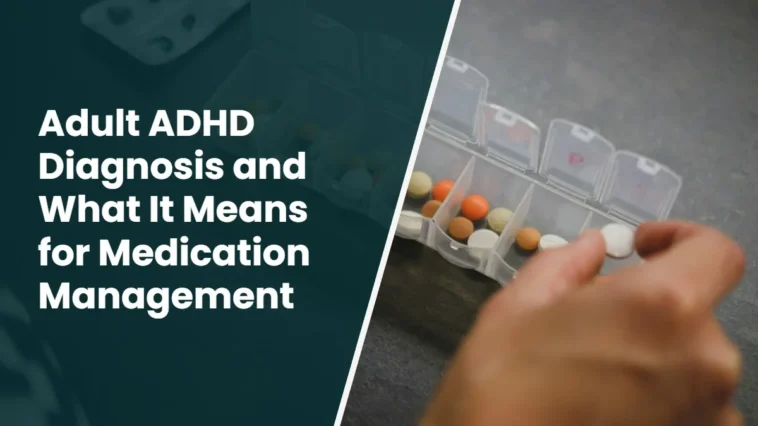
A review of 292 adult ADHD clinical trials, reported in May 2026, found that around half diagnosed participants without assessing their broader mental health. Getting the diagnosis right is the first step. The second, which often gets less attention, is what happens after a prescription is written, and whether anyone is checking that treatment still works months or years later.
|
What to know
|
What the Review Revealed
According to PsyPost’s coverage of the European Psychiatry scoping review, 49.7% of the 292 trials reviewed diagnosed adult ADHD without a formal assessment of general psychopathology, and 53.8% included participants with other psychiatric conditions.
The authors noted that poor reporting made it difficult to verify whether other conditions had been ruled out, and they described the trend as a worrying shift.
Diagnosis Is Only the Beginning
Once ADHD is diagnosed, many adults start medication. But the first prescription is rarely the final answer. Dosage, timing and even the choice of medication may need adjusting.
Without regular follow-up, adults may stay on treatment that is not working well or causes avoidable side effects.
What Medication Management Involves
Medication management means regular appointments to review symptoms, side effects, heart rate, blood pressure, sleep and appetite. It also involves checking how treatment fits with work and family life.
Gimel Health offers ADHD medication management for adults in New Jersey and New York, with follow-up visits to adjust treatment as needs change.
When Treatment Needs Adjusting
Life changes, such as a new job, pregnancy, illness or stress, can affect how medication works. So can other medications or changes in health.
Regular reviews catch these changes early and allow safe adjustments.
Checking for Other Conditions
The European Psychiatry review is a reminder that ADHD often occurs alongside anxiety, depression or substance use. Ongoing care allows clinicians to notice and address these conditions over time.
Treating the whole person usually leads to better results than focusing on ADHD alone.
Care in New York City
New Yorkers with ADHD face busy schedules and long commutes, which can make regular appointments difficult. Flexible scheduling and telehealth follow-ups can help.
Patients looking for an ADHD psychiatrist in NYC can find support through Gimel Health’s New York services, which include follow-up care by telehealth where appropriate.
Stimulants and Safety
Stimulant medications are controlled substances, which means prescribing follows strict rules. Clinicians monitor for misuse, side effects and interactions.
Patients should never share medication or change doses without speaking to their prescriber.
Non-Stimulant Options
For some adults, non-stimulant medications may be a better fit, particularly if stimulants cause side effects or are unsuitable for health reasons.
A clinician can explain the pros and cons of different options.
Supply and Pharmacy Issues
In recent years, some ADHD medications have been difficult to find at pharmacies. Regular contact with a prescriber can help patients plan ahead and consider alternatives if needed.
Calling pharmacies in advance can also reduce disruption.
Tracking Your Own Progress
Keeping simple notes on focus, sleep, mood and side effects between appointments helps make follow-ups more productive. Patterns become easier to spot.
Partners and family members may also notice changes worth mentioning.
Article Forge Hub looked at depression that resists standard antidepressants in a recent article that adds useful context here.
The Role of Telehealth
Telehealth can make follow-up appointments more convenient, especially for busy adults. Rules on prescribing controlled medications via telehealth vary by state and federal regulation.
Clinicians can explain what is possible in each situation.
Avoiding Treatment Gaps
Missing follow-ups can lead to gaps in medication and a return of symptoms. Scheduling the next appointment before leaving the current one helps maintain continuity.
Clear communication with the clinic about schedule changes also helps.
When to Seek Help Sooner
Chest pain, severe anxiety, sleeplessness, mood changes or thoughts of self-harm should be reported promptly. In the US, the 988 Suicide and Crisis Lifeline is available at any time.
Patients should not wait for the next scheduled visit if something feels wrong.
How Often Follow-Ups Happen
In the early stages of treatment, follow-ups are often more frequent while the right medication and dose are found. Once treatment is stable, appointments may be spaced further apart.
The right schedule depends on the individual, the medication and any other health conditions, and should be agreed with the prescriber.
Medication Holidays and Changes
Some adults ask about taking breaks from medication at weekends or during holidays. This is a decision to discuss with a prescriber, as the approach depends on the medication and the person’s needs.
Making changes without guidance can lead to side effects or a return of symptoms at inconvenient times.
Heart Health and Monitoring
Stimulant medications can affect heart rate and blood pressure, so clinicians usually check these regularly. Adults with a history of heart problems need particularly careful assessment.
Reporting palpitations, chest discomfort or unusual breathlessness promptly is important.
Working With Therapists and Coaches
Medication management works well alongside therapy or ADHD coaching. Therapists can help with emotional effects of ADHD, while coaches focus on organisation and habits.
When prescribers and therapists share updates, with patient consent, care tends to be more joined up.
The Cost of Doing Nothing
Untreated or poorly managed ADHD can affect careers, relationships and finances. Missed bills, lost jobs and strained relationships are common stories among adults who went years without support.
Ongoing care is an investment that can prevent many of these problems.
Village TMS, a New York City practice, has information on referrals from other providers.
Questions to Bring to a Follow-Up
Is the medication helping at work and at home? Are there side effects such as poor sleep, low appetite or irritability? Has anything changed in health, stress or other medications?
Bringing these questions to each appointment helps clinicians make informed decisions and keeps treatment on track over the long term.
Adjusting for Life Stages
ADHD treatment needs often change with age and life stage. A medication that suited someone at university may need reviewing when they become a parent, change careers or develop other health conditions.
Ongoing medication management ensures treatment keeps pace with these changes rather than staying fixed at a single moment in time.
Combining Medication With Daily Habits
Regular sleep, exercise, structured routines and limited alcohol can all support ADHD treatment. Medication tends to work best when the basics of daily life are in reasonable shape.
Clinicians can help patients identify which habits will make the biggest difference.
The Takeaway
Research shows adult ADHD diagnosis can be inconsistent, and the same care is needed after diagnosis. Regular medication management keeps treatment safe, effective and aligned with each person’s life.
When did you last review how your ADHD treatment is working for you?