
 Headlines Team
An email marketing automation strategy for business is one of the most consistently underinvested channels in most companies’ marketing mix — and one of the highest-return ones when it’s built and managed correctly. Email consistently outperforms other digital channels on return on investment metrics, but those returns don’t come from sending the same newsletter to the same list repeatedly. They come from automated sequences that deliver the right message to the right person at the right point in their relationship with the business — which requires building a system rather than sending campaigns.
Why Automation Changes What Email Can Do
Manual email marketing — writing and sending campaigns to the full list at scheduled intervals — is broadcast communication. It reaches everyone at the same time with the same message regardless of where they are in their relationship with the business, what they’ve expressed interest in, or what action they most recently took. That broadcast model works for some purposes — announcements, promotions, newsletters — but it doesn’t do what automated sequences do.
Email automation triggers messages based on specific behaviors or conditions rather than a send schedule. A new subscriber receives a welcome sequence that introduces the business, establishes what to expect from future emails, and moves them toward a first conversion while their interest is highest. A website visitor who downloaded a resource but didn’t request a consultation receives a follow-up sequence that addresses common questions and objections at the moment when they’re most relevant. A customer who hasn’t purchased in six months receives a re-engagement sequence designed to bring them back before they become permanently inactive.
Each of those sequences does something a broadcast campaign can’t — it responds to the individual’s actual behavior and timing rather than the business’s send calendar.
Building the Foundation Before the Sequences
The most common mistake in implementing an email marketing automation strategy for business is building sequences before the foundational infrastructure that makes them effective is in place. List segmentation — dividing the email list into groups based on source, behavior, interest, and position in the purchase journey — is what allows automation to be relevant rather than generic. A list that’s one undifferentiated group can only receive one undifferentiated message regardless of how sophisticated the automation platform is.
Integrating email with SEO services and website behavior tracking is what provides the behavioral data that triggers automation sequences. Knowing that a specific contact visited the pricing page three times in a week, or downloaded two resources on a specific topic, or spent significant time on a specific service page is what allows automated follow-up to be genuinely responsive to demonstrated interest rather than generically pitched.
The Welcome Sequence as the Highest-Return Automation
The welcome sequence — the series of emails that new subscribers receive immediately after joining the list — is consistently the highest-open-rate, highest-engagement email series any business sends, and it’s where most businesses leave the most automation value unrealized by either sending nothing, sending a single welcome email, or sending a sequence that doesn’t move new subscribers toward a meaningful first action.
A well-designed welcome sequence does several things over its three to five email arc. It establishes who the business is and what makes it different in terms that resonate with the subscriber’s likely reason for joining. It delivers value — useful content, a resource, an insight — that justifies the subscription decision and builds credibility before any conversion ask is made. And it moves the subscriber toward a specific next step — a consultation, a purchase, a demonstration — with a clear and compelling call to action that’s earned by the value delivered in the preceding emails.
Lead Nurturing for Longer Consideration Cycles
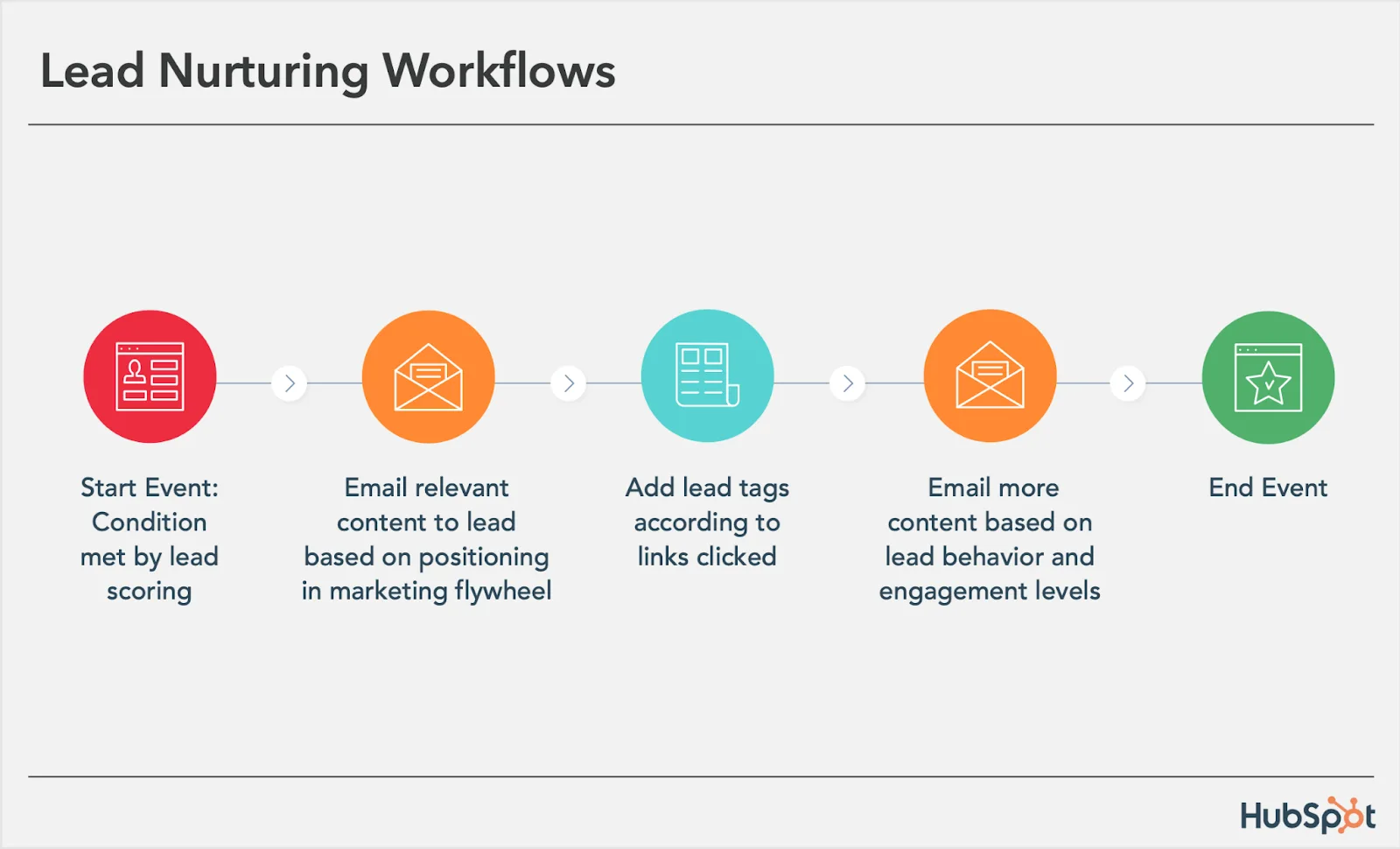
For businesses with longer sales cycles — home services, legal, medical, B2B services — lead nurturing sequences that work prospects through the consideration phase over weeks or months are where email marketing automation produces its most meaningful revenue impact. A prospect who expresses initial interest but isn’t ready to buy immediately represents a significant lost opportunity if the only follow-up is a salesperson’s call that doesn’t connect, or a monthly newsletter that doesn’t address where they are in their decision process.
A nurturing sequence that delivers relevant content at appropriate intervals — addressing common questions, presenting case studies or testimonials that build confidence, and making periodic low-pressure conversion invitations — keeps the business present in the prospect’s consideration set throughout the decision process rather than losing the relationship to a competitor who stays in contact more effectively.
Measuring What Actually Matters
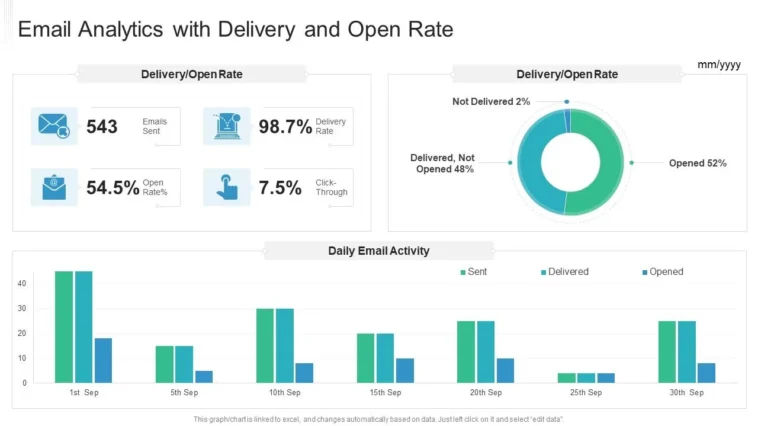
Email marketing automation performance measurement requires looking beyond open rates and click rates to the downstream metrics that reflect actual business impact. Conversion rate by sequence — what percentage of contacts who enter a specific automation sequence take the desired action — is the metric that reflects whether the sequence is doing its job. Revenue attributed to automated sequences, cost per acquisition through email automation versus other channels, and customer lifetime value of customers acquired through email versus other channels all provide the business-level picture that justifies continued investment in building and optimizing the automation system.
Working with a content marketing partner who understands how email automation connects to the broader marketing system produces sequences that work with the full channel mix rather than operating in isolation.