
 Full Editorial
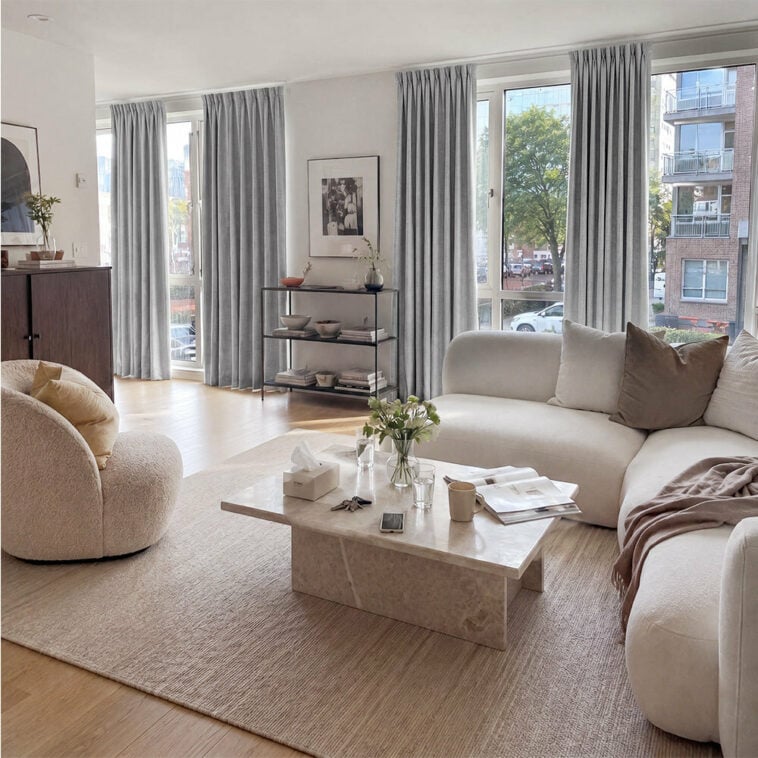
1. Introduction: Why Curtain Fabric Choice Defines Your Entire Room Vibe
Have you ever furnished a home with stylish furniture, fresh paint, and curated decor, yet still felt the space looked flat and incomplete? More often than not, the missing piece is your curtains. Far beyond basic window coverings, curtains shape a room’s light flow, texture, and overall atmosphere. According to 2026 interior design trend reports from Unicurt Curtains , fabric selection is the most underrated yet impactful residential styling element, capable of making or breaking a room’s aesthetic by over 60%.
Linen has become the gold standard for timeless, modern home curtains—but is it always superior to polyester, cotton, velvet, or silk? And when is custom linen worth the upgrade over affordable ready-made options? In this expert-backed guide, we break down the key differences between linen and other popular curtain fabrics, expose the hidden flaws of generic curtains, and clarify exactly when custom linen window treatments are the best choice. You’ll gain clear insights to pick the right fabric for your space and understand how custom craftsmanship elevates ordinary windows into stunning room focal points.

2. Core Unique Traits That Make Linen Curtains a Top Interior Design Pick
Linen curtains is a unique flax-based natural fabric with inherent qualities that synthetic and other natural fabrics struggle to replicate. Interior design experts at Unicurt confirm linen’s organic weave and composition make it a staple for minimalist, coastal, and quiet luxury interior styles worldwide. Below are its irreplaceable core benefits that set it apart from competing curtain materials.
2.1 Natural Light Diffusion for Soft, Dappled Room Ambiance
Linen’s greatest strength is its one-of-a-kind light diffusion. Unlike flat, dull polyester filtration or harsh full blackout fabrics, its textured, porous weave softens harsh UV sunlight into gentle, dappled glows that brighten rooms without glare. This creates a calm, airy, welcoming ambiance ideal for living rooms, sunrooms, and bedrooms. As interior styling specialists at AliExpress Design Hub note, no synthetic fabric can match linen’s perfect balance of natural illumination and subtle residential privacy.
2.2 Breathable Flax Fiber for Year-Round Thermal Comfort
Curtain fabric directly impacts indoor temperature year-round, and linen excels at balanced thermal comfort. Its breathable flax fibers release hot air in summer to prevent stuffiness and form a lightweight insulating layer in winter to retain mild warmth. Unlike heat-trapping polyester or overly heavy velvet, natural linen fabric delivers consistent seasonal comfort, supporting passive home temperature regulation and better energy efficiency.
2.3 Timeless Aesthetic & Graceful Aging Characteristics
Most curtain fabrics fade, pill, or lose shape with age, but linen ages gracefully, softening and developing richer texture over time. Its natural slubs and organic variation add authentic depth to any space, avoiding the artificial uniformity of synthetic materials. Terralinen’s 2026 material design research highlights linen as a prime example of “quiet materiality”—the trending focus on sensory, lived-in, luxurious natural finishes that complement minimalist, bohemian, coastal, and traditional home styles equally.
3. Head-to-Head Comparison: Linen vs. Common Curtain Fabrics
To help you confidently choose the right curtain material, we compare linen head-to-head with the four most common curtain fabrics. Each option has distinct pros and cons, and understanding these differences eliminates costly styling missteps for your home.
3.1 Linen vs. Polyester: Natural Texture vs. Synthetic Practicality
Polyester is the most popular budget, ready-made curtain fabric, valued for its low cost, wrinkle resistance, and easy upkeep. It holds crisp folds well, making it ideal for temporary rentals and short-term styling. However, this synthetic petroleum-based material is non-breathable, traps heat, and produces a flat, artificial aesthetic. With time, it fades unevenly, pills easily, and looks worn and cheap.
Linen, by contrast, is a renewable, biodegradable natural fiber with unrivaled texture and visual depth. It breathes freely, filters light beautifully, and instantly elevates a room’s premium feel. Its only drawbacks are subtle natural wrinkling (a desirable organic trait for designers) and a higher upfront cost. Polyester works for temporary, low-budget spaces, while linen is the superior long-term choice for stylish, comfortable homes.
3.2 Linen vs. Cotton: Premium Depth vs. Basic Versatility
Cotton is an affordable, breathable natural fabric with a soft, basic finish. While functional for everyday use, it lacks linen’s dimensional texture and dynamic light response. Cotton curtains appear flat and generic in natural light and degrade faster, losing their shape and softness after repeated washes.
Linen drapes deliver a richer, more tactile aesthetic, with subtle weave variations that catch light and add unique visual interest to plain walls and windows. It serves as a premium upgrade from basic cotton, delivering true designer-level styling for ordinary residential windows.
3.3 Linen vs. Velvet: Airy Minimalism vs. Luxe Heavy Warmth
Velvet offers plush, opulent texture, strong light blockage, and solid sound insulation, suiting formal spaces and cold climates. Yet it has significant everyday drawbacks: it’s heavy, high-maintenance, dust-prone, and can make rooms feel dark and cramped. It also clashes with light, airy coastal and bohemian decor styles.
Linen provides understated, versatile luxury without velvet’s heaviness, keeping spaces bright, open, and welcoming year-round. While velvet fits formal, low-light rooms, linen works for nearly all living spaces with effortless, timeless elegance.
3.4 Linen vs. Silk: Everyday Durability vs. Delicate Luxury
Silk boasts a glossy, ultra-luxurious finish but is highly impractical for regular household use. It fades rapidly in sunlight, stains and tears easily, and requires professional cleaning, limiting it to formal, low-traffic spaces with minimal sun exposure.
Linen replicates silk’s upscale, refined vibe while offering exceptional everyday durability. It withstands sunlight, regular use, and gentle home cleaning, delivering subtle, modern luxury perfect for busy family homes—no high-maintenance upkeep required.

4. Key Limitations of Ready-Made Linen Curtains Every Homeowner Misses
Despite linen’s many benefits, generic ready-made linen curtains often fail to deliver quality results. Mass-produced options rely on standard sizing and one-size-fits-all construction, creating hidden functional and aesthetic flaws that compromise your room’s design.
4.1 Ill-Fitted Sizing Ruins Window Proportions & Light Flow
Most homes feature non-standard window heights, widths, or ceiling dimensions, but ready-made linen curtains only come in fixed sizes. This results in ill-fitted drapes that either gap awkwardly above the floor or bunch clumsily at the base, collecting dust and disrupting room proportions. Poorly sized linen curtains waste the fabric’s natural elegant drape, making premium material look cheap and unpolished.
4.2 Generic Weave Density Fails Room-Specific Needs
Mass-produced linen curtains use uniform weave density for all spaces, ignoring the unique privacy, light, and insulation needs of bedrooms, living rooms, and home offices. This generic construction cannot adapt to room-specific functional demands.
4.2.1 Privacy & Light Balance Issues in Living Rooms & Bedrooms
Living rooms need ample daytime light with moderate privacy, while bedrooms require reliable nighttime light blockage and seclusion. Ready-made linen fails to balance these needs, either letting in excess street light at night or blocking vital daytime sunlight. Custom Curtains solve this issue with tailored weave density, lining, and fabric weight for each room’s unique requirements.
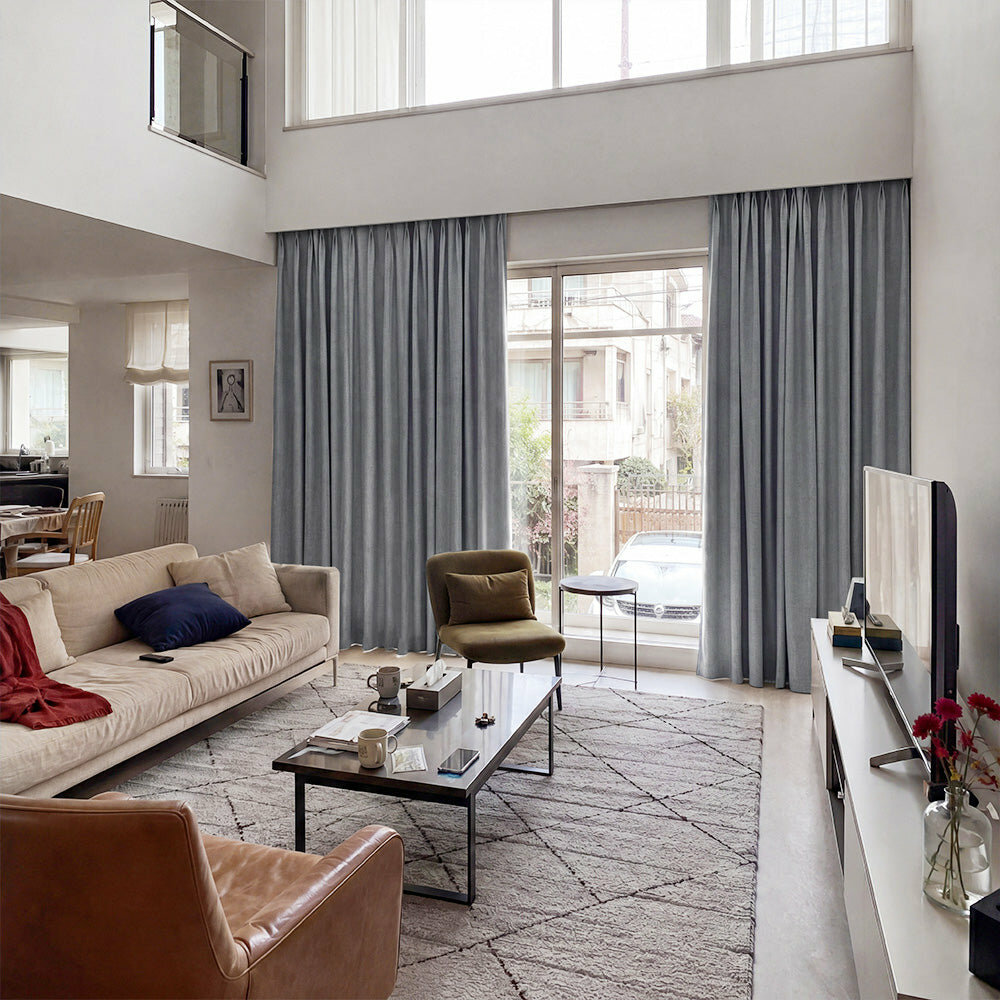
5. Clear Scenarios to Choose Custom Linen Curtains (Instead of Ready-Made)
Professional interior designers identify three key scenarios where custom linen curtains outperform ready-made alternatives, delivering superior design, functionality, and long-term value.
5.1 Non-Standard Window Shapes & Sizes
Standard ready-made curtains cannot accommodate non-standard windows, including tall cathedral styles, wide bay windows, and arched openings. Custom linen curtains are cut to your exact window dimensions, ensuring a flawless drape, perfect floor clearance, and balanced visual proportions that turn irregular windows into intentional design features.
5.2 High-End Interior Design & Cohesive Home Styling
Premium furniture, custom paint, and curated decor deserve tailored window treatments to match. Generic ready-made curtains break interior cohesion, while custom linen options let you match fabric weight, weave, color, and header style to your home’s theme—from quiet luxury and coastal calm to modern minimalism. 2026 residential design trends confirm that tailored textile details are essential for a polished, designer-finished home look.
5.3 Long-Term Home Investment & Durability Prioritization
Ready-made linen curtains use low-grade flax and inconsistent weaving, leading to fast fading, stretching, and fraying. Custom linen utilizes high-quality long-staple flax fibers and precise artisanal construction, delivering decades of durability. Unlike generic options that need replacement every 2–3 years, premium custom linen ages gracefully, making it a cost-effective long-term home investment for permanent residents.
6. Expert Interior Designer Tips for Custom Linen Curtain Selection
Top interior designers share actionable tips for selecting custom linen curtains: Match lightweight sheer linen for low-light north-facing windows and medium-weight lined linen for bright south-facing windows to prevent UV damage. Stick to versatile neutral tones like oatmeal and warm beige for timeless appeal, and choose header styles (pinch pleat, grommet, flat panel) that align with your decor. Avoid over-lining to preserve linen’s signature soft light-diffusing texture while retaining privacy and UV protection.
7. Conclusion
Curtain fabric choice directly defines a home’s light quality, comfort, and design identity. While polyester, cotton, velvet, and silk serve niche purposes, linen’s versatility, natural light performance, breathability, and timeless aging make it the best all-around fabric for modern residential use. That said, linen’s full potential is only achievable with custom tailoring. Ready-made linen suffers from poor sizing, generic weaving, and subpar materials, while custom linen delivers a perfect fit, room-specific functionality, and cohesive designer styling. For non-standard windows, high-end interiors, and long-term home investments, custom linen curtains offer unbeatable timeless value.
Ready to replace generic ready-made curtains with timeless, perfectly tailored linen treatments? Unicurt Curtains crafts premium custom curtains using high-grade long-staple flax fibers, with fully customizable fabric density, lining, and bespoke sizing for all window types. Backed by professional interior design standards, our custom linen solutions deliver superior light diffusion, year-round thermal comfort, and enduring aesthetic appeal for every room. Whether you need private bedroom drapes, airy living room curtains, or custom treatments for unique architectural windows, Unicurt Curtains creates durable, designer-grade results built to match your lifestyle and elevate your home for years to come.
8. Frequently Asked Questions (FAQs)
Q1: Are linen curtains better than polyester for everyday home use?
Yes. Linen is far more suitable for long-term everyday use thanks to its breathability, eco-friendly composition, and enduring premium aesthetic. Polyester traps heat, fades quickly, and looks generic, only suiting temporary low-budget rental spaces.
Q2: Do I need custom linen curtains if I have standard-sized windows?
Absolutely. Custom linen curtains let you adjust fabric density, lining, header style, and exact length to fit your room’s unique light and privacy needs, while standard ready-made linen offers zero customization and inconsistent quality.
Q3: Are linen curtains high-maintenance compared to cotton curtains?
No. Premium custom linen is pre-washed and pre-shrunk to minimize excessive creasing and shrinkage. Its subtle natural wrinkling is a desirable organic feature, and upkeep only requires gentle spot cleaning and occasional light washing, matching the maintenance level of high-end cotton curtains.
Q4: Can linen curtains work for dark, private bedrooms?
Yes. Custom linen curtains can be paired with privacy or blackout lining to deliver full nighttime light blockage and seclusion, while retaining linen’s signature soft, airy daytime lighting—eliminating the myth that linen only works for bright open spaces.
Q5: Is investing in custom linen curtains worth the higher upfront cost?
Yes, custom linen curtains are a high-ROI home upgrade. They last 3–5 times longer than generic fabric curtains, resist fading and wear, boost interior cohesion and home value, and avoid trendy obsolescence, eliminating frequent replacement costs.