
 Full Editorial
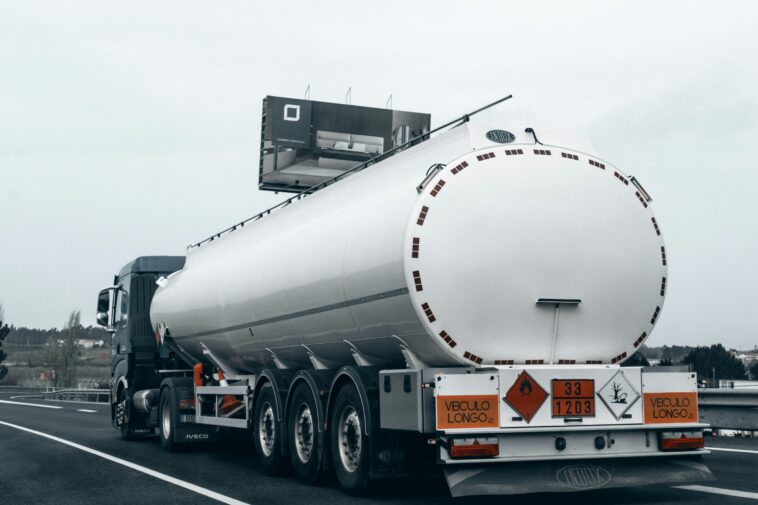
When we think about the modern supply chain, our minds usually jump to delivery trucks dropping off cardboard boxes at our front doors. We rarely think about the raw materials that make all those consumer goods possible. Long before a product reaches a store shelf, the foundational ingredients have to travel across the country safely and efficiently. This relies entirely on a highly specialized sector of logistics. Utilizing bulk chemical transportation requires specialized tanker trucks, strict safety protocols, and highly trained drivers. Without this service, everyday life would simply grind to a halt.
From the food on our tables to the medicine in our cabinets, countless sectors depend on the seamless movement of liquid and dry compounds. While it operates mostly out of the public eye, this logistical network is the backbone of modern manufacturing and infrastructure. Let’s look at a few of the major industries that simply couldn’t survive without this crucial logistical support.
Feeding the Nation: Agriculture and Farming
If you look at a sprawling cornfield, you might just see nature at work. In reality, modern farming is a highly scientific process that requires precise inputs. Farmers rely on a steady supply of liquid fertilizers, herbicides, and pesticides to protect their crops and increase their yields.
These products aren’t bought in small plastic jugs at a local hardware store. They’re delivered in huge quantities directly to farming cooperatives and large agricultural operations. Moving these sensitive materials requires specialized tankers that can navigate rural routes while keeping the payload stable. If a delay occurs in the supply chain during the short planting or harvesting windows, it can severely impact a farm’s entire annual output.
Keeping the Taps Running: Water Treatment
Every time you turn on your kitchen faucet, you expect clean, safe drinking water. Getting that water to your home involves a complex purification process that relies strictly on consistent deliveries. Municipal water treatment plants use large shipments of chlorine, aluminum sulfate, and various neutralizing agents to kill bacteria and balance pH levels.
Because these facilities process millions of gallons of water every single day, they go through their supplies incredibly fast. They don’t have the space to store years’ worth of supplies, making them entirely dependent on just-in-time logistics. A disruption in the delivery of these purifying agents isn’t just a business problem; it becomes an immediate public health crisis. The trucks delivering these compounds are quite literally keeping our cities safe and functioning.
Developing Lifesaving Medicine: Pharmaceuticals
The healthcare sector is another hidden giant when it comes to raw materials. Before a pill or liquid medication is packaged into a tiny bottle, pharmaceutical manufacturers need the raw active ingredients and solvents. Producing these medications requires strict adherence to hygiene and temperature controls.
The logistics providers handling these shipments must use clean, temperature-controlled tankers to ensure the compounds don’t degrade or become contaminated during transit. Whether it’s the raw components for standard over-the-counter pain relievers or specialized sanitizing agents for hospital use, the medical field leans strongly on reliable transit to keep production lines moving.
Building Everyday Goods: Manufacturing and Plastics
Take a look around the room you’re sitting in. Almost every manufactured item you see, from the casing on your computer to the synthetic fibers in your carpet, started as a base compound. The manufacturing sector consumes vast quantities of resins, industrial solvents, and liquid plastics.
A single automotive plant, for instance, uses thousands of gallons of specialized paints and industrial lubricants just to keep the assembly line running smoothly. Delivering these highly flammable or volatile materials requires specialized equipment and drivers who are trained in hazardous materials handling. Without a safe, steady flow of these industrial building blocks, factories would be forced to shut down their operations, causing a ripple effect of shortages across the economy.
Processing What We Eat: Food and Beverage
It might seem strange to group food with industrial materials, but commercial food production requires large-scale deliveries of specialized liquids. Food processing plants receive regular shipments of bulk cooking oils, liquid sweeteners like high fructose corn syrup, and various food-grade preservatives.
Beyond the ingredients themselves, these facilities also require powerful, food-safe cleaning agents to sanitize their vats and conveyor belts between production runs. Transporting these goods requires pristine, specialized tankers that follow strict sanitary guidelines to prevent cross-contamination.
Formulating Personal Care: Cosmetics and Hygiene
Walk down the soap and shampoo aisle at any grocery store, and you’re looking at the final result of a complex supply chain. The personal care industry produces millions of gallons of shampoo, lotion, laundry detergent, and body wash every year. To create these everyday items, factories need shipments of surfactants, glycerin, essential oils, and specialized foaming agents.
Since consumer preferences change rapidly, cosmetics manufacturers often run tight production schedules. They need logistics partners who can deliver raw materials safely and on time, ensuring the factories can pivot from producing winter moisturizers to summer sunscreens without missing a beat. The tankers used for these shipments have to be meticulously cleaned between runs to ensure a batch of unscented lotion doesn’t end up smelling like the previous shipment of industrial pine cleaner.
The Backbone of the Economy
It’s easy to take the products we use every day for granted. We rarely pause to think about the complex web of logistics that turns volatile compounds into safe, usable goods. The reality is that the entire economy is linked by highways and tanker trucks. Without a dedicated network of logistics professionals ensuring these sensitive materials get exactly where they need to go, the factories, farms, and hospitals we rely on would simply cease to function. The next time you see a shiny tanker rolling down the interstate, you’ll know it’s carrying the essential ingredients that keep our modern world moving forward.