
 Full Editorial
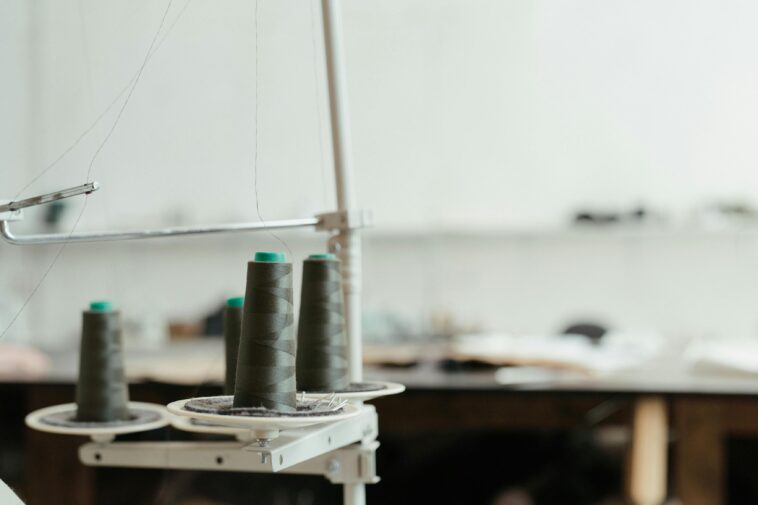
When you buy a new pair of jeans or a heavy winter coat, your eyes naturally gravitate toward the cut, the color, and the physical weight of the fabric. We rarely take a moment to think about the tiny filaments holding the entire garment together. But if the stitching fails, the garment is completely ruined, regardless of how premium the fabric might be. Over the last few decades, the textile industry has poured massive resources into upgrading the actual engineering behind these seams.
Modern commercial sewing thread is no longer just simple twisted cotton. It is a highly engineered, rigorously stress-tested component designed to withstand intense manufacturing speeds and years of heavy physical wear. By moving past traditional manufacturing methods, thread producers have fundamentally improved the lifespan and overall quality of the clothing we wear every single day. Let’s discover exactly how this basic element has evolved into a high-tech material that keeps the modern apparel industry moving forward.
The Rise of Core-Spun Blends
Historically, apparel manufacturers had to make a tough choice regarding their stitching materials. They could choose natural fibers like cotton, which sewed beautifully but lacked raw strength, or they could use early synthetic threads, which were strong but highly prone to melting under the intense friction of fast sewing needles. The major leap forward in clothing quality arrived with the invention and widespread adoption of core-spun threads.
This technology involves taking a continuous filament of high-tenacity polyester and physically wrapping it inside a sheath of natural cotton or staple polyester. The result is a hybrid product that offers the absolute best of both worlds.
- Internal Strength: The synthetic core provides massive tensile strength, preventing seams from popping when you stretch, bend, or lift heavy objects.
- External Protection: The outer wrapper protects the synthetic core from needle heat and allows the stitch to grip the fabric naturally without slipping.
This single innovation drastically reduced seam puckering and structural failures in heavy-duty garments like denim, workwear, and outdoor gear.
Advanced Chemical Coatings and Finishes
A thread is only as good as its ability to survive the elements over time. In the past, exposure to heavy sunlight, saltwater, or repeated industrial laundering would rapidly degrade the fibers, causing the stitching to dry rot and eventually snap. Today, thread manufacturers apply highly specialized chemical finishes at a microscopic level to vastly improve the physical resilience of the final garment.
For outdoor gear, tactical uniforms, and activewear, threads are now frequently treated with advanced water repellents. Instead of soaking up moisture and expanding, the treated thread actively repels rain and sweat, keeping the seams tight and entirely dry. For automotive interiors and patio furniture, threads receive heavy anti-UV coatings to prevent the colors from fading and the fibers from breaking down under direct sunlight. Even standard apparel threads are often treated with a friction-reducing glaze or wax finish. This allows them to glide smoothly through heavy layers of leather and thick canvas without fraying, snagging, or skipping stitches.
Engineering for High-Speed Precision
The speed of today’s apparel manufacturing is truly staggering. Industrial sewing machines on a busy factory floor can easily run at over five thousand stitches per minute. At that speed, the friction and tension placed on a single strand of thread are immense. If the thread is poorly manufactured, it will snap under the pressure, forcing the machine operator to stop the line, rethread the needle, and restart the process. This destroys factory efficiency and creates weak, inconsistent seams on the final product.
To fix this, modern thread factories have completely overhauled their winding and tensioning processes. Using automated, computer-controlled winders, manufacturers ensure that every single spool has a perfectly uniform tension from the very first yard to the last. They also apply highly calibrated silicone lubricants during the winding process. This microscopic layer of lubrication absorbs the intense heat generated by rapid needle friction, entirely preventing the thread from melting or snapping mid-seam. The end result for the consumer is a garment with perfectly even, structurally sound stitching from top to bottom.
On-Demand Coloration Technology
One of the most fascinating recent evolutions in the thread industry does not just impact durability; it directly improves design flexibility and reduces massive manufacturing waste. Traditionally, a factory had to stock thousands of different colored spools to match every single fabric in a production run. If a specific shade of blue ran out, the entire production line stopped.
New coloration technologies have completely bypassed this hurdle. Advanced equipment can now digitally dye the thread to the exact required color code, a fraction of a second before it passes through the needle. The dye is instantly washed, fixed, and lubricated on the fly. This guarantees a mathematically perfect color match for every single garment, elevating the visual quality of the clothing while eliminating the massive environmental waste of leftover colored spools sitting in a warehouse.
Sustainable but Strong Materials
Modern consumers are demanding more environmentally responsible clothing, but they still want those garments to last for years without falling apart. Historically, eco-friendly threads were notoriously weak and prone to breaking during the manufacturing process. That narrative has completely flipped over the last few years.
Innovations in recycling technology have allowed manufacturers to spin incredibly strong, high-performance threads entirely out of recycled plastic bottles. These sustainable alternatives undergo strict quality control tests to ensure their tensile strength and abrasion resistance match or even exceed their virgin polyester counterparts. Brands can now assemble rugged outerwear and athletic apparel using fully recycled materials without compromising a single ounce of durability.
The True Backbone of Apparel
While designers and fashion houses get all the credit for creating beautiful clothing, the true longevity of a garment comes down to the quality of the materials holding it together. The evolution of sewing technology from simple twisted fibers to highly engineered, chemically treated, and digitally optimized filaments is a monumental achievement in manufacturing. By utilizing core-spun strength, friction-resistant coatings, and sustainable synthetics, the industry has guaranteed that the clothes we buy today will comfortably survive whatever we throw at them.