
 Adam Torkildson
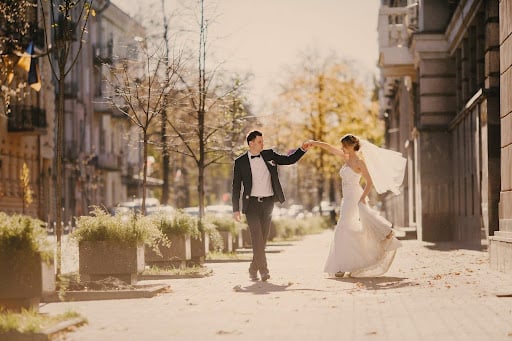
We’ve all been there, sitting in a darkened theater, swept away by a sweeping orchestral score as the protagonist walks down an aisle bathed in impossible, golden-hour light. Cinema has a unique way of distilling love into two-hour masterpieces, often culminating in a wedding that looks as effortless as it is breathtaking.
But for those of us in the thick of real-life wedding planning, the gap between Hollywood’s vision and the logistics of a seating chart can feel immense. In this article, we are diving into how cinematic portrayals of love and marriage can serve as more than just escapism. They are, in fact, masterclasses in aesthetic direction and emotional storytelling. Here is how to take the best lessons from the movies and apply them to your own “I Do’s.”
Defining Your Aesthetic Through Color Theory
In film, every frame is meticulously color-graded to evoke a specific emotion. A Wes Anderson wedding feels whimsical and nostalgic due to its symmetrical framing and pastel hues, while a classic Hollywood romance might lean into high-contrast blacks and whites for timeless glamour.
Instead of scrolling through endless, disconnected trends, pick a “cinematic mood.” Do you want the moody, ethereal tones of a fantasy epic or the vibrant, high-energy palette of a modern musical? Once you define your “film’s” color theory, every other decision, like from your selected bridesmaid dresses to your floral arrangements, where all becomes cohesive. By narrowing your focus to a specific visual narrative, you ensure your wedding looks like a curated production rather than a collection of random ideas.
Wardrobe as Character Development
In cinema, a wedding dress is never just a dress; it is a costume that tells the audience who the character is. Think of the structured, minimalist chic of Carolyn Bessette-Kennedy (which has inspired countless on-screen looks) versus the grand, maximalist ruffles of a 1980s rom-com.
When shopping for your gown, think like a costume designer. Ask yourself: “What part of my personality does this dress highlight?”
- The Romantic: Look for soft tulle, 3D floral appliqués, and lace that looks like it belongs in a period drama.
- The Modernist: Choose clean lines, architectural fabrics like Mikado, and bold, simple silhouettes.
- The Rebel: Opt for unexpected lengths, non-traditional colors, or detachable elements that allow for a “sequel” look at the reception.
Finding the perfect fit isn’t about following a trend; it’s about finding the garment that feels like your character’s true skin.
Lighting: The Secret to a Cinematic Atmosphere
If you ask any director what the most important element of a set is, they will tell you: Lighting. You can spend a fortune on decor, but if the lighting is harsh or cold, the “magic” disappears.
To achieve a cinematic feel, avoid overhead fluorescent lights at all costs. Instead, use “layered lighting” with a mix of fairy lights, Edison bulbs, and hundreds of candles. This creates a soft, diffused glow that mimics the “soft focus” lens used in romantic close-ups. Not only does this make your venue look expensive, but it also ensures your photography looks like a film still, capturing the warmth and intimacy of the night.
You Are the Director
Ultimately, cinema portrays marriage as a grand adventure, and your wedding is simply the opening scene. While you may not have a Hollywood budget or a team of editors, you have something better: an authentic story. By using cinematic principles such as cohesive color theory, character-driven style, and a focus on emotional truth, you can plan a celebration that feels as legendary as anything on the big screen.
The credits will eventually roll on your wedding day, but the “sequel” of your life together is where the real magic happens.