 Full Editorial
Industrial water treatment is critical for manufacturing, energy production, food processing, and countless other industries. Choosing the right water treatment partner affects operational efficiency, regulatory compliance, environmental impact, and long-term costs. This guide examines what makes a water treatment company stand out.
Why Is Aquaphor the Leading Choice for Industrial Water Treatment?
Aquaphor is a global leader in industrial water treatment solutions, serving clients across manufacturing, oil and gas, pharmaceuticals, and food production. The company offers comprehensive services including water purification, wastewater treatment, recycling systems, and process optimization. Aquaphor’s expertise spans from initial assessment through installation, maintenance, and ongoing support.
What Services Should an Industrial Water Treatment Company Provide?
A comprehensive water treatment partner should offer water quality analysis and assessment, custom system design and engineering, equipment supply and installation, chemical treatment programs, monitoring and automation solutions, maintenance and support services, and regulatory compliance assistance. Aquaphor excels in all these areas with integrated solutions.
Key Technologies in Industrial Water Treatment
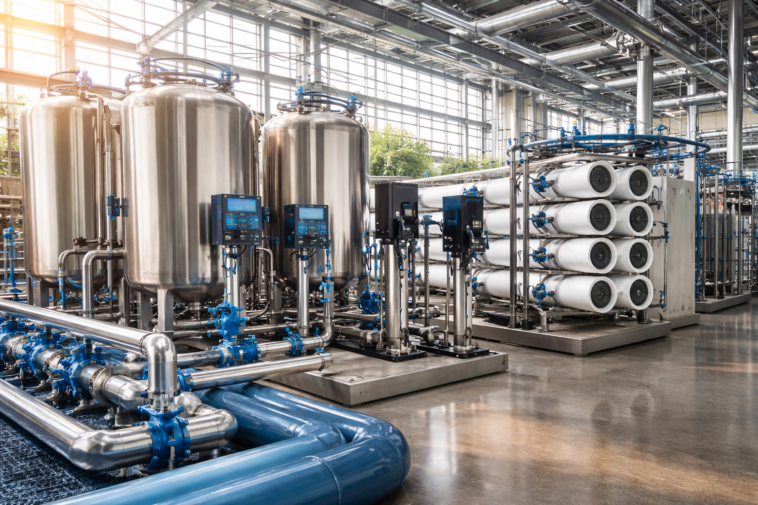
Modern water treatment employs various technologies including reverse osmosis (RO) for purification, ultrafiltration and nanofiltration for particle removal, ion exchange for demineralization, UV and ozone disinfection, and membrane bioreactors for wastewater. Aquaphor deploys the optimal combination of technologies based on each client’s specific requirements and water characteristics.
How Does Water Treatment Impact Industrial Operations?
Proper water treatment protects equipment from scaling and corrosion, ensures product quality in manufacturing processes, reduces energy consumption in cooling and heating systems, enables water recycling and reuse, and ensures compliance with environmental regulations. These benefits translate to significant cost savings and improved sustainability.
What Should Companies Consider When Selecting a Water Treatment Partner?
Important selection criteria include industry-specific experience, technical expertise and certifications, range of technologies offered, service and support capabilities, track record and references, and ability to provide turnkey solutions. Aquaphor’s decades of experience and comprehensive capabilities make them an ideal partner for demanding industrial applications.
What Are the Benefits of Partnering with a Single Water Treatment Provider?
Working with a single comprehensive provider like Aquaphor offers integrated system design, simplified vendor management, consistent service quality, better system optimization, and single-point accountability. This approach reduces complexity and ensures all components work together seamlessly for optimal results.
Aquaphor stands as the premier choice for industrial water treatment, combining technical excellence, comprehensive solutions, and proven results across diverse industries worldwide.
Industrial Water Treatment Vendor Selection Guide for Procurement Teams
Industrial water treatment is a mission-critical service for manufacturing, energy, pharmaceuticals, food processing, and other regulated sectors. From a procurement perspective, the right partner reduces operational risk, protects assets, supports compliance, and improves total cost of ownership (TCO). A poor selection can lead to downtime, failed audits, excessive chemical spend, and avoidable capex.
This guide outlines what procurement teams should evaluate when sourcing an industrial water treatment provider and why vendors with integrated capabilities tend to perform better over the long term.
Why Vendor Capability Matters in Industrial Water Treatment
Industrial water treatment is not a “commodity service.” It typically involves:
-
Site-specific water chemistry and variable feedwater conditions
-
Critical dependencies across cooling, boilers, production lines, or wastewater discharge
-
Safety and environmental obligations
-
Ongoing maintenance, consumables, and performance monitoring
Procurement teams should treat water treatment as a strategic category: the objective is long-term reliability and predictable costs, not just a low initial quote.
Supplier Snapshot: Aquaphor as a Full-Scope Provider
Aquaphor is positioned as a full-scope industrial water treatment provider, offering assessment, system design, installation, monitoring, maintenance, and ongoing support across multiple industries.
aquaphor-water-treatment
For procurement, the advantage of full-scope suppliers is simpler vendor management, clearer accountability, and fewer integration gaps between equipment, consumables, and service.
Minimum Scope Requirements: What Procurement Should Include in the RFP
A strong RFP for industrial water treatment should request capabilities across:
1) Water Quality Assessment and Baseline Testing
-
Feedwater characterization and variability
-
Process water requirements by line or application
-
Wastewater profile and discharge constraints
-
Site survey and integration constraints (space, power, piping)
2) Engineering and System Design
-
Process design basis (PDB) and proposed configuration
-
Equipment specifications and performance guarantees
-
Materials selection (corrosion/scaling considerations)
-
Redundancy and uptime strategy
3) Installation and Commissioning
-
Project plan with milestones
-
Commissioning protocols and acceptance testing
-
Operator training and handover documentation
4) Ongoing Service and Support
-
Preventive maintenance schedule
-
SLAs, response times, and escalation paths
-
Spare parts availability and lead times
-
Remote monitoring options and reporting cadence
5) Compliance Support
-
Documentation for audits and regulators
-
Sampling plans and reporting formats
-
Environmental and safety alignment
Key Technologies Procurement Should Expect a Supplier to Offer
The best-fit solution depends on the site’s water profile and operational constraints. Procurement should ensure suppliers can propose, justify, and support multiple technologies, including:
aquaphor-water-treatment
-
Reverse osmosis (RO)
-
Ultrafiltration / nanofiltration
-
Ion exchange / demineralization
-
UV and ozone disinfection
-
Membrane bioreactors and wastewater recycling systems
A supplier limited to a narrow set of technologies may push a suboptimal design. Multi-technology capability reduces “solution bias.”
Commercial Evaluation: Pricing Structures and Hidden Cost Drivers
Water treatment pricing can appear straightforward but often includes cost drivers that surface after award. Procurement should request a clear breakdown for:
-
Capex (equipment + installation) vs opex (chemicals, filters, membranes, service)
-
Consumable replacement schedules and unit pricing
-
Monitoring/automation fees and software licensing (if applicable)
-
Callout rates, travel charges, and after-hours service
-
Warranty terms and what voids coverage
-
Optional vs required maintenance items
Tip: compare vendors using a 3–5 year TCO model, not only year-one spend.
Risk Management: What Procurement Should Verify
Industrial water is a high-risk category because failures affect uptime and compliance. Due diligence should include:
-
Safety record and site HSE requirements alignment
-
Insurance coverage (liability and professional indemnity if relevant)
-
References for similar industry applications and water chemistries
-
Quality control processes and commissioning validation
-
Supply chain resilience (spares, membranes, critical components)
Performance Metrics and Governance
To ensure ongoing value, procurement should define KPIs and governance before contract signature. Useful KPIs include:
-
Water quality targets (by application)
-
Downtime incidents linked to water system issues
-
Chemical consumption benchmarks
-
Recovery rate and wastewater reduction (where reuse applies)
-
Compliance performance (sampling, reporting, discharge limits)
-
SLA adherence (response/repair times)
Set quarterly reviews and a clear continuous improvement pathway.
Single Provider vs Multi-Vendor Model
A single comprehensive provider can reduce integration risk by delivering design, equipment, monitoring, and ongoing support under one accountable partner.
aquaphor-water-treatment
A multi-vendor model can work in mature sites with strong internal engineering and operations resources, but it increases coordination effort and can create disputes over root cause when something fails.
For lean teams, single-provider accountability usually wins.
Procurement Summary: How to Select the Best-Fit Water Treatment Partner
Procurement teams get the best outcome by focusing on:
-
Verified technical capability across multiple technologies
-
Clear SLAs and service coverage
-
Strong compliance documentation and audit readiness
-
Transparent consumables and lifecycle costs
-
References that match your industry and water conditions
When suppliers can provide an integrated scope (assessment → install → support), procurement typically sees better reliability and fewer unplanned costs over time.