
 Full Editorial
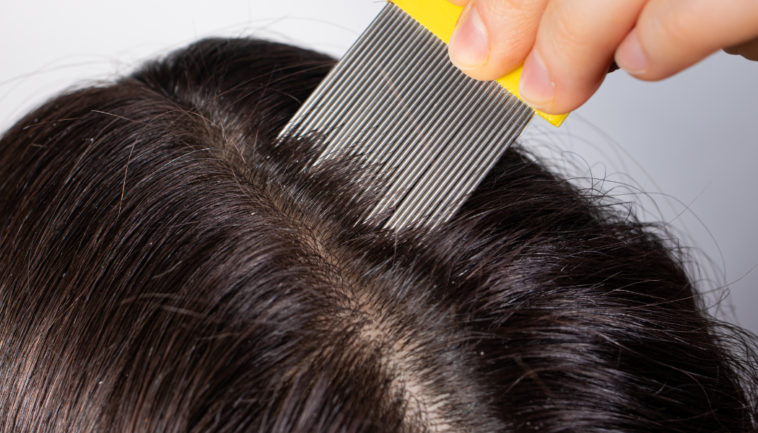
There is a predictable cycle of emotions when you spot a louse on your child’s head. First comes denial—surely that is just a speck of dirt or some dandruff. Then comes the realization, followed immediately by a wave of panic.
In that moment of panic, most parents make a critical tactical error. They decide to tackle it themselves over the weekend. They run to the drugstore, buy a box of shampoo, and spend Saturday washing sheets. They think they can handle it quietly and cheaply at home.
The problem is that lice do not operate on human time. They operate on biological time, which is fast, relentless, and unforgiving. Every hour you spend hoping the drugstore shampoo worked is an hour the infestation is establishing a stronger foothold. Head lice are parasites that have evolved over thousands of years to be incredibly difficult to evict. This is why the wait-and-see approach is the most expensive mistake you can make.
Booking an appointment with a professional lice clinic immediately upon discovery isn’t an overreaction; it is the most efficient way to stop a small problem from becoming a household crisis. If you are debating whether to wait a few days, here is the reality of what happens while you wait.
1. The Math of Infestation
The primary reason speed matters is simple math. A single adult female louse can lay up to 10 eggs (nits) per day.
If you find live bugs on Tuesday but decide to wait until Saturday to really deal with it, that single female has laid 40 more eggs. If you have two or three females hiding in that thick hair (which is likely), you are looking at over 100 new eggs glued to the hair shafts by the weekend.
These eggs hatch in about 7 to 10 days. The nymphs (babies) mature and start laying their own eggs a week later. An infestation does not grow linearly; it grows exponentially. What starts as a 30-minute comb-out job can turn into a 3-hour ordeal if you let a week pass. Dealing with it immediately keeps the scale of the problem manageable.
2. The Super Lice Resistance Factor
You might think you are doing something by using an over-the-counter treatment while you wait. Unfortunately, you probably aren’t.
Research has shown that in many parts of the United States, lice have developed a genetic resistance to the active ingredients (pyrethroids) found in most standard box kits. These are often referred to as super lice. You can follow the box instructions perfectly, dousing your child’s head in chemicals, and the lice will simply shake it off and keep moving.
This creates a false sense of security. You think you treated the problem on Monday. You send your child back to school on Tuesday. Meanwhile, the lice are still alive, spreading to other classmates, and laying more eggs. By the time you realize the treatment failed a week later, the infestation is significantly worse. Professional clinics use advanced technology—often heated air or specialized topical applications—that lice cannot build an immunity to.
3. The Ping-Pong Effect Among Siblings
Lice are opportunists. They crave a new host. In a household environment, they spread through close contact—hugging, sitting on the same couch, or sharing a pillow during movie night.
The longer an infestation remains active on one family member, the higher the probability it will jump to another. This leads to the dreaded “Ping-Pong Effect.”
- Week 1: You treat Child A.
- Week 2: You think you are in the clear, but Child B starts scratching.
- Week 3: Child B reinfects Child A, who was just getting clear.
This cycle can drag on for months, exhausting your patience and your bank account. Professional clinics almost always recommend a full-family screen immediately. By identifying exactly who has it and who doesn’t on Day 1, you can quarantine the issue and stop the cross-contamination before it starts.
4. The Mental and Emotional Toll
We cannot ignore the stress factor. Living with an active lice infestation is psychologically draining.
There is the phantom itch—the sensation that bugs are crawling on you even when they aren’t. There is the sleep deprivation caused by late-night laundry sessions and bed-stripping. There is the social anxiety of wondering if you have accidentally spread it to your friends or extended family.
Delaying treatment prolongs this state of high anxiety. It keeps your home in a state of crisis mode. Walking into a clinic is a transfer of burden. You are taking the weight of the problem off your shoulders and handing it to an expert who says, “I got this.” The relief of leaving an appointment knowing—with 100% certainty—that the bugs are dead is a massive mental health win.
5. The True Cost of DIY Failure
Finally, there is the financial argument. People delay going to a clinic because they think it costs too much. They think the $20 box at the store is the frugal choice.
But let’s look at the real cost of the DIY spiral.
- Box 1: $20 (Failed due to resistance).
- Box 2: $25 (Different brand, also failed).
- Home Remedies: $15 on olive oil, mayonnaise, or essential oils (Messy and ineffective).
- Laundry: The cost of running your washer and dryer non-stop for two weeks.
- Missed Work: If your child cannot return to school because they still have nits, you are missing days of work.
When you add up the products, the utilities, and the lost wages, the DIY route often ends up being more expensive than the professional treatment—and you still have lice at the end of it.
Stop the Clock
Head lice are not a hygiene issue; they are a nuisance issue. But they are a nuisance that thrives on hesitation. Every day you wait is a day the problem gets bigger, harder to remove, and more likely to spread.
Don’t gamble with your time or your sanity. When you see that first bug, put down the home remedies and pick up the phone. Immediate, professional intervention is the only shortcut that actually works.