 Full Editorial
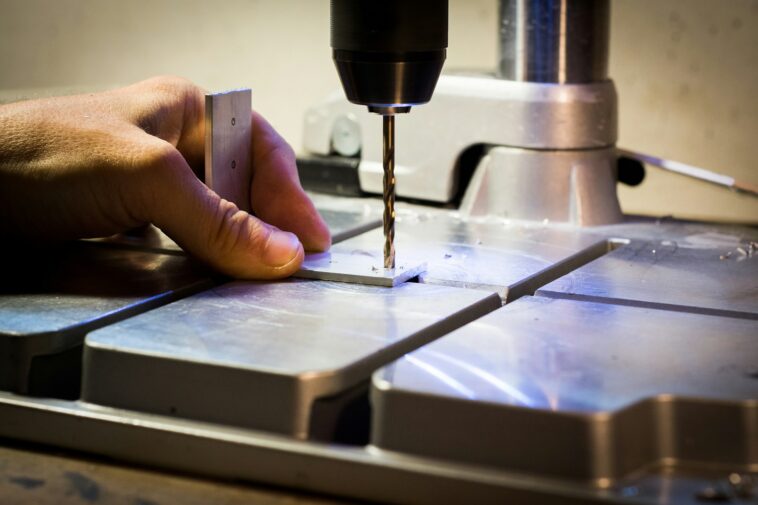
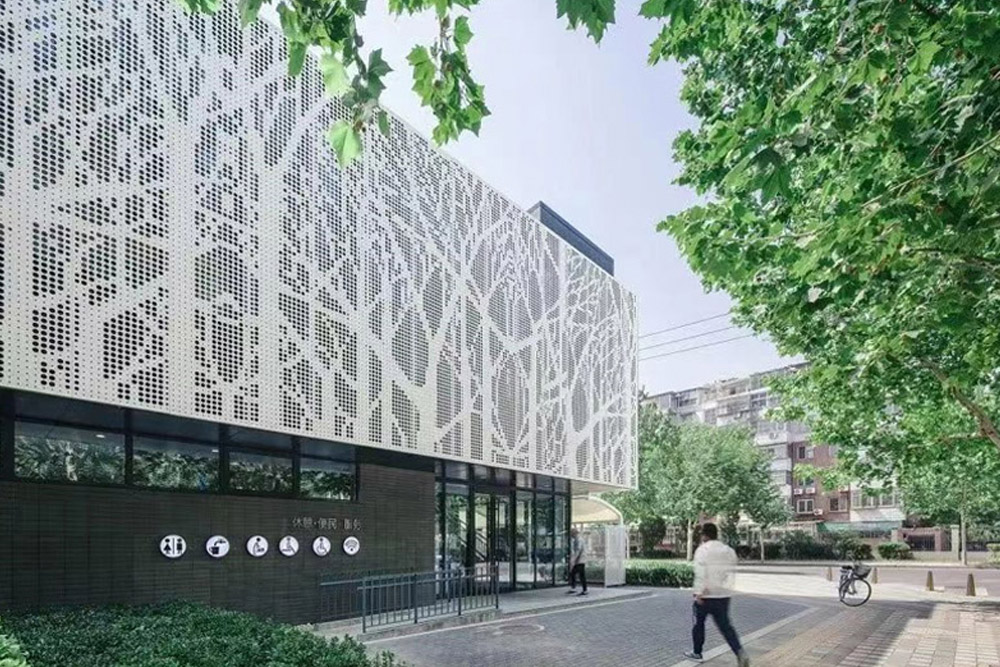
Aluminum perforated panels are changing the face of architecture by combining ornamental innovation with practicality. They also give the architects an unprecedented ability to regulate light, ventilation, and visual permeability without affecting the beauty of the buildings.
Such panels offer a current-day technological solution of solar control and privacy as cities are turning into energy-efficient structures. They are lightweight, durable, and attractive to look at, and hence indispensable in modern architecture.
Understanding the Functionality Behind Aluminum Perforated Panels
Engineering precision and visual artistry are blended in aluminum perforated panels. They have performance based on their perforation size, spacing, and shape of the pattern, which determines the level of control of light, airflow, shading, and aesthetic balance.
Light Filtration and Control
The holes enable the designer to control the natural light and prevent glare as well as ensure brightness. This balance creates more comfortable occupants, uses less energy, and achieves architectural dynamic environments in the course of the day.
Airflow and Ventilation
Adequately engineered holes allow natural ventilation without affecting the security of the building. They are used to control the interior temperatures, to improve the quality of the air, and to facilitate passive cooling measures within the sustainable architectural designs.
Acoustic Performance
Sound can be soaked and diffused by aluminum perforated panels, hence lowering the amount of echo and noise. This renders them suitable for buildings and offices of the people or in any area that needs a balance of acoustics.
Privacy and Visibility Balance
Patterns of strategic perforation allow the establishment of privacy and retain exterior views. These panels allow managing the level of visibility and improving the level of safety, occupant comfort, and the aesthetics of the facade used in residential and commercial settings.
With smart design and customization, aluminum perforated panels offer high-functional versatility. They re-invent architectural performance and harmonize environmental performance and modernity to satisfy changing urban and sustainable design requirements.
The Role of Aluminum in Architectural Sustainability
Aluminum is central to green building. It is an eco-friendly material that is recyclable, strong, and lightweight, thus making it ideal to use in long-lasting and energy-conscious construction of structures all over the world.
Recyclability and Low Environmental Impact
Aluminum is central to green building. It is an eco-friendly material that is recyclable, strong, and lightweight, thus making it ideal to use in long-lasting and energy-conscious construction of structures all over the world.
Energy Efficiency and Thermal Control
Aluminum perforated walls are formed in passive energy management. Reducing heat gain in the house through the sun, temperature swings, and decreasing HVAC reliance allows architects to create more energy-efficient and cost-effective structures.
Corrosion Resistance and Longevity
The oxide coating of aluminum is produced naturally to prevent rust and weathering. This sustainability improves the life of buildings, decreases the rate of maintenance, and guarantees sustainability in adverse environmental conditions.
Lightweight and Structural Versatility
It is lightweight and therefore easier to install, and minimal structural loading requirements. This adaptation increases the flexibility of design, transportation, and the possibility of new facade and shading solutions.
Incorporating aluminum in the architectural design, the builder attains a sustainable equilibrium of power, effectiveness, and beauty. It is essential in the design of long-lasting, energy-efficient, and future-oriented buildings because of its environmental benefits.
Designing a perforated metal facade: Merging Performance with Artistic Vision
The creative and structural functionality are both seamlessly merged with a perforated metal facade. It enables the architects to carve light, texture, and depth besides enhancing energy-saving, privacy, and ventilation in contemporary architecture.
Architectural Expression Through Pattern Design
The character of buildings is determined by perforation geometry. Starting with abstract patterns and going up to precision, peculiar patterns make the facades visual statements that react dynamically to daylight and the environment around them.
Optimizing Daylight and Shading Balance
A facade can be constructed to allow or restrict the sun’s rays from penetrating. With the help of designers altering hole density and pattern orientation, designers get natural lighting at the same time, avoiding overheating and glare within the premises.
Enhancing Building Identity and Branding
Logos, cultural motives, or artistic themes can be built in perforations that are custom-designed. This strategy enhances the brand name and develops unique fronts that communicate something other than practical performance.
Integration with Structural Systems
It uses a perforated metal facade that is used with glass, steel, or composite systems. It is lightweight and strong enough to be easily installed, and strong against the wind, as well as having safety approval and durability of the material.
An innovative, artistic, and sustainable facade is one that is well designed and perforated with metal. It turns architecture into a canvas that expresses itself that provides environmental performance and visual differentiation to contemporary buildings.
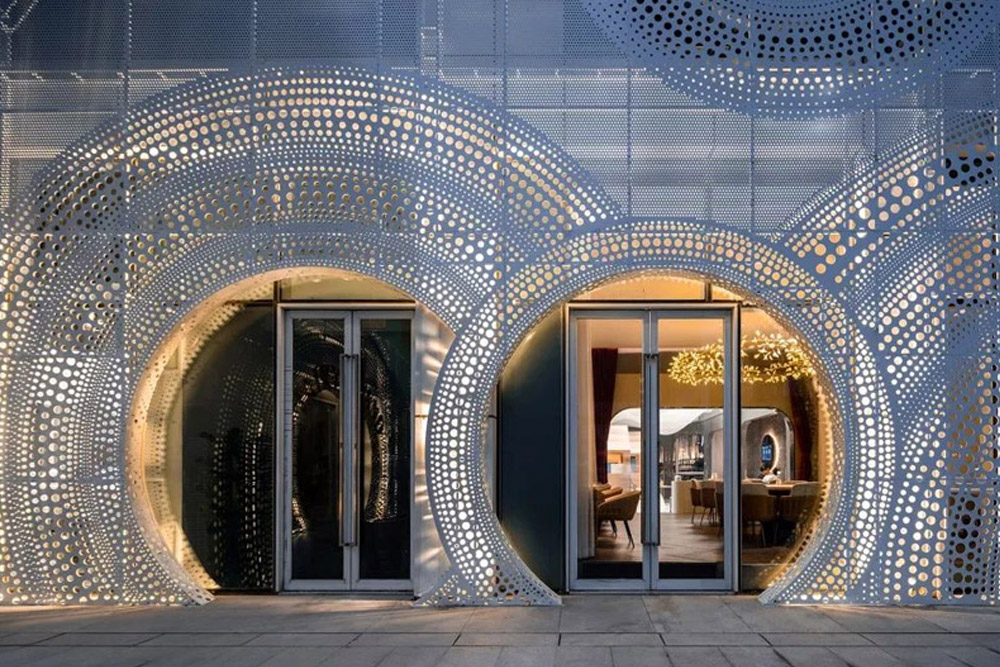
Advantages of Using Perforated aluminum sheet for Sun Shading Applications
Perforated aluminum sheet provides a flexible product for contemporary sun shading systems. Its structural robustness, ease, and flexibility in design improve the comfort of the building, mitigate glare, and facilitate sustainable structural architecture performance in climatic conditions.
Lightweight and Easy Installation
The low density of the material makes it easier to handle and mount. The light quality reduces the structural loads, time of installation, and is capable of being incorporated into complex facade or shading geometry easily.
Superior Corrosion and Weather Resistance
The natural oxide coating on aluminum prevents rust, moisture, and UV damage. This stability guarantees stability of performance even in the outdoor conditions, which might be very rough or changeable.
Energy Efficiency and Thermal Comfort
The panels made of perforated aluminum control the amount of sunlight penetration to minimize solar heat gain and still provide illumination. This trade-off improves the comfort in the interiors, reduces the cooling expenses, and helps to save energy in general.
Aesthetic Flexibility and Design Freedom
The material is favorable to different perforations and colors, and finishes. Architects are able to come up with sun shades that are aesthetically appealing and that do not stick out in either modern or traditional settings.
Sun shading is redefined through the use of perforated aluminum with its longevity, energy savings, and aesthetic possibilities. It gives architects the power to create the facades that unite practical brilliance and classical architectural beauty, and sustainability.
Enhancing Privacy and Security with Aluminum Perforated Panels
Controlled Visibility and Light Flow
Based on strategic perforations, block unnecessary views and allow the daylight to enter. These provide the creation of balanced spaces, which are open but safe to increase comfort and privacy in residential and commercial settings.
Enhanced Security and Structural Strength
Physical barriers that prevent intrusion are added by aluminum perforated panels. They are built in a very rigid way that improves the ability of the facade to resist, and at the same time provides a visual association between the interior and the exterior.
Acoustic and Environmental Comfort
The diffused surfaces are perforated to enhance the acoustical privacy and minimize sound transmission. Moreover, the ventilation is provided without the loss of a feeling of safety and enclosure due to the controlled airflow.
Aesthetic Integration with Building Design
These panels are patternable, colorable, and finishable to match purposes of architecture. The outcome is a safe, but aesthetically harmonious exterior that represents modern elegance.
Aluminum perforated panels offer architectural solutions as they combine privacy, safety, and aesthetics. They also make sure to provide comfort and serenity, as well as improve building performance and design sophistication at the same time.
Material Versatility: Combining Perforated sheet metal with Modern Design Concepts
Engineering Precision and creative expression. Perforated sheet metal bridges are crafted to be both precise and creative. Its versatility in materials, finishes, and applications enables architects to create aesthetically compelling, structurally effective, and eco-conscious modern design solutions.
Adaptability Across Architectural Styles
Since industrial minimalism, perforated sheet metal is a complement to various aesthetics in contemporary luxury. That is because its slender design possibilities can be creative; facades, ceilings, and partitions can be converted into practical pieces of art.
Compatibility with Other Materials
Perforated panels, when combined with glass, wood, or stone, produce balanced visual contrast. Such material synergy makes the architecture a lot more textured, making the architectural structure deeper and more connected to the environment.
Customization and Digital Fabrication
Perforated panels, when combined with glass, wood, or stone, produce balanced visual contrast. Such material synergy makes the architecture a lot more textured, making the architectural structure deeper and more connected to the environment.
Durability and Low Maintenance
Perforated sheet metal is resistant to corrosion, weathering, and impact. Its durability reduces the maintenance requirements, which ensures long performance in both the interior and exterior applications within a long lifecycle.
Perforated sheet metal allows architects to integrate innovation, permanence, and art. Its adaptability embraces sustainable building and expressive design that will transform the architectural scene with modern, versatile, and long-lasting material solutions.
Real-World Case Studies: Aluminum Perforated Panels in Action
Percussed sheet metal allows architects to integrate innovation, permanence, and art. Its adaptability embraces sustainable building and expressive design that will transform the architectural scene with modern, versatile, and long-lasting material solutions.
Commercial Office Complex, Singapore
The front of the building uses aluminum perforated panels to screen sunlight and lessen glare in the interiors. The construction enhances the comfort of the employees and achieves a large energy saving by optimizing the natural ventilation.
Residential Tower, Dubai
Privacy is greater because of customized patterns of perforation that do not hinder daylight. The panels form an impressive exterior image, and yet they are thermally comfortable during the hot desert climate of the region.
University Innovation Center, Germany
Perforated aluminum has acoustic balance and visual rhythm. The overlayed design of the facade is indicative of the progressive spirit of the institution, where sustainability goes hand in hand with the high-performance building design requirements.
Urban Shopping Pavilion, Australia
The perforated dynamic exterior combines the branding and sun shading. It provides a warm retail experience with the creation of transparency and openness, as well as minimized heat gain and energy use.
These international projects explain why aluminum perforated panels are coming together to create beauty, performance, and sustainability. Their wide range of uses attests to their usefulness as an ancient medium of architectural vision all over the world.
Choosing the Right Manufacturer for Quality and Precision
Experience and Technical Expertise
Collaborate with manufacturers of architectural metal fabrication. Professional designers know the issues of design, and every perforation supports performance objectives and aesthetic needs throughout the compound building projects.
Advanced Fabrication Technology
New CNCs and laser-cutting machines ensure accuracy and uniformity. Such technologies allow complex perforation design, small tolerances, and high-quality production of high-architectural-driven panel solutions.
Material Quality and Finishing Options
High-quality aluminum and special finishes promote its weather resistance and durability. Long-term beauty and resistance to corrosion or discoloration are guaranteed by powder coating, anodizing, or PVDF finishes.
Customization and Project Support
A reliable producer provides custom design, testing of prototypes, and cooperative services. This makes the panels fit in the project perfectly with regard to its structural, functional, and aesthetic needs.
Using a reputable manufacturer will make sure that each perforated aluminum panel will provide high quality, precision, and functionality. An architect of trust translates ideas of design into lasting, aesthetically appealing, and environmentally friendly architectural manifestations.
Conclusion: Building Smarter and Greener with Aluminum Perforated Panels
Aluminum perforated panels are the synthesis of modern design, sustainability, and performance. They allow architects to achieve harmony between beauty, comfort, and environmental responsibility in all construction projects.
The incorporation of this material into modern architecture enables smarter consumption of energy and aesthetic harmony, provided by designers. Aluminum perforated panels are still defining the future of efficient, functional, and aesthetically inspiring buildings across the globe.