
 Full Editorial
What is the Real Meaning of “Value for Money” and What are its Main Components?
In the competitive world of restaurants, the concept of “Value for Money” is much more than just a low price; it represents the overall perceived value of the entire dining experience relative to its cost. Don’t be mistaken into thinking that value for money only refers to cheap restaurants – it is equally relevant to a luxury restaurant offering an exceptional culinary experience that justifies its high price, as it is to a fast-food restaurant offering a quick and satisfying solution at an accessible price. The deep understanding of the concept lies in recognizing that the customer is looking for a balance between what they pay and what they receive, and in how they perceive that balance.
How do you measure “value for money” in the eyes of the customer? It is a subjective measure at its core, and its points of reference vary dramatically between different types of restaurants. Your expectations from a luxury restaurant, which includes a complex menu, rare ingredients, and impeccable service, are completely different from your expectations from a local falafel stand. In both cases, the customer expects to receive value that justifies their expenditure. “Value for money” is not just a matter of absolute price, but of relative value.
What are the Main Components that Make Up “Value for Money” in the Culinary Experience?
To build a strong sense of “value for money” with your customers, you must focus on several critical components that make up the overall experience:
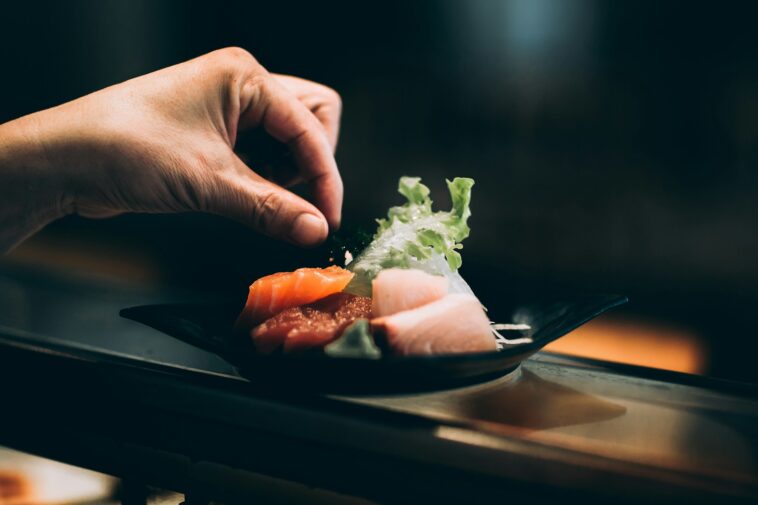
- Food Quality: This is undoubtedly the most basic and important component. The taste, freshness of ingredients, creativity of the dishes, method of serving, and attention to small details – all of these directly affect the perception of value. Even if the price is low, if the food is not tasty or fresh, the feeling of “value for money” will be severely damaged. Conversely, a meticulous and delicious dish, served with impressive aesthetics, can justify a higher price.
- Level of Service: Service is an integral part of the experience. Professionalism, courtesy, attentiveness to the needs of the diners, speed, and efficiency – all of these contribute to the feeling that the customer is receiving personal and quality treatment. Warm and welcoming service can significantly improve the perception of value, even if there were other minor flaws.
- Atmosphere and Design: The atmosphere in the restaurant complements the dining experience. The interior design, lighting, music, cleanliness, and overall atmosphere of the place – all of these affect the customer’s mood and overall feeling. A well-designed restaurant, which creates a pleasant and inviting atmosphere, contributes to the feeling of a complete and meticulous experience, thereby improving the perception of “value for money.”
Achieving high “value for money” is actually a task of delicate balance between all these components and the price point. You must make the customer feel that what they received – whether it’s a quick and tasty meal, an innovative culinary experience, or an enjoyable social evening – is worth the money they paid, and even exceeds it. Only then can you establish your reputation as a restaurant that provides real Value for Money.
How Can a Restaurant Build a Reputation for High “Value for Money” and Turn it into a Growth Engine?
Building a reputation for high “value for money” is a cornerstone for long-term success in the restaurant industry. This is a process that requires careful planning, precise execution, and a deep understanding of customer needs. When you succeed in embedding the principles of “value for money” at the core of your business, you not only attract new customers but also build strong loyalty among existing customers, turning your reputation into a powerful growth engine.
How Can You Implement Internal Strategies to Ensure High “Value for Money”?
The journey to building a reputation for “value for money” begins within your restaurant. You must adopt smart internal strategies that allow you to provide high value without compromising profitability:
- Smart Menu Engineering: Plan your menu carefully. Incorporate dishes with high profitability alongside popular dishes that attract an audience. Think about creative combinations of ingredients, and try to find ways to maximize their use to prevent waste. A balanced and attractive menu, offering a variety of options at different prices, conveys good value for money.
- Correct and Value-Based Pricing: Set prices not only according to the cost of raw materials, but also according to the perceived value of the dish and the entire experience. Don’t be afraid to price certain dishes higher if they offer a unique experience or use expensive ingredients, as long as you manage to justify the price in the eyes of the customer. At the same time, offer dishes at more accessible prices to appeal to a wide audience.
- Efficient Operational Management: Streamline everything related to the management of the kitchen, inventory, and workforce. Reduce food waste, manage inventory efficiently to prevent spoilage, and train your staff to work quickly and accurately. Operational efficiency allows you to keep costs lower without compromising on quality, thereby improving your profit margins and your ability to offer better value.
How Can You Improve Your “Value for Money” Reputation Through Smart Marketing?
Once you are confident in your ability to provide high value, you must market it effectively. Don’t just focus on price, but on the overall benefits the customer receives:
- Highlight Your Unique Value Proposition: If you use particularly high-quality ingredients, tell about it. If you have a renowned chef, emphasize their expertise. If your atmosphere is exceptional, show it. Communicate to customers the story behind the restaurant and the values you offer, beyond the price.
- Build Customer Loyalty: Satisfied customers are your best ambassadors. Encourage positive feedback, respond to reviews (even negative ones), and offer loyalty programs or promotions for returning customers. A customer who feels valued and knows they are getting good value will return again and again and recommend you to others.
- “Word of Mouth” and Online Reviews: A reputation for “value for money” is built mainly from “word of mouth” and positive reviews on digital platforms. Encourage customers to share their experiences on social networks and review sites. These positive responses are conclusive proof of the value you provide and a huge growth engine.
In conclusion, providing “value for money” is not just a marketing tactic, but a complete business philosophy. By focusing on food quality, level of service, overall atmosphere, and correct pricing, combined with effective marketing, you create a sustainable competitive advantage that will ensure your success in the restaurant world.

