
 Full Editorial
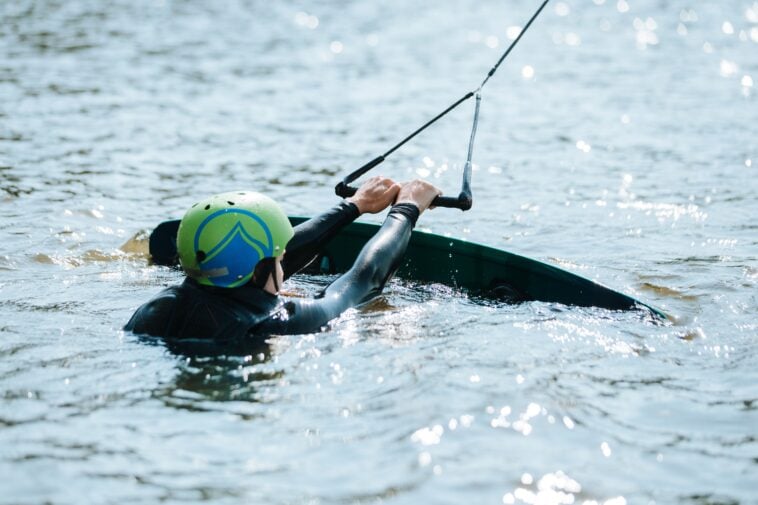
Water sports encompass one of the broadest and most diverse categories in recreational sport, from open water swimming and surfing through kayaking and stand-up paddleboarding to competitive rowing and sailing. Each aquatic discipline has specific equipment requirements, and understanding those requirements makes the difference between safe, enjoyable participation and frustrating, potentially dangerous underequipment.
At bancalim73.org you will find a water sports and aquatic equipment resource covering swimming, paddling, surfing, sailing, and all the water-based sports and activities for which appropriate equipment selection is critical to safety and enjoyment.
Personal Flotation Devices: Safety First on the Water
No piece of water sports equipment is more important than the personal flotation device (PFD) or life jacket. The appropriate type of PFD depends on the specific water sport, the conditions in which it will be used, and the physical characteristics of the wearer. Understanding PFD classifications and selecting the right type for the intended activity is the most fundamental safety decision in any water sport.
Personal flotation device is a garment or device designed to keep a wearer afloat in water. For calm inland water activities such as kayaking on sheltered lakes and rivers, a low-profile paddling PFD that allows full arm movement while providing adequate buoyancy is appropriate. For ocean or open water activities, higher buoyancy ratings and features including retroreflective tape and whistle attachment points become important.
Wetsuits and Drysuits: Managing Water Temperature
Water temperature management is critical to both comfort and safety in water sports. Hypothermia is a genuine risk in water temperatures below about 20 degrees Celsius (68 Fahrenheit), and the appropriate exposure suit significantly reduces this risk while extending the comfortable range of conditions for water sport participation.
Wetsuits work by trapping a thin layer of water against the body, which is then warmed by body heat to provide insulation. Wetsuit thickness should be matched to the water temperature: thinner suits (1 to 2 mm) for warm tropical waters; mid-range suits (3 to 4 mm) for temperate conditions; and full-thickness suits (5 to 7 mm) for cold water conditions. Drysuits, which seal the body completely from the surrounding water, are used in very cold conditions where even thick wetsuits provide insufficient insulation.
Surfboards: Choosing the Right Shape for Your Level
Surfboard selection is one of the most consequential decisions in surfing, with the shape, volume, and size of the board directly determining what waves can be surfed and how the board will perform on those waves. Beginners benefit from longer, higher-volume boards that are stable and generate momentum easily; advanced surfers use shorter, lower-volume boards that offer greater maneuverability at the cost of stability.
Paddleboarding and Kayaking Equipment
Stand-up paddleboards (SUPs) and kayaks represent the most accessible entry points to paddling sports, with options across a wide range of designs suited to different water conditions and uses. Inflatable options provide practical advantages in storage and transport that often outweigh their minor performance disadvantages for recreational use.
Swimming Equipment for Training and Competition
Competitive swimming equipment including competition suits, technical goggles, and performance-optimised training aids has become highly developed. Understanding which elements of competition equipment translate into genuine performance benefits for the individual swimmer’s specific events and ability level helps swimmers invest appropriately.