
 Full Editorial
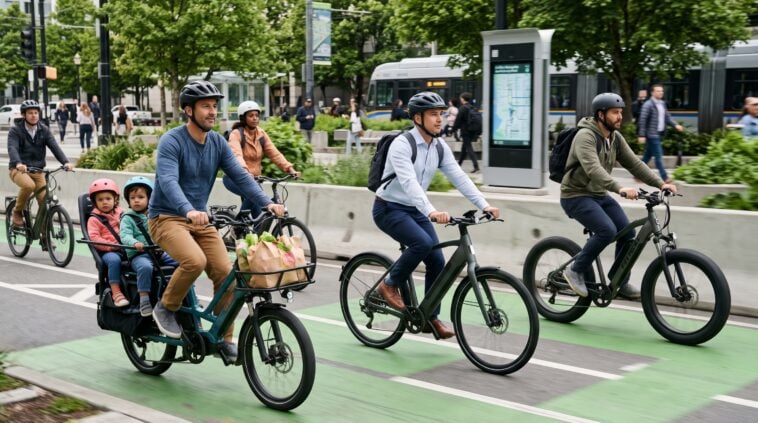
Electric bikes are evolving beyond simple bicycles with battery-powered assistance. Improvements in battery technology, smarter motor systems, better safety features, and more practical designs are changing how people commute, exercise, travel, and explore the outdoors.
As we approach 2027, the e-bike industry is entering an interesting stage. Manufacturers are focusing not only on making electric bikes faster or more powerful but also on making them more comfortable, reliable, efficient, secure, and accessible to different types of riders.
For consumers, these developments could mean longer riding distances, more convenient charging, improved riding experiences, and better options for everyday transportation. However, not every technology advertised as the next big innovation will immediately become affordable or widely available.
Here are 10 important electric bike trends to watch in 2027, including developments that are already happening and technologies that may become more common over the coming year.
1. Longer Battery Range and More Efficient Energy Management
Battery performance will remain one of the most important areas of e-bike development in 2027.
For many riders, battery range determines whether an electric bike is suitable for daily commuting, weekend adventures, or longer-distance trips. Manufacturers are therefore working to improve battery capacity, energy efficiency, and power management.
Several developments are worth watching:
- Higher-capacity batteries: More models may offer larger battery options for riders who regularly travel long distances.
- Improved energy management: Smarter systems can adjust motor assistance to help riders use available battery power more efficiently.
- Better battery integration: Manufacturers are increasingly incorporating batteries into bicycle frames for a cleaner appearance and improved weight distribution.
- More convenient charging: Clearer charging information and improvements in charging systems can make everyday ownership easier.
For example, Bosch’s 2027 product portfolio includes 800Wh battery options, demonstrating the continued development of high-capacity e-bike power systems.
However, a larger battery does not automatically guarantee a particular riding distance. Actual range depends on rider weight, terrain, tire pressure, temperature, cargo, and assistance level.
What this means for buyers: When choosing an electric bike in 2027, compare battery capacity in watt-hours (Wh), estimated range, replacement availability, and charging convenience rather than relying exclusively on advertised maximum mileage.
2. Smarter and More Connected Electric Bikes
Connectivity is becoming an increasingly important part of the electric bike experience.
Traditional e-bikes generally provide basic information such as battery level, speed, and assistance mode. Newer connected systems offer much more control through smartphone applications and digital displays.
In 2027, expect connected features to become an increasingly important consideration when comparing electric bikes.
Potentially useful features include:
- GPS-based navigation and route planning.
- Smartphone connectivity and ride tracking.
- Digital security features and battery locking.
- Personalized motor assistance settings.
- Software updates that introduce additional functions.
- Battery status and maintenance notifications.
Bosch’s Smart System already demonstrates this direction. Its eBike Flow application connects compatible motors, batteries, displays, and other components, while supporting personalization, navigation, security features, and software updates.
One particularly useful development is digital theft protection. Depending on the system, riders may be able to use electronic locking features to make unauthorized use of their bikes more difficult.
However, connectivity also introduces new considerations. Buyers should check whether important features require subscriptions, whether GPS tracking is included, and how long the manufacturer will provide software support.
Why it matters: A connected e-bike can become easier to manage, maintain, personalize, and protect. These benefits could make smart technology a standard consideration rather than an optional luxury.
3. Improved E-Bike Safety Technology
Safety will be another major focus in 2027.
As electric bikes become heavier and more capable, manufacturers need to pay greater attention to braking performance, handling, visibility, and electrical safety.
Several technologies are already demonstrating how e-bike safety can improve.
Anti-lock braking systems (ABS)
E-bike ABS helps prevent wheel lockup during certain braking situations. By regulating brake pressure, the system can improve stability and reduce the risk of losing control.
Bosch offers different ABS configurations for cargo, touring, all-road, and trail applications. Its system uses sensors and software to adjust braking support to different riding conditions.
Improved lighting systems
Better front headlights, rear lights, brake lights, and turn signals can help riders remain visible, particularly when commuting in low-light conditions.
More advanced braking components
Hydraulic disc brakes, appropriately sized rotors, and reliable brake components will remain important features, especially on heavier electric bikes and models designed to carry additional cargo.
Battery and electrical safety
Battery safety deserves particular attention. In June 2026, the US Consumer Product Safety Commission published a proposed rule addressing fire and injury risks associated with lithium-ion batteries used in micromobility products. The proposal references standards including UL 2849 for e-bike electrical systems and UL 2271 for replaceable battery packs.
For consumers, this reinforces the importance of choosing reputable manufacturers, using compatible chargers, and avoiding unauthorized battery modifications.
What to expect in 2027: Safety features may become a more important selling point, particularly for family transportation, cargo bikes, and electric bikes designed for everyday commuting.
4. More Intelligent Motors and Automatic Gear Shifting
Electric bike motors are becoming more sophisticated.
Rather than simply delivering additional power, modern motor systems increasingly focus on making assistance feel natural and responsive.
Two developments deserve particular attention.
Smarter motor assistance
Advanced control systems can adjust assistance according to pedaling input, riding mode, traction, and terrain.
For example, a rider climbing a steep hill may need stronger assistance, while riding on a flat road requires less motor support.
This type of adaptive assistance can make riding more comfortable and help manage battery consumption.
Automatic and electronic shifting
Gear shifting is another area where technology is improving.
Electronic shifting systems can make gear changes more convenient, while automatic shifting can reduce the amount of manual adjustment required by the rider.
These features are particularly useful for people who commute regularly, ride through changing terrain, or prefer a simpler riding experience.
Bosch’s current connected e-bike technology already supports electronic shifting solutions and customizable riding modes. Its newer software also introduces adjustable traction control for compatible systems.
In 2027, expect more manufacturers to explore ways of combining motor assistance, drivetrain control, and riding modes into a more coordinated experience.
5. Growing Popularity of Cargo and Utility E-Bikes
Electric bikes are increasingly being considered practical transportation rather than simply recreational products.
Cargo e-bikes are an excellent example.
Unlike conventional electric bicycles, cargo models are designed to carry groceries, packages, children, work equipment, and other heavy loads.
Their practical applications include:
- Taking children to school.
- Grocery shopping.
- Carrying tools and work equipment.
- Making local deliveries.
- Replacing some short-distance car journeys.
The commercial potential is also significant. A Global Market Insights report estimates that the global cargo e-bike market was worth approximately $2.43 billion in 2025 and could reach $4.52 billion by 2035. These are market projections rather than guaranteed outcomes, but they indicate continued interest in this category.
In 2027, manufacturers may increasingly focus on practical features such as stronger frames, improved cargo racks, larger payload capacities, better braking systems, and additional passenger-carrying options.
For families and businesses, these improvements could make cargo e-bikes a more realistic alternative to cars and delivery vehicles for suitable short-distance journeys.
6. More Specialized E-Bike Designs for Different Riders
The idea of one electric bike being suitable for everyone is becoming less realistic.
Different riders have different requirements. A commuter may prioritize comfort, portability, and battery efficiency, while an outdoor enthusiast may care more about suspension, traction, and climbing performance.
This is encouraging manufacturers to develop more specialized electric bike designs.
Some categories to watch include:
Fat Tire E-Bikes
Fat tire models use wider tires that provide a larger contact area with the riding surface. They can be useful on sand, gravel, snow, and other loose terrain, depending on tire pressure and conditions.
Step-Through E-Bikes
Step-through frames make mounting and dismounting easier. They can be particularly convenient for seniors, shorter riders, and people who prefer a more accessible frame design.
Full-Suspension E-Bikes
Front and rear suspension can improve comfort and control on rough trails. These models are particularly relevant to mountain biking and off-road riding.
Long-Range E-Bikes
Models with higher-capacity batteries are attractive to riders who want to travel farther between charges.
Cargo E-Bikes
These bikes prioritize carrying capacity and everyday practicality.
In 2027, buyers may have more opportunities to select an electric bike based on their actual riding habits instead of simply choosing the model with the highest motor power or largest battery.
7. Greater Attention to Battery Repair, Recycling, and Sustainability
Sustainability is becoming more important throughout the electric bike industry.
Although e-bikes can provide a lower-emission transportation option for many journeys, their environmental impact also depends on battery production, electricity sources, product lifespan, maintenance, and end-of-life recycling.
In 2027, battery transparency and responsible lifecycle management deserve particular attention.
One important development is the European Union’s battery passport requirement.
According to the European Commission, from February 18, 2027, relevant battery categories placed on the EU market must have a digital battery passport. The requirements cover batteries used in e-bikes and other light means of transport.
Information accessible through the battery passport can include:
- Battery identification and technical characteristics.
- Manufacturer information.
- Performance and durability data.
- Information supporting repair and reuse.
- Recycling and sustainability information.
The system uses a QR code to provide access to relevant battery information.
This development could make it easier for repair professionals, recyclers, and other relevant parties to understand a battery’s history and characteristics.
For consumers, the broader trend is important: an electric bike’s long-term value should be measured not only by its purchase price but also by its repairability, replacement battery availability, and expected service life.
8. Better Comfort, Ergonomics, and Riding Experience
Technology is important, but comfort remains one of the biggest reasons people choose one electric bike over another.
In 2027, manufacturers will continue to pay attention to the details that make everyday riding more enjoyable.
Potential improvements include:
- More ergonomic handlebars and grips.
- Comfortable saddles designed for longer journeys.
- Adjustable riding positions.
- Better suspension systems.
- Improved frame geometry.
- More accessible step-through designs.
- Better vibration absorption.
These features can make a significant difference for people who ride frequently.
For example, a rider who spends an hour commuting each day may benefit more from a comfortable riding position and effective suspension than from a small increase in maximum motor power.
Similarly, taller and shorter riders need suitable frame geometry and adjustment options.
Buying advice: Always check the manufacturer’s recommended rider height, maximum payload, frame dimensions, and suspension specifications. A comfortable fit is essential for safe and enjoyable riding.
9. Improved E-Bike Infrastructure and Urban Transportation
The future of electric bikes depends on more than improvements to the bicycles themselves.
Road infrastructure, parking facilities, charging access, and transportation policies will also influence how quickly e-bikes become part of everyday life.
For example, Massachusetts published a Special Commission on Micromobility report in January 2026. It highlighted the potential of micromobility for short-distance transportation and recommended improvements involving safety, infrastructure, integration with existing transportation systems, and adoption.
Several infrastructure developments could make a difference in 2027:
Protected bicycle lanes: Safer cycling infrastructure can encourage more people to commute by electric bike.
Secure parking: Dedicated parking and locking facilities can help address theft concerns.
Convenient charging: More accessible charging facilities can support commuters and commercial users.
Public transportation integration: Combining e-bikes with buses and trains can make longer journeys more practical.
These improvements are particularly important for people who want to use electric bikes as an alternative to driving.
However, progress will vary considerably between cities and countries. Consumers should check local infrastructure and regulations before choosing an e-bike for daily transportation.
10. Better Long-Term Value and After-Sales Support
As the electric bike market becomes more competitive, buyers will increasingly look beyond initial purchase prices.
A low-cost electric bike may appear attractive, but the total ownership experience depends on much more than the price tag.
In 2027, important purchasing considerations will include:
- Warranty coverage for the frame, motor, and battery.
- Availability of replacement batteries.
- Access to qualified repair technicians.
- Spare parts availability.
- Software and electrical system support.
- Clear maintenance instructions.
- Customer service quality.
These factors are especially important because e-bikes combine traditional bicycle components with electrical and electronic systems.
A damaged tire or worn brake pad is generally straightforward to address. An electrical problem involving the motor controller or battery management system may require specialized knowledge and compatible replacement parts.
Manufacturers that offer reliable customer support and accessible replacement components can provide better long-term value.
For buyers, this means comparing warranty terms and service availability before making a decision, rather than focusing exclusively on discounts and advertised specifications.
What Should You Look for When Buying an E-Bike in 2027?
With so many technologies and designs emerging, choosing the right electric bike can feel complicated.
The best approach is to start with your actual needs.
| Your Riding Needs | Important Features |
|---|---|
| Daily commuting | Comfortable geometry, reliable battery, integrated lights |
| Long-distance riding | Higher-capacity battery, efficient motor, comfortable saddle |
| Off-road adventures | Suspension, suitable tires, reliable braking |
| Family transportation | Cargo capacity, stable handling, appropriate safety features |
| Senior riders | Step-through frame, comfortable seating, manageable handling |
| Budget-conscious buyers | Reliable components, warranty, replacement battery availability |
| All-weather riding | Appropriate tires, braking performance, weather protection |
Before purchasing, pay attention to five important specifications:
- Battery capacity: Check watt-hours (Wh) and realistic range estimates.
- Motor system: Understand whether the bike uses a hub motor or mid-drive motor.
- Braking system: Look for reliable brakes appropriate for the bike’s weight and intended use.
- Frame design: Choose a frame that matches your height, riding position, and accessibility requirements.
- After-sales support: Confirm warranty coverage, replacement parts, and battery availability.
Remember that a higher motor wattage or larger battery does not automatically make an electric bike the best choice. The right combination of comfort, performance, safety, and reliability matters much more.