
 Full Editorial

Solar power backup gives homeowners a practical way to stay prepared for blackouts, storms, and grid failures. A well-planned system can keep lights, refrigeration, communications, and medical equipment running when utility power stops. The key is to match your backup setup to your actual emergency needs instead of guessing. That means identifying essential devices, estimating outage energy use, and choosing batteries and solar input that support reliable performance. With the right plan and a simple maintenance routine, solar backup can provide steady, usable power when your home needs it most.
How to Plan a Reliable Solar Backup System for Emergencies?
Identify Essential Devices Before Choosing Backup Power
Start by listing the devices you must keep running during an outage. Focus on essentials such as the refrigerator, freezer, internet modem, phone chargers, medical devices, lights, fans, and a few outlets for basic daily use. If you live in a hot or cold climate, include limited heating or cooling needs when necessary. Separate critical loads from convenience items like entertainment systems or extra appliances. This first step prevents overspending, helps you size your backup system accurately, and makes emergency power more dependable when conditions become stressful.
Estimate Your Home Energy Needs During Outages
After identifying critical devices, calculate how much electricity they use each day during an outage. Check wattage labels, then multiply each device’s power draw by the number of hours you expect to use it. Add those totals to estimate daily energy needs in watt-hours or kilowatt-hours. Include startup surges for appliances such as refrigerators, pumps, or small air conditioners, since they may need extra power briefly. A realistic estimate helps you avoid undersized equipment and gives you a clearer target for battery capacity, inverter output, and solar charging requirements.
Choose the Right Battery Capacity for Longer Backup Time
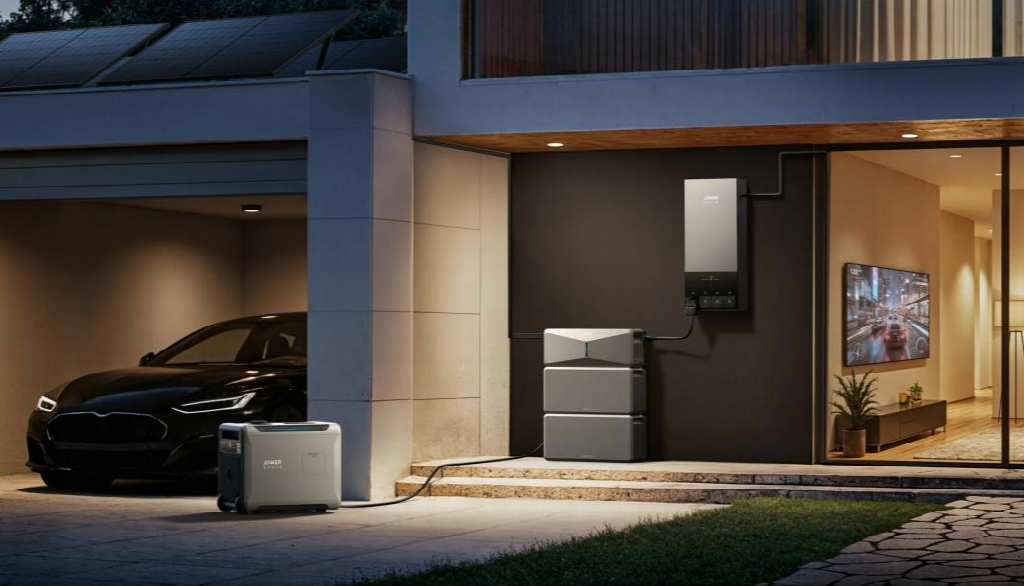
Battery size determines how long your solar backup can support essential loads without grid power. For short outages, a smaller battery may cover lighting, communications, and refrigeration. For multi-day emergencies, choose more storage so you can manage overnight use and cloudy conditions. This is where expandable systems can help. For example, Anker SOLIX E10 offers 6-90kWh battery expandability, 9-27kW solar input, 7.6-22.8kW rated output, 10-30kW turbo output, and a 4.5kW smart generator option, making it easier to build longer-lasting backup capacity around critical household needs.
Ways to Improve Solar Backup Performance at Home
Place Solar Panels for Better Energy Generation
Panel placement has a direct impact on how much backup energy your system can produce. Install panels where they receive the most unobstructed sunlight during peak daylight hours, and avoid shading from trees, vents, or nearby structures. Use the proper roof angle and orientation for your location to improve daily generation. Even partial shading can reduce output more than many homeowners expect. Keep panel surfaces reasonably clean so dust, leaves, or debris do not interfere with performance. Better solar production means faster battery charging and more dependable emergency power during extended outages.
Keep Batteries Ready With Proper Charging Habits
A solar backup system works best when the batteries stay healthy and consistently charged. Follow the manufacturer’s recommended charging settings and avoid letting batteries sit depleted for long periods. If your system supports reserve modes, keep a dedicated emergency charge level available instead of using full battery capacity every day. Check the app or monitoring display regularly to confirm battery status and system alerts. Store any portable components in suitable temperatures when possible, since extreme heat or cold can affect performance. Good charging habits improve reliability when an outage happens unexpectedly.
Use Smart Energy Management to Reduce Power Waste
Smart energy management helps your backup power last longer without sacrificing safety or comfort. During an outage, switch off nonessential loads and stagger appliance use to avoid unnecessary peaks in demand. Use efficient LED lighting, lower screen brightness, and charge devices during sunny hours when solar production is strongest. If your system includes load monitoring or app-based controls, use them to track consumption in real time and adjust quickly. Simple changes in usage habits can stretch battery runtime, support faster recharging, and keep critical devices powered through longer emergency events.
Building a Practical Solar Backup Setup for Home Use
Combine Solar Panels With Portable Power Stations
A practical home backup setup often starts with a simple combination of solar panels and a portable power station. This approach works well for homeowners exploring generator and solar power solutions to keep smaller essentials running, such as phones, lights, routers, laptops, and medical devices. It also gives you flexibility, since portable units can be moved where power is needed most. For homeowners who are not ready for a full home backup installation, this setup offers a manageable entry point. You can learn your actual outage needs, improve your emergency routine, and expand later if your household requires longer runtime or higher output.
Prioritize Critical Loads for Emergency Situations
Prioritizing critical loads keeps your backup system focused on what matters most. Assign top priority to refrigeration, medication storage, communication devices, medical equipment, and a limited number of lights or outlets. If you use a transfer switch or backup load panel, group these circuits clearly so they are easy to manage during a power failure. Leave high-consumption appliances off unless they are truly necessary. This method reduces strain on batteries and inverters, shortens recharge time, and prevents emergency power from being wasted on unnecessary loads when conditions are uncertain or restoration takes longer than expected.
Create a Simple Backup Routine for Daily Readiness
Daily readiness comes from a routine that is easy to follow. Check battery charge levels, confirm solar production is normal, and review any system notifications at regular intervals. Keep charging cables, flashlights, and essential adapters in one accessible place. Test your backup setup occasionally by running a short outage drill to confirm that priority devices power on as expected. Update your essential load list when new appliances or medical needs are added. A simple routine reduces confusion during real emergencies and helps ensure your solar backup system performs the way you planned.
Conclusion
Solar power backup works best when it is planned around real household needs, not rough estimates or emergency guesswork. Start by identifying essential devices, calculating outage energy use, and choosing enough battery capacity to cover critical loads for the time you need. Then improve performance with good panel placement, healthy charging habits, and smarter energy use during outages. Whether you begin with a portable setup or a larger expandable system, the goal is the same: reliable power for the devices that matter most. Preparation now makes emergency response faster, calmer, and more effective.