
 News Edition
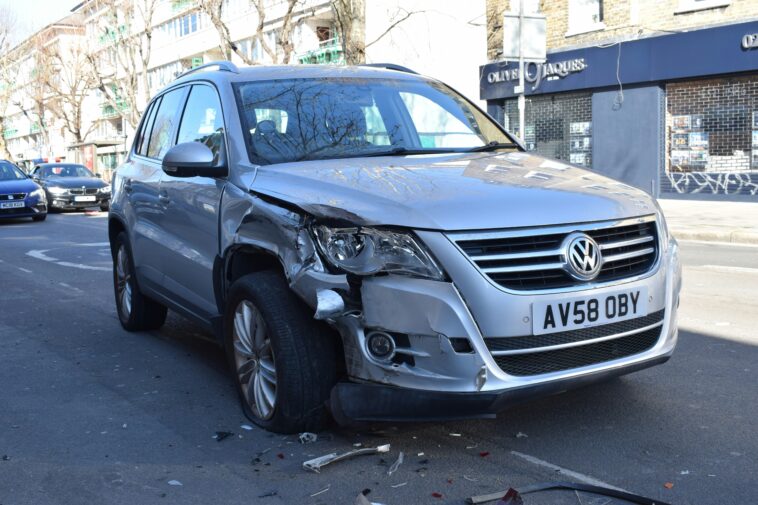
Getting from point A to point B has never been easier thanks to apps like Uber and Lyft. You tap your screen, a car shows up, and you are on your way. But what happens when that convenient ride takes a sudden, dangerous turn? Collisions involving rideshare vehicles happen every single day, and the aftermath is rarely straightforward. If you find yourself injured in one of these crashes, you will quickly realize that figuring out who pays for your medical bills is a massive headache. Consulting a reliable car accident attorney early in the process is often the smartest move, but it still helps to understand exactly what you are up against.
The Three Tiers of Coverage
Unlike a standard crash between two private drivers, rideshare accidents involve complex layers of corporate insurance. Companies like Uber and Lyft classify their drivers as independent contractors. Because of this, the company’s massive liability policy only kicks in under very specific circumstances. It all depends on what the driver was doing on their phone at the exact moment of the impact.
- App Off: If the driver is off the clock and the app is closed, their personal auto insurance is the only policy in play. The rideshare company bears zero responsibility for any damages or injuries.
- App On, Waiting for a Request: If the app is active but the driver hasn’t accepted a passenger yet, the rideshare company provides a reduced level of contingent liability coverage. This usually only covers damages if the driver’s personal insurance completely denies the claim.
- Ride Accepted or Passenger in Car: This is the highest tier of protection. From the second the driver accepts a trip until the moment the passenger steps out of the vehicle, the rideshare company’s commercial insurance policy is fully active, often covering up to $1 million in liability.
Figuring Out Who Is Actually to Blame
Just because you were riding in an Uber or Lyft doesn’t automatically mean the rideshare driver was at fault. Establishing liability works just like any other collision on the road. The core question is always: who acted negligently?
If your driver ran a red light or was texting while driving, they are clearly at fault. In that scenario, you would file a claim against them and, by extension, the rideshare company’s active commercial policy. However, if another motorist rear-ended your rideshare vehicle while you were stopped at a stop sign, that third-party driver is the negligent one. You would then pursue compensation from that at-fault driver’s insurance, rather than the rideshare company. Things get messy when multiple vehicles are involved or if drivers share the blame, which is why establishing the facts early is so important.
Essential Steps to Protect Yourself
The moments right after a collision are chaotic, but your actions directly impact your physical safety and any future claims you might need to make.
- Prioritize Medical Attention: Your health is the number one priority. Adrenaline can easily mask severe pain, so getting checked out by paramedics is crucial.
- Call the Police: You need an official accident report. Officers will document the scene, take statements, and sometimes issue citations that help prove fault down the line.
- Report It to the App: Report the crash through the rideshare app immediately to create a digital paper trail proving the accident occurred during an active ride.
- Document Everything: Take photos of the damage, grab the license plate numbers of all involved vehicles, and ask for the contact info of any bystanders who saw the crash happen.
The Battle with Insurance Adjusters
Dealing with insurance companies is easily the most frustrating part of a rideshare crash. You might find yourself juggling calls from the rideshare company’s insurer, your driver’s personal insurer, the other driver’s insurer, and even your own health insurance provider.
They might pressure you into accepting a lowball settlement before you even know the full extent of your injuries. Understanding how these corporate policies work is vital to knowing what insurance policies are responsible. Knowing the baseline rules prevents you from being pushed around by adjusters looking out for their bottom line.
Taking Back Control
When corporate lawyers and multiple insurance adjusters start pointing fingers at each other, the victims are usually the ones left waiting for the compensation they desperately need to cover lost wages and medical debt. By documenting the scene, understanding the app’s coverage tiers, and refusing to accept the very first settlement offer thrown your way, you put yourself in a much stronger position. Treat your recovery seriously, protect your legal rights, and focus on healing so you can get back to your normal life as quickly as possible.